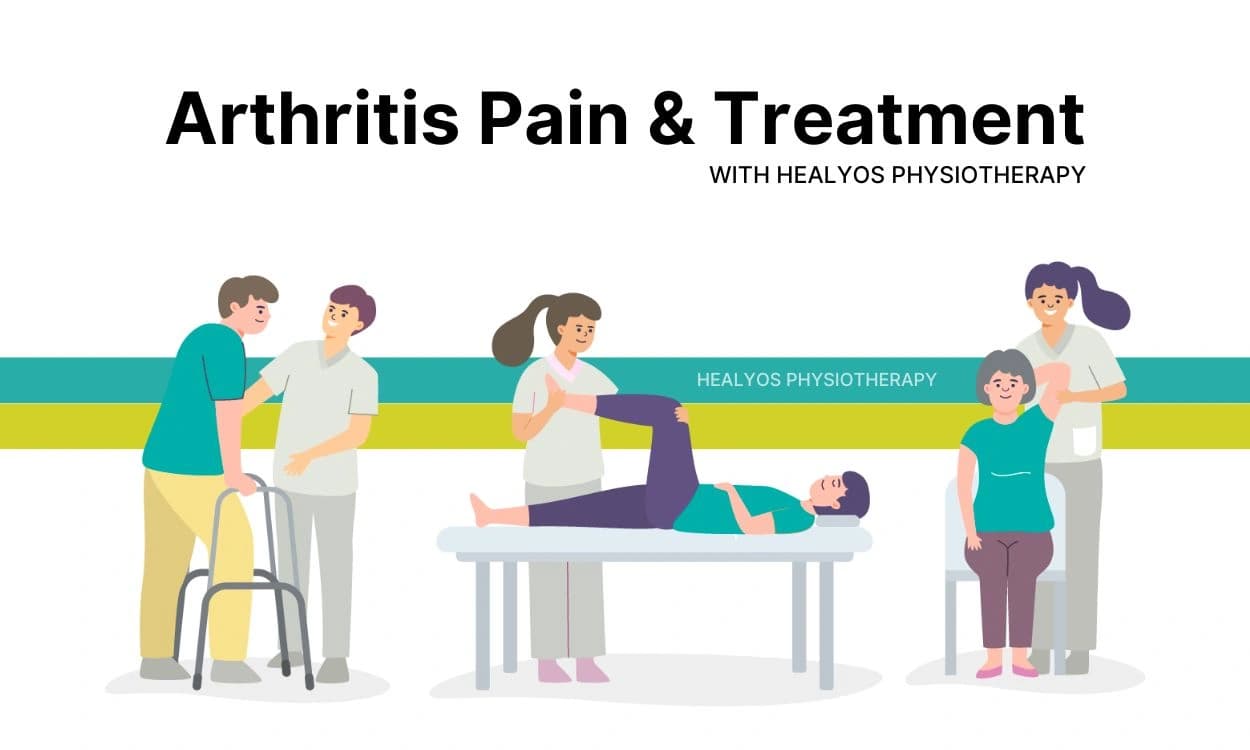
Physiotherapy Treatment for Spinal Muscular Atrophy (SMA): Supporting Your Journey to Better Mobility
Begin effective care for SMA today with specialized physiotherapy solutions designed to improve your quality of life.
Spinal Muscular Atrophy (SMA)
Support Every Move. Build Strength And Comfort, Step By Step.
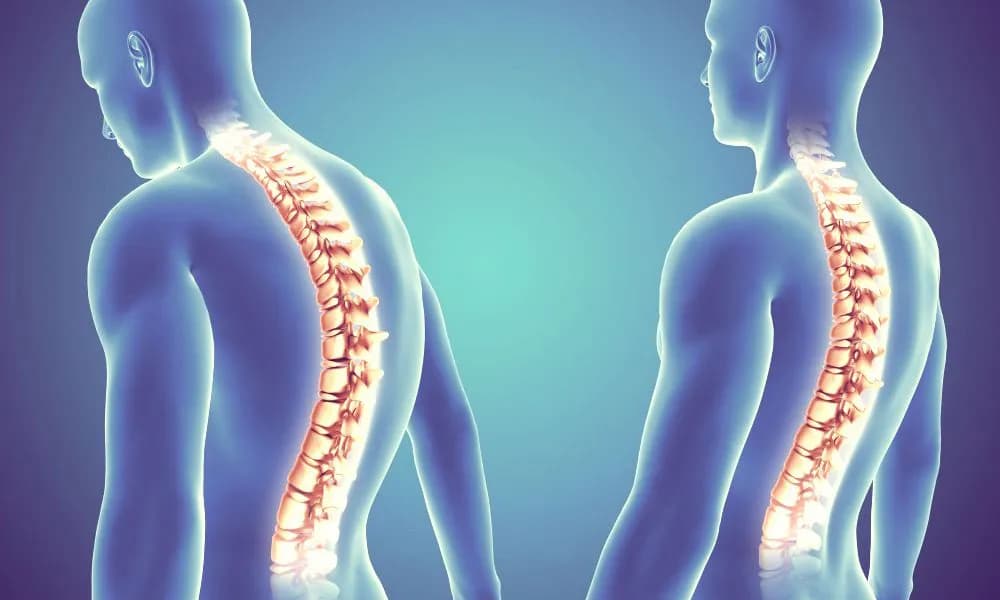
Spinal muscular atrophy causes progressive muscle weakness that can affect movement, posture and breathing. Alongside medical care, specialised physiotherapy helps manage weakness, protect posture and joints, support breathing and make daily life more comfortable, with a plan built around the person's type of SMA and family goals.
Does This Sound Familiar?
These are common challenges in SMA where physiotherapy-led care can help. If you notice one or more of them, a physiotherapy assessment can help.
💪
Muscle Weakness
Weakness in the legs, arms or trunk that makes movement harder
🪛
Posture And Stiffness
Slouching, a curving spine or tight joints that limit movement
💨
Weak Breathing Or Cough
A weak cough, shallow breathing or frequent chest infections
🔄
Help Needed Daily
Support needed with sitting, standing, transfers or self-care
From Weakness To Better Function In 3 Simple Steps
01
Assess
Our physiotherapist checks the type of SMA, muscle strength, posture, joint movement, breathing and daily function, and sets clear goals with you and your family.
02
Release
Gentle stretching, positioning and carefully graded exercises help ease tightness, support mobility and make movement more comfortable.
03
Prevent
Core and posture support, breathing and cough techniques, a home programme and caregiver training help prevent complications and maintain progress.
💡 4 Small Habits To Support Daily Life Today
Do gentle stretches and movements as taught, to keep joints supple and reduce tightness.
Support good sitting posture with a well-fitted chair, cushions or supports as advised.
Avoid overexertion by pacing activity and planning rest, so muscles are not overtired.
Practise breathing and cough techniques as taught, and act early on any chest symptoms.
Note: Seek urgent medical help for difficulty breathing, blue or grey lips, a fever with cough or chest congestion, choking or repeated chest infections, or a sudden drop in strength. Call emergency services for severe symptoms. Physiotherapy supports medical care and does not replace it.