
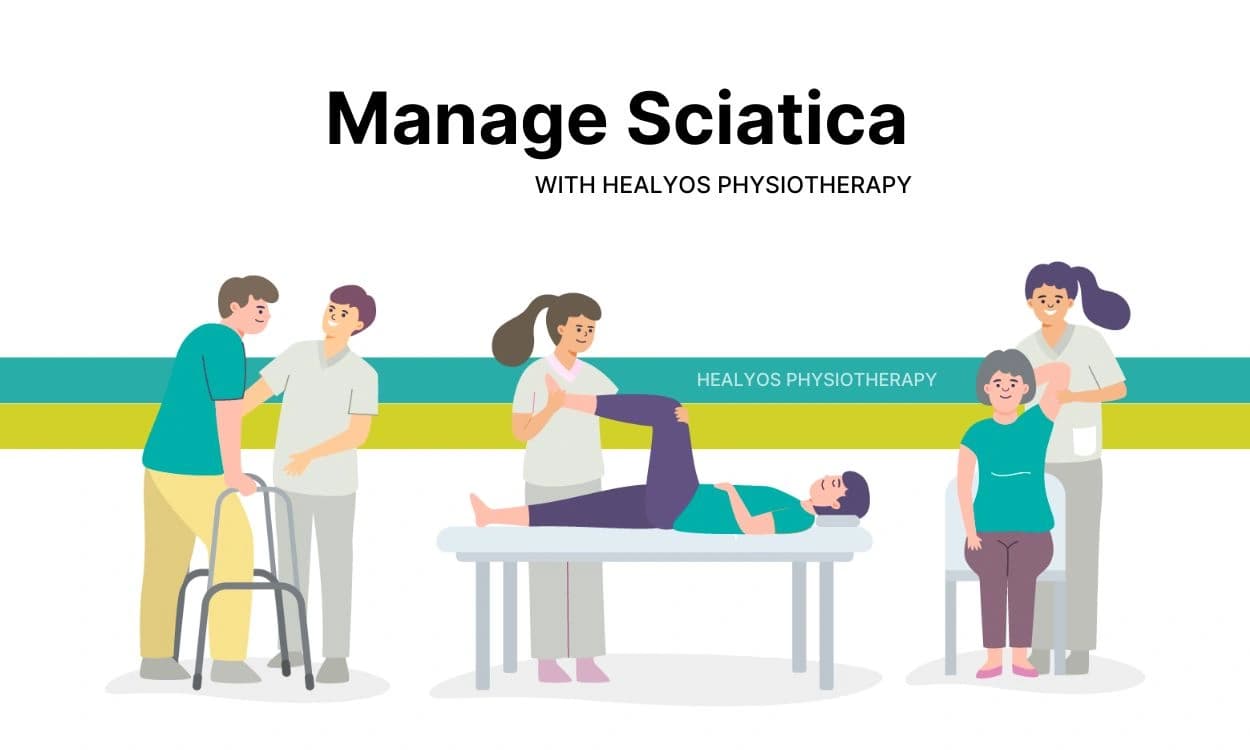
Sciatica, a term often misunderstood, refers to pain radiating from the lower back down the leg. The impact of sciatica can be debilitating, affecting one’s daily life. This comprehensive guide aims to provide effective solutions to relieve pain and promote healing, with a primary focus on the vital role of physiotherapy. We will explore the causes, symptoms, and non-surgical treatments for sciatica, empowering you with the knowledge to take control of your health.
Sciatica primarily results from a herniated lumbar disc compressing the nerve root. Less common culprits include spondylolisthesis, lumbar stenosis, foraminal stenosis, and even malignancy. The common thread among these causes is the compression of the lumbar nerve root, often leading to inflammation.
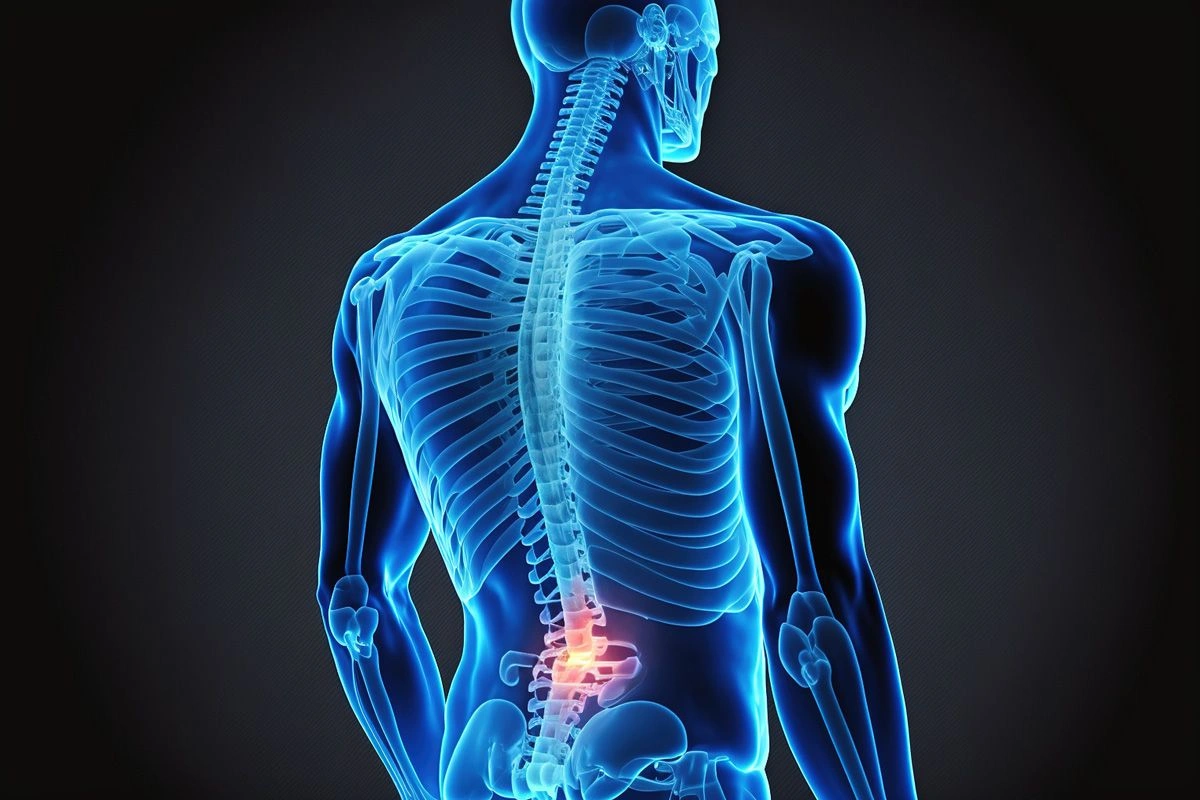
Diagnosing sciatica isn’t a one-symptom-fits-all endeavor. It’s a puzzle that relies on gathering multiple pieces of evidence, including:
While diagnostic imaging can be useful, it isn’t necessary in every case. The use of imaging isn’t always recommended by clinical guidelines, as many imaging results don’t necessarily correlate with a patient’s symptoms. However, when imaging is conducted, it should be evaluated in the context of the patient’s symptoms to avoid unnecessary interventions.
Predicting the prognosis of sciatica isn’t straightforward. While most patients experience relief over time, some factors can complicate recovery, and individuals may recover differently. These variables make it challenging to offer a one-size-fits-all prognosis.
The initial approach to sciatica is non-surgical management, with physiotherapy playing a crucial role:
Physiotherapy, often the cornerstone of sciatica treatment, involves specialized exercises and techniques. The benefits of physiotherapy include:
Spinal manual therapy, a component of physiotherapy, can be offered alongside usual treatments, but its effectiveness remains a topic of debate. While it’s commonly used, its results vary.
Patients may inquire about pain medication. A systematic review shows that, in most cases, medication isn’t substantially more effective than a placebo. Corticosteroids demonstrated short-term pain improvement in acute sciatica, but the quality of evidence varies.
Sciatica can often be managed without surgery, with physiotherapy playing a central role in promoting healing and relief. This comprehensive guide has equipped you with the knowledge to understand its causes, diagnose it accurately, and explore non-surgical treatment options, with an emphasis on the essential role of physiotherapy. By following this advice, you can take control of your sciatica and embark on a path to relief and healing, guided by expert physiotherapists.