
This Blog will help you to understand Bells palsy and its treatment. Bell’s palsy, a condition characterized by sudden and often one-sided facial muscle weakness or paralysis, can be physically and emotionally distressing. In this article, we will delve into the symptoms of Bell’s palsy and its treatment, explore its potential causes and discuss the role of physiotherapy in its treatment.
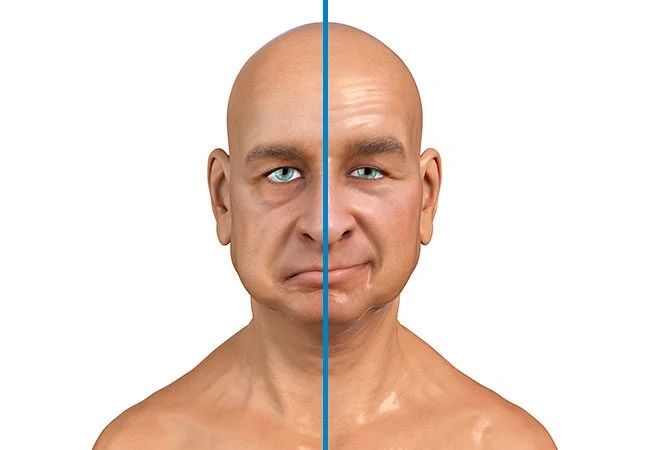
Bell’s palsy, also known as “acute facial palsy of unknown cause,” is a relatively common cranial neuropathy that leads to facial muscle paresis or complete paralysis. This condition typically occurs suddenly and may progress over 48 hours, leaving individuals with limited or no control over their facial muscles. The hallmark of Bell’s palsy is its unilateral presentation, affecting only one side of the face.
This condition results from dysfunction of the 7th cranial nerve, also known as the facial nerve. It can be attributed to various factors, such as trauma or inflammation of the nerve or its branches, particularly within the bony canal where the nerve travels. While both genders can be affected, the incidence of Bell’s palsy tends to rise with increasing age.
Several risk factors have been associated with Bells palsy. These include diabetes, hypertension, pregnancy, obesity, and upper respiratory tract infections. Although these factors may increase the risk, Bell’s palsy is primarily considered idiopathic, meaning its exact cause remains unknown. Therefore, diagnosis is typically achieved through the exclusion of other potential causes.
The symptoms of Bell’s palsy can vary in severity and presentation. Some common signs and symptoms include:
It’s essential to note that Bell’s palsy primarily affects the lower motor neurons. As a result, the weakness is more pronounced in the muscles of the lower face compared to the upper face. The forehead muscles, which receive input from both brain hemispheres, are often less affected, leading to the inability to close one eye fully while smiling (termed Bell’s phenomenon).
Physiotherapy plays a crucial role in the treatment and management of Bells palsy. Here are some of the methods employed in physiotherapy for individuals with Bell’s palsy:
It’s important to note that the effectiveness of physiotherapy in Bell’s palsy treatment may vary from person to person. The extent of recovery often depends on the severity of the condition and the individual’s response to treatment. However, early intervention and dedicated physiotherapy can significantly improve outcomes and help individuals regain control of their facial muscles.
Bells palsy can be a challenging condition to experience, but with the right care and intervention, individuals can make significant progress in their recovery. Physiotherapy, with its tailored exercises and techniques, plays a vital role in helping individuals regain control of their facial muscles and improve their overall quality of life. If you or someone you know is dealing with Bells palsy, seeking physiotherapy treatment from Healyos is a proactive step towards recovery and improved well-being.