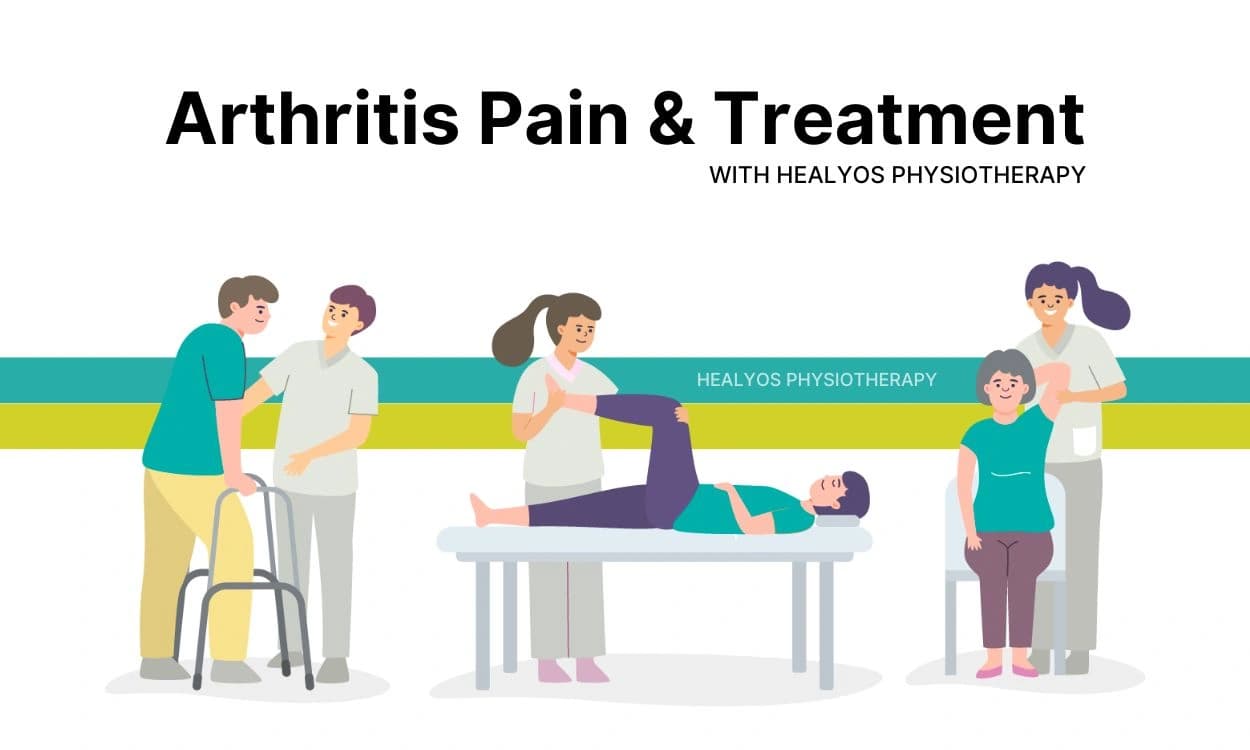
Physiotherapy for Monoplegia and Quadriplegia: Enhance Mobility with Expert Care
Discover effective monoplegia physiotherapy treatment and quadriplegia treatment designed to improve your mobility and independence. Begin your journey with Healyos today.
Monoplegia and Quadriplegia
Every Gain Counts. Build Independence Step By Step.
Monoplegia affects one limb, while quadriplegia affects all four limbs and the trunk. Structured physiotherapy helps many people improve strength, control, comfort and independence, step by step, with a plan built around their own goals and family support.
Does This Sound Familiar?
These are common challenges where physiotherapy-led rehabilitation can help. If you notice one or more of them, a physiotherapy assessment can help.
⚡
Limited Limb Movement
Weakness or loss of movement in one limb or all four limbs
🚫
Reduced Sensation
Numbness or reduced feeling in the affected area
🪛
Stiffness And Spasms
Tight muscles, spasms or contractures that make movement harder
🔄
Help Needed Daily
Support needed with sitting, transfers, mobility or self-care
From Dependence To Independence In 3 Simple Steps
01
Assess
Our physiotherapist checks strength, sensation, muscle tone, trunk control and daily function to set clear goals with you and your family.
02
Release
Guided movement, positioning, stretching and task-based exercises help retrain movement and ease stiffness.
03
Prevent
Strengthening, sitting balance, transfer and mobility training, plus a home routine and caregiver training, help you keep making progress.
💡 4 Small Habits To Support Daily Care
Do gentle range-of-motion exercises as taught, to keep joints supple and reduce stiffness.
Change position often to protect the skin from pressure sores.
Make the home accessible with clear pathways, ramps and support rails.
Practise daily tasks such as sitting, transfers and reaching with supervision.
Note: Seek urgent medical help if the pain follows a fall or injury, there is sudden new weakness, a pounding headache with high blood pressure, breathing difficulty, fever, or a red, broken or blistered patch of skin. Call emergency services for severe symptoms.