 +919325609388

 +919325609388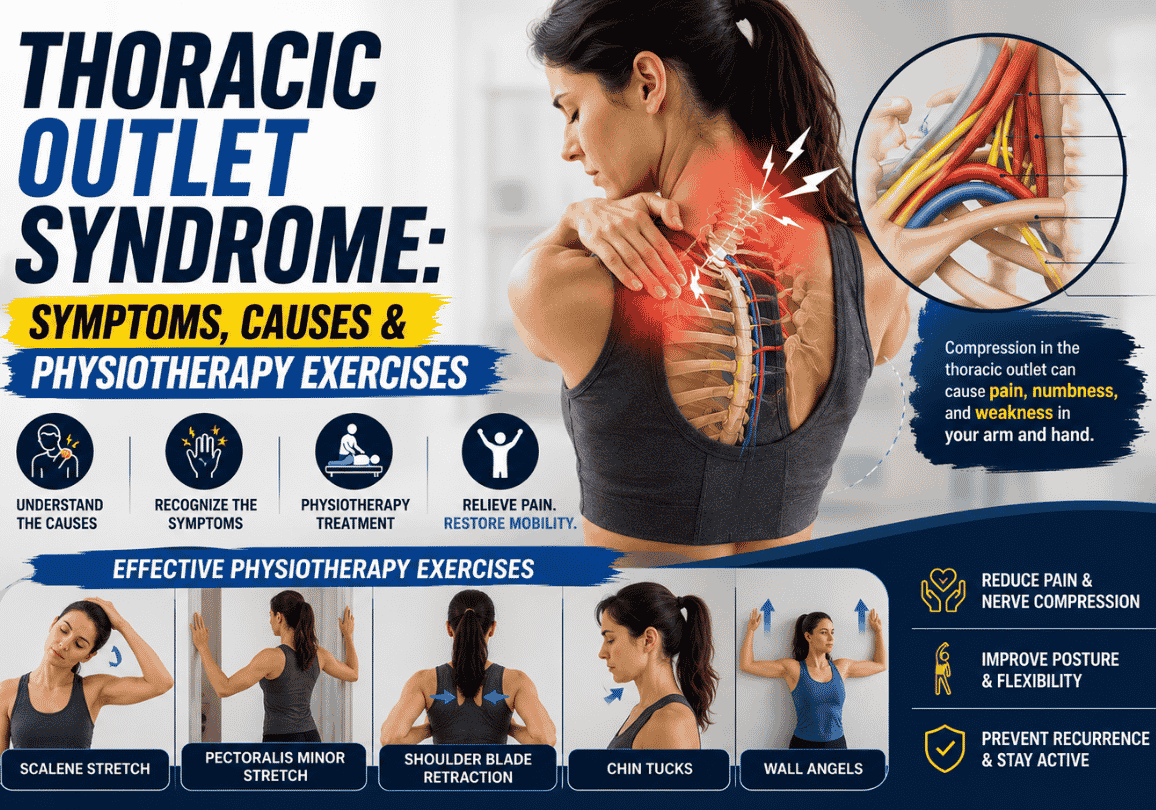
Thoracic Outlet Syndrome: Symptoms, Causes, and Physiotherapy Exercises
Have you been experiencing unexplained numbness in your fingers, persistent neck pain, or a dull ache radiating down your arm – especially after long hours at a desk? You might be dealing with Thoracic Outlet Syndrome (TOS), a condition that often goes undiagnosed for months, if not years. At Healyos, we frequently work with patients who have been managing these symptoms without truly understanding the root cause. This blog breaks down everything you need to know – what TOS is, what causes it, how to recognise it, and the physiotherapy exercises that can help you recover.
What Is Thoracic Outlet Syndrome?
The thoracic outlet is the narrow space between your collarbone (clavicle) and first rib. A bundle of nerves, arteries, and veins passes through this space from your neck into your arm. When any of these structures get compressed or irritated within this passage, the resulting condition is called Thoracic Outlet Syndrome.
TOS is broadly classified into three types:
- Neurogenic TOS — the most common type, where the brachial plexus (a network of nerves) is compressed. It accounts for over 90% of all TOS cases.
- Venous TOS — compression of the subclavian vein, often leading to arm swelling and discolouration.
- Arterial TOS — the rarest form, involving compression of the subclavian artery, which can cause cold hands and reduced pulse in the arm.
Understanding which type you have is key to getting the right treatment. Our orthopaedic physiotherapy specialists at Healyos conduct a thorough assessment to determine the nature and severity of the compression before recommending a treatment plan.
Common Causes of Thoracic Outlet Syndrome
TOS rarely has a single cause. Most cases result from a combination of structural, postural, and lifestyle factors. Here are the most common ones:
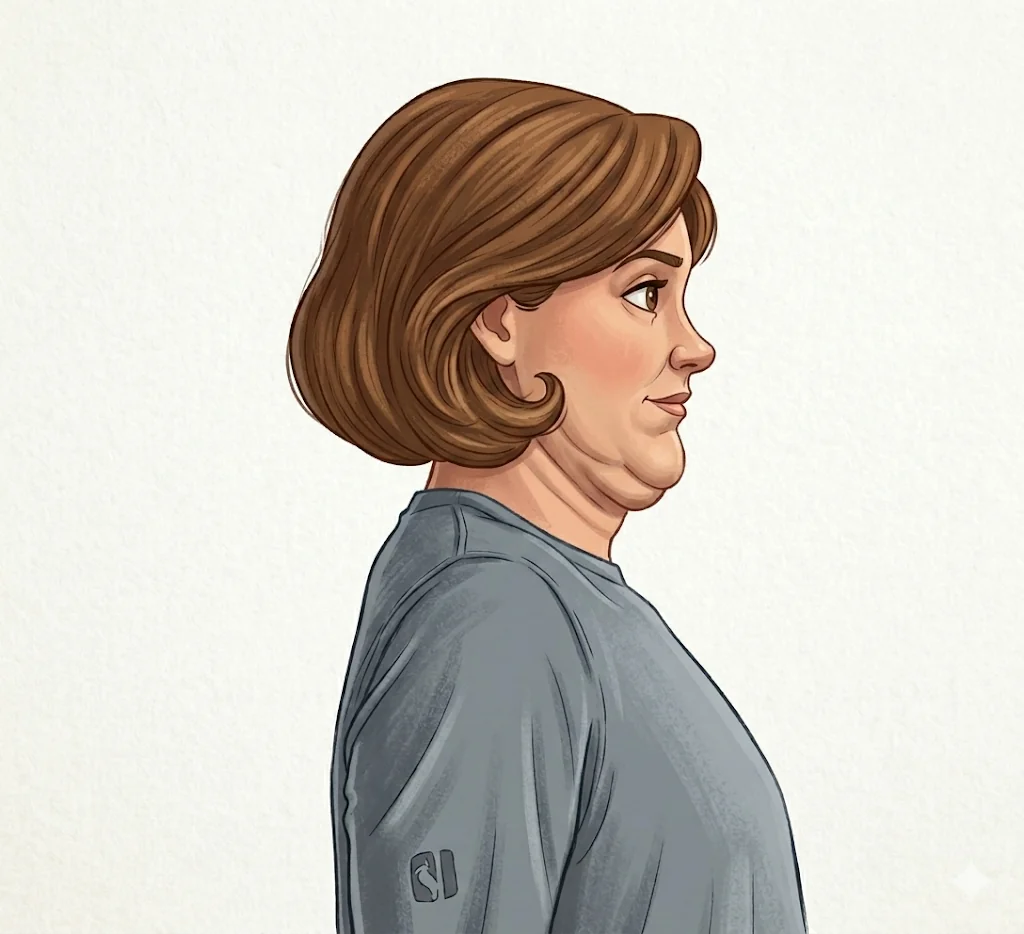
Poor Posture and Sedentary Lifestyle: Prolonged sitting with rounded shoulders or a forward head posture narrows the thoracic outlet. This is increasingly common among IT professionals, students, and remote workers who spend extended hours at computers.
Repetitive Overhead Activities: Athletes such as swimmers, baseball players, and volleyball players – along with workers who repeatedly lift their arms above shoulder height are at a higher risk of developing TOS due to overuse of the shoulder and neck muscles.
Anatomical Abnormalities: Some individuals are born with an extra rib (cervical rib) or an unusually tight fibrous band connecting the spine to the rib. These structural anomalies can compress the nerves or blood vessels passing through the thoracic outlet.
Trauma or Injury: A car accident, whiplash injury, or a direct blow to the shoulder or neck can damage the surrounding structures and trigger TOS symptoms over time.
Tight or Enlarged Muscles: Hypertrophy of the scalene muscles (muscles on either side of the neck) or the pectoralis minor muscle can reduce the space in the thoracic outlet and lead to nerve compression.
Recognising the Symptoms of Thoracic Outlet Syndrome
One of the challenges with TOS is that its symptoms can mimic several other conditions – including carpal tunnel syndrome, cervical disc herniation, and rotator cuff injuries. A proper diagnosis by a trained physiotherapist or physician is therefore essential.
That said, the most commonly reported Thoracic Outlet Syndrome symptoms include:
- Numbness or tingling in the fingers, hand, or arm (often along the ring and little finger)
- Aching pain in the neck, shoulder, or arm
- Weakness in the hand or grip
- Arm fatigue during overhead activities
- Swelling or discolouration of the arm (in venous TOS)
- Cold or pale fingers and a weak pulse in the wrist (in arterial TOS)
Symptoms often worsen when carrying heavy bags, reaching overhead, or sleeping with the arm elevated. If any of these sound familiar, it is worth seeking a professional evaluation. You can explore the full range of conditions we treat to understand where TOS fits in the spectrum of musculoskeletal care.
Physiotherapy for Thoracic Outlet Syndrome: What to Expect
Physiotherapy is the first-line treatment for most cases of Thoracic Outlet Syndrome, particularly the neurogenic type. The goals of physiotherapy are to reduce nerve and vascular compression, correct postural imbalances, strengthen weakened muscles, and restore full range of motion.
A structured physiotherapy programme typically involves a combination of manual therapy, postural correction, and a targeted home exercise plan.
Physiotherapy Exercises for Thoracic Outlet Syndrome
The following exercises are commonly prescribed for TOS rehabilitation. Always consult a qualified physiotherapist before beginning these exercises, as incorrect technique can aggravate symptoms.
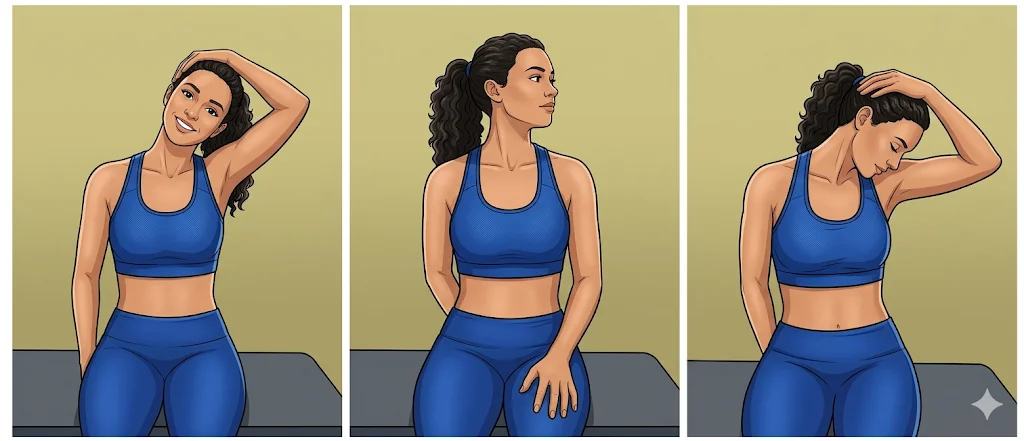
1. Scalene Stretch
Purpose: Releases tightness in the neck muscles that compress the thoracic outlet.
Sit upright in a chair. Tilt your head to the right, bringing your ear toward your right shoulder. Place your right hand gently on top of your head for a light additional stretch. Hold for 20–30 seconds. Repeat on the other side. Perform 3 sets on each side.
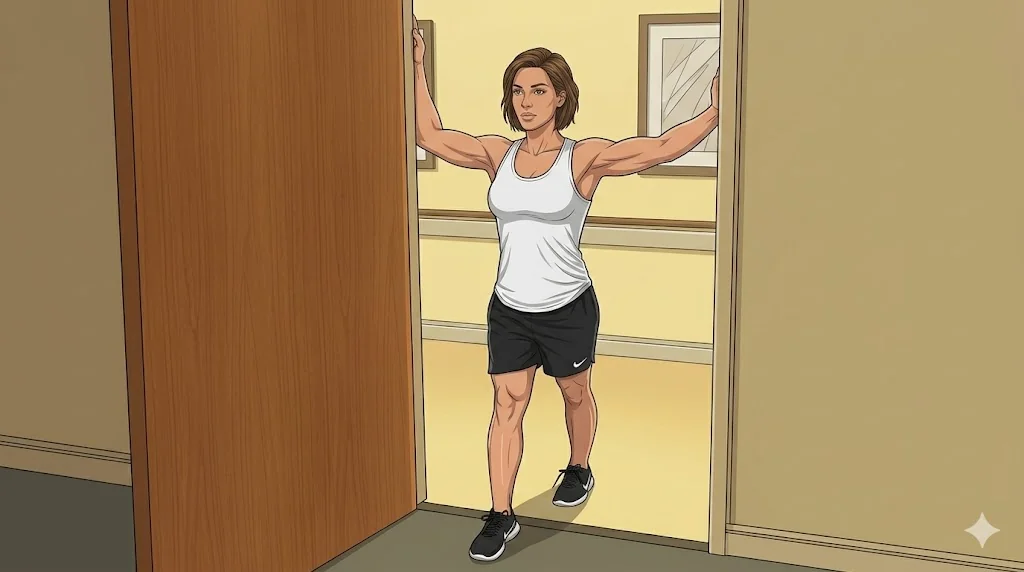
2. Pectoralis Minor Stretch (Doorway Stretch)
Purpose: Opens up the front of the chest and reduces compression on the brachial plexus.
Stand in a doorway and place both forearms on the door frame at a 90-degree angle. Step one foot forward and gently lean into the doorway until you feel a stretch across your chest and the front of your shoulders. Hold for 30 seconds and repeat 3 times.
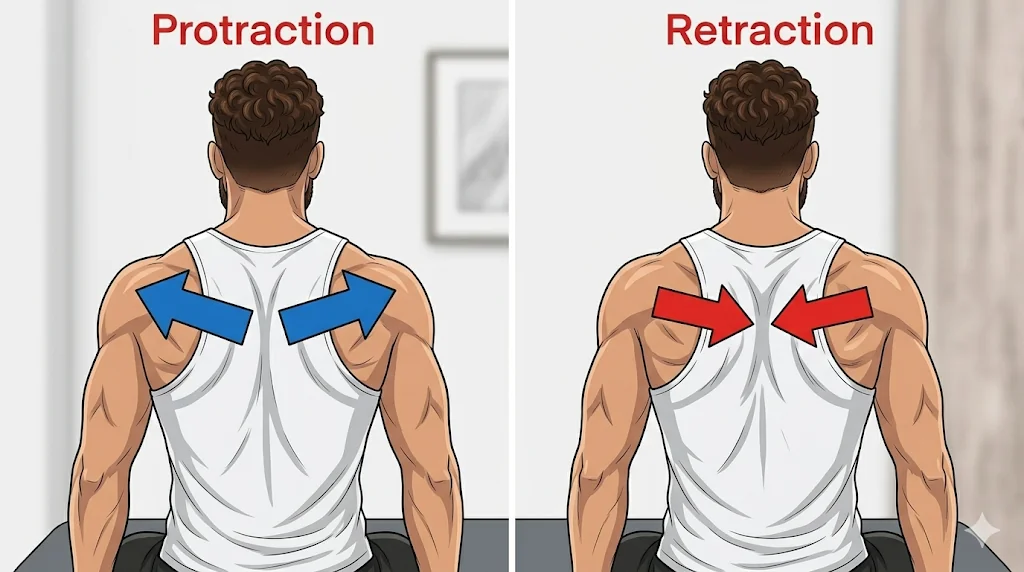
3. Shoulder Blade Retraction (Scapular Squeeze)
Purpose: Strengthens the mid-back muscles and promotes better shoulder posture.
Sit or stand upright. Pull your shoulder blades together as if trying to hold a pencil between them. Hold for 5 seconds, then release. Perform 3 sets of 15 repetitions.
4. Chin Tucks
Purpose: Corrects forward head posture, one of the primary contributors to TOS.
Sit tall with your spine upright. Without tilting your head, gently glide your chin backward, creating a subtle double chin. Hold for 5 seconds and release. Perform 3 sets of 10 repetitions throughout the day.
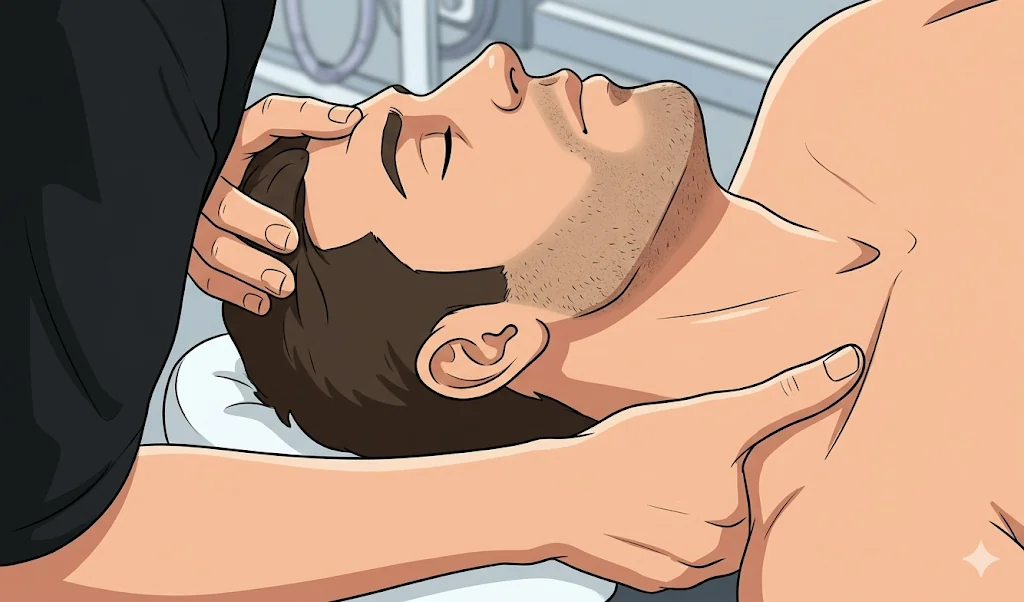
5. First Rib Mobilisation (Assisted)
Purpose: Releases tension around the first rib to decompress the thoracic outlet.
This exercise is ideally performed under the guidance of a physiotherapist initially. Place two fingers just above your collarbone on the side affected. As you exhale deeply, apply gentle downward pressure. Perform 5–8 slow breaths.
6. Neural Flossing (Brachial Plexus Glide)
Purpose: Improves the mobility of compressed nerves through gentle gliding movements.
Stand with your arm at your side. Tilt your head away from the affected side while simultaneously sliding your hand downward. Then tilt your head toward the affected side while flexing your wrist. Move slowly and rhythmically. Perform 10–15 repetitions per session.
When to Seek Professional Help
While these exercises can be effective as part of a home programme, they should always be supervised and progressed by a qualified physiotherapist especially in the early stages. If your symptoms include severe weakness, loss of grip strength, or vascular changes such as arm swelling or colour changes, seek medical attention promptly.
At Healyos, our experienced physiotherapists provide home visit physiotherapy sessions, making expert care accessible wherever you are. Our sports physiotherapy and orthopaedic physiotherapy teams regularly manage complex musculoskeletal conditions including TOS with evidence-based protocols.
Key Takeaways
- Thoracic Outlet Syndrome is a condition caused by compression of nerves or blood vessels in the space between the collarbone and first rib.
- The most common type is neurogenic TOS, characterised by numbness, tingling, and arm pain.
- Poor posture, repetitive overhead activity, anatomical anomalies, and trauma are the primary causes.
- Symptoms can easily be confused with carpal tunnel syndrome or cervical disc issues — professional diagnosis is essential.
- Physiotherapy is the cornerstone of TOS treatment, focusing on stretching, strengthening, postural correction, and neural mobilisation.
- Exercises such as scalene stretches, pectoralis minor stretches, chin tucks, and scapular retractions form a solid foundation for recovery.
- Early intervention leads to better outcomes — do not delay seeking professional advice if symptoms persist.
Frequently Asked Questions (FAQs)
Q1. Can Thoracic Outlet Syndrome go away on its own?
Mild cases of neurogenic TOS may improve with postural corrections and lifestyle modifications. However, most cases benefit significantly from structured physiotherapy. Without addressing the underlying muscle imbalances and postural issues, symptoms tend to persist or worsen over time.
Q2. How long does physiotherapy take to show results for TOS?
Most patients begin to notice improvement within 4–6 weeks of consistent physiotherapy. Full recovery, depending on the severity of the condition, may take anywhere from 3 to 6 months. Adherence to the home exercise programme plays a major role in the timeline.
Q3. Is surgery required for Thoracic Outlet Syndrome?
Surgery is considered only in severe or refractory cases, particularly in arterial or venous TOS, or when neurogenic symptoms do not respond to conservative management. The vast majority of patients recover well with physiotherapy alone.
Q4. Which doctor should I consult for TOS?
You can begin with an orthopaedic surgeon, neurologist, or a musculoskeletal physiotherapist. A thorough physical examination combined with imaging (such as an MRI or Doppler ultrasound) helps confirm the diagnosis.
Q5. Can TOS be caused by working at a computer all day?
Yes. Prolonged computer use with poor posture — such as rounded shoulders and a forward head position is one of the most common contributors to TOS. Regular postural breaks, ergonomic adjustments, and targeted exercises can significantly reduce the risk.
Q6. Are there any exercises I should avoid with TOS?
Heavy overhead pressing movements, carrying backpacks on one shoulder, and exercises that involve prolonged arm elevation should be avoided or modified during active symptom flares. Your physiotherapist will guide you on safe progressions based on your specific presentation.

Leave a Reply