 +919325609388

 +919325609388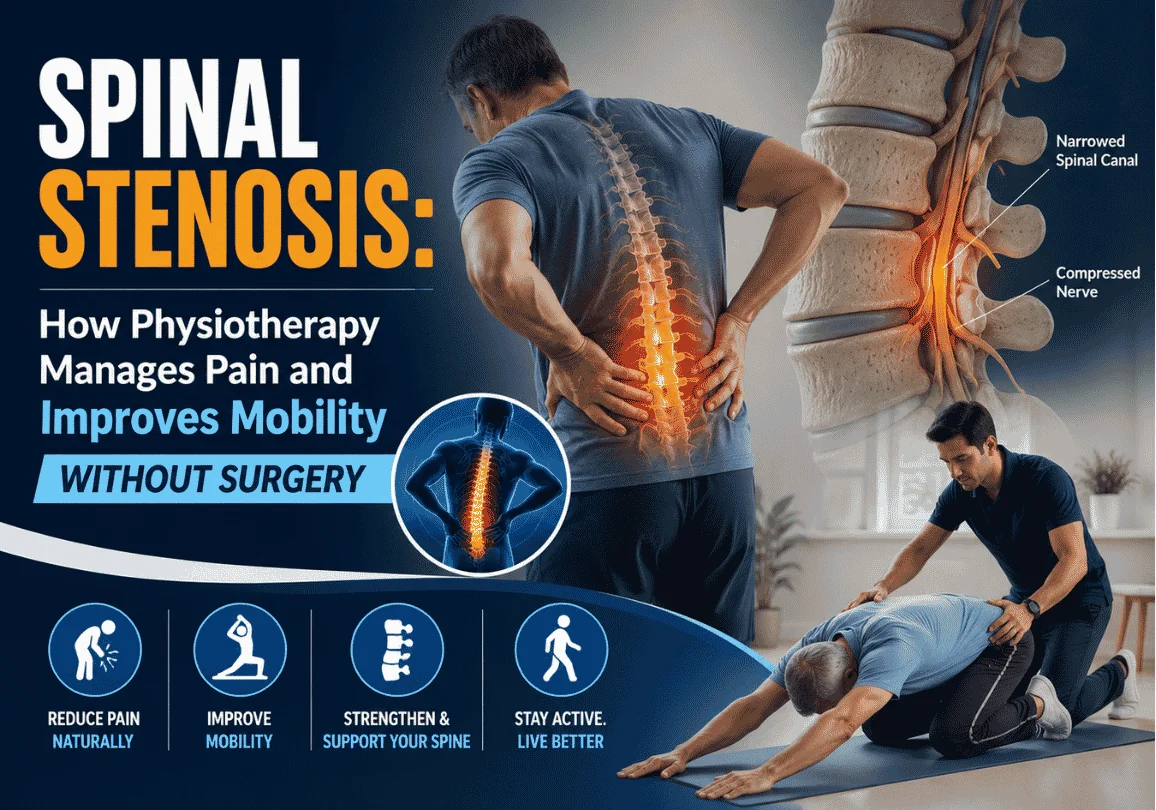
Spinal Stenosis: How Physiotherapy Manages Pain and Improves Mobility Without Surgery
Spinal stenosis is a common yet often misunderstood condition, particularly among adults over 50. As the spinal canal narrows, it can compress nerves, leading to significant pain, reduced mobility, and a lower quality of life. Many patients fear that surgery is their only option. However, for a large number of individuals, physiotherapy for spinal stenosis offers an effective, evidence-based approach to manage symptoms and restore function without invasive procedures.
At Healyos, we specialize in personalized orthopaedic physiotherapy that focuses on non-surgical spinal stenosis treatment. Through targeted exercises, manual therapy, posture education, and home-based care, patients can experience meaningful pain relief and improved daily mobility. This blog explores how physiotherapy addresses spinal stenosis, the specific techniques involved, and why it serves as a first-line treatment for many.
Understanding Spinal Stenosis
Spinal stenosis occurs when the spaces within the spine narrow, putting pressure on the spinal cord or nerve roots. It most commonly affects the lumbar spine (lower back) but can also occur in the cervical spine (neck).
The primary cause is age-related degenerative changes. These include osteoarthritis, bone spurs (osteophytes), thickened ligaments, herniated discs, and spondylolisthesis. Other contributing factors include previous spinal injuries, scoliosis, or congenital narrowing of the spinal canal.
Lumbar spinal stenosis often produces neurogenic claudication—pain, cramping, or heaviness in the legs that worsens with standing or walking and improves when sitting or leaning forward. Cervical stenosis may cause neck pain, arm weakness, numbness, or balance issues. In severe cases, it can affect bladder or bowel function, requiring urgent medical attention.
Symptoms typically develop gradually. Many people live with mild spinal stenosis for years before discomfort interferes with daily activities such as walking, shopping, or climbing stairs.
Why Choose Non-Surgical Treatment First?
Surgery, such as laminectomy or spinal fusion, can be effective for severe cases but carries risks including infection, anesthesia complications, and lengthy recovery. Clinical evidence shows that many patients achieve substantial improvement through conservative care, including physiotherapy, exercise, and lifestyle modifications.
Physiotherapy does not widen the spinal canal, but it reduces nerve irritation, strengthens supporting muscles, improves flexibility, and teaches movement patterns that minimize symptoms. This approach helps patients stay active, avoid surgery, and maintain independence longer.
How Physiotherapy Manages Spinal Stenosis
Effective spinal stenosis physiotherapy follows a structured, individualized program. A thorough assessment identifies the degree of stenosis, specific impairments, pain triggers, and functional limitations.
1. Pain Management and Manual Therapy
Early sessions often focus on reducing pain and inflammation. Techniques include soft tissue mobilization, gentle joint mobilizations, and modalities such as heat or ice. Manual therapy targeting tight hip flexors, piriformis, and paraspinal muscles can relieve secondary tension that exacerbates symptoms.
2. Targeted Spinal Stenosis Exercises
Exercise forms the cornerstone of treatment. For lumbar stenosis, flexion-based movements (that gently round the lower back) often provide relief because they increase space in the spinal canal. Common safe exercises include:
- Pelvic Tilts: Lying on your back, gently rock your pelvis to flatten your lower back against the floor. This activates deep core muscles and improves lumbar control.
- Knee-to-Chest Stretch: Gently pulling one or both knees toward the chest stretches the lower back and glutes while promoting flexion.
- Cat-Camel Stretch (performed cautiously): On all fours, alternate between gentle arching and rounding of the back to improve mobility without forcing extension.
- Core Strengthening (Bird-Dog or Dead Bug progressions): These build stability in the deep abdominal and spinal muscles that support the spine. Modified planks and bridges also help when performed with proper form.
- Hip Strengthening and Mobility: Exercises such as clamshells, side-lying leg lifts, and standing hip extensions address weakness in the glutes and hips that contributes to poor posture and gait.
Aerobic conditioning, such as stationary cycling or walking with a flexed posture (using a shopping cart or walker if needed), improves endurance without excessive spinal extension. Your physiotherapist will progress these exercises gradually to match your tolerance.
3. Posture, Ergonomics, and Education
Patients learn how to maintain a neutral spine during daily activities, modify workstations, and use proper body mechanics for lifting or bending. Education on activity pacing helps prevent symptom flare-ups.
4. Gait Training and Balance Work
Many individuals with lumbar stenosis develop an antalgic or cautious gait. Physiotherapy includes balance exercises and gait retraining to improve confidence and reduce fall risk, which is especially valuable for older adults.
Consistent practice of these techniques, combined with professional guidance, leads to reduced pain, better walking tolerance, and improved function for most patients.
Healyos Advantage: Expert Care at Home
For patients with spinal stenosis, traveling to a clinic can be challenging. Healyos offers physiotherapy at home in Pune, bringing expert care directly to you. Our experienced orthopaedic physiotherapists create customized programs that address your unique symptoms, lifestyle, and goals. Whether you need help with lumbar spinal stenosis or cervical issues, treatment is convenient, one-on-one, and focused on long-term self-management.
You can also explore our comprehensive guide to lower back pain, which discusses related conditions such as spinal stenosis.
Complementary Lifestyle Strategies
Physiotherapy works best alongside healthy habits:
- Maintain a healthy weight to reduce spinal load.
- Practice good posture while sitting and standing.
- Incorporate regular low-impact movement.
- Use supportive footwear and consider assistive devices temporarily if recommended.
Key Takeaways
- Spinal stenosis is a degenerative condition that causes pain and mobility limitations, but surgery is not inevitable for most patients.
- Physiotherapy for spinal stenosis effectively reduces pain, improves strength, flexibility, and walking tolerance through targeted exercises and education.
- Flexion-based movements, core stabilization, hip strengthening, and posture training form the foundation of successful non-surgical management.
- Early intervention with a qualified physiotherapist yields the best outcomes and helps many patients avoid or delay surgery.
- Home-based physiotherapy offers convenience and personalized care, particularly for those with limited mobility.
- Consistency in exercise and lifestyle changes is essential for long-term symptom control and improved quality of life.
Frequently Asked Questions (FAQs)
1. Can physiotherapy cure spinal stenosis?
Physiotherapy cannot reverse the structural narrowing of the spinal canal. However, it effectively manages symptoms, reduces pain, and improves function for the majority of patients. Many experience significant relief and better mobility without surgery.
2. What are the best exercises for spinal stenosis?
The best exercises usually include pelvic tilts, knee-to-chest stretches, core stabilization movements (such as bird-dog), and hip strengthening. A physiotherapist will select and progress exercises based on your specific condition and tolerance. Avoid prolonged spinal extension activities that may worsen symptoms.
3. How long does it take to see results from physiotherapy?
Many patients notice improvement in pain and walking ability within 4–8 weeks of consistent treatment. Long-term benefits increase with adherence to a home exercise program over 3–6 months. Individual results vary depending on severity and compliance.
4. Is walking good for people with spinal stenosis?
Walking is beneficial but should be approached strategically. Short, frequent walks with good posture or a slight forward lean (such as pushing a cart) are often better tolerated than long walks on flat surfaces. Your physiotherapist can design a progressive walking program tailored to your symptoms.
5. When should someone with spinal stenosis consider surgery?
Surgery may be considered if conservative treatments fail after several months, or if there is progressive weakness, severe neurological deficits, or loss of bowel/bladder control. Most cases respond well to non-surgical care first. A thorough evaluation by a spine specialist and physiotherapist helps determine the right path.

Leave a Reply