Post-Operative Physiotherapy
Accelerating Recovery, Restoring Function.
Accelerating Recovery, Restoring Function.

Post-Operative Physiotherapy
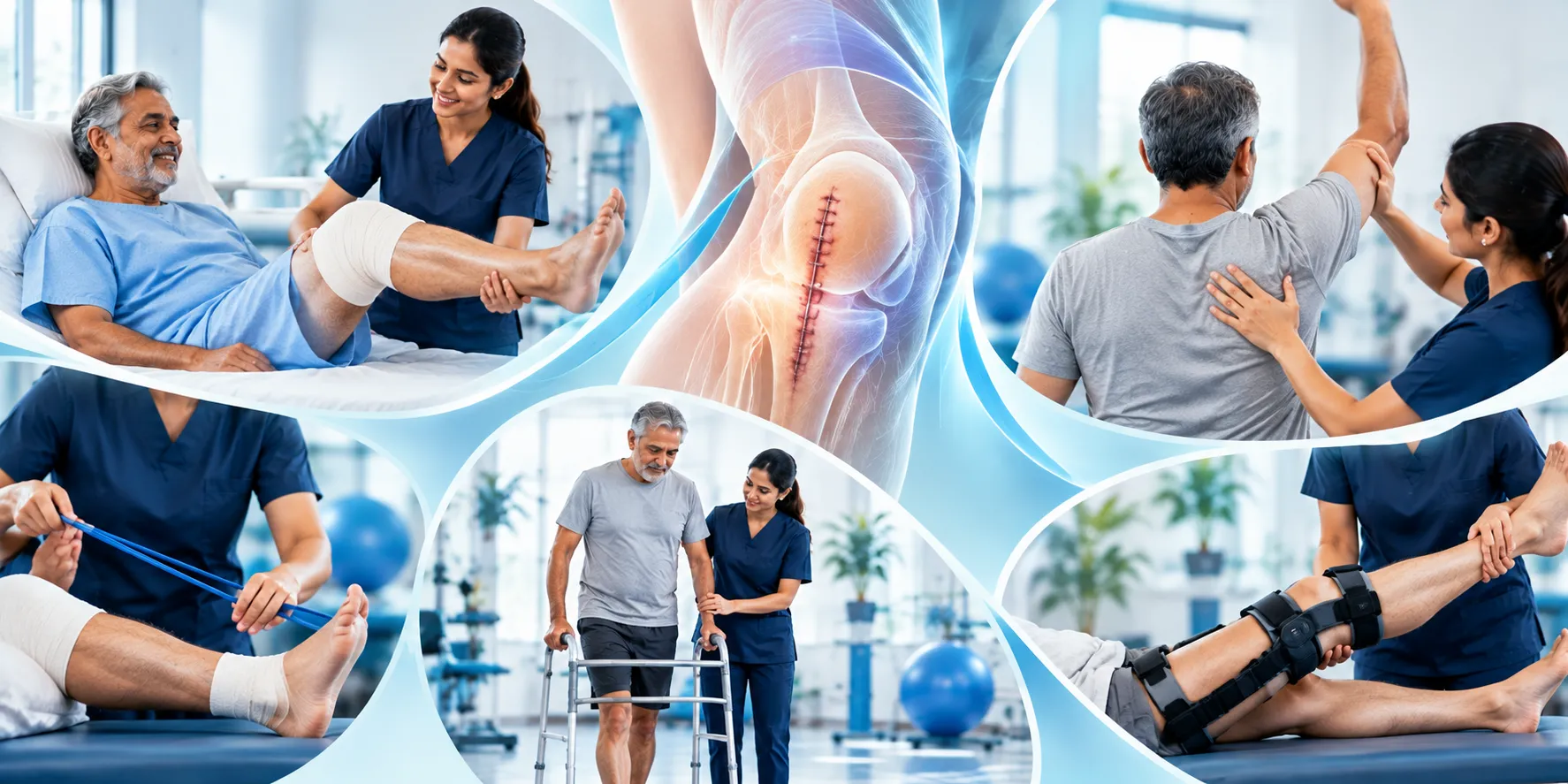
After surgery, stiffness, weakness, swelling and worry about moving are common. Our physiotherapists provide careful, personalised rehabilitation that follows your surgeon's guidance and helps you regain movement and independence, in the comfort of your own home.
Surgeon-guided plans • Progressive rehab • Care at home

Post-Surgical Assessment
Careful review of your surgery, wound, pain, movement and your surgeon's instructions.
Early Safe Mobilisation
Getting you moving at the right time, with the right support and precautions.
Pain, Swelling & Scar Care
Safe options to ease pain and swelling and support healthy healing.
Progressive Strengthening
Step-by-step exercises that rebuild strength, balance and walking.

Understanding Post-Surgical Recovery
Surgery treats the problem, but recovery depends on rehabilitation. Without guided movement, joints can stiffen, muscles weaken and confidence drops. A plan that follows your surgeon's protocol helps you regain movement safely and lowers the risks of staying inactive.
✓Follows your surgeon's protocol and restrictions
✓Personalised, one-on-one sessions
✓Safer, more comfortable recovery at home
Range of Motion
Restoring joint movement so everyday tasks become easier and more comfortable.
Strength & Stability
Rebuilding the muscles that support the operated area and protect against setbacks.
Walking & Independence
Safe walking, transfers and stairs, so you can manage daily life on your own.
Treatment Approach
Your plan changes as you heal, always within your surgeon's guidelines.
Early Post-Op
First days to weeks. Protect the area, control pain and swelling, breathe well and move gently.
Early Rehab
Wounds settling. Restore movement and begin light strengthening and walking practice.
Strengthening
Progressive loading, balance and functional tasks to rebuild confidence and capacity.
Return to Activity
Work, hobbies, driving and sport, step by step, as your surgeon clears you.
Common Surgeries
Knee Replacement
Regaining bending, straightening, strength and walking.
Hip Replacement
Safe movement, precautions and walking after hip surgery.
Fracture Fixation
Recovery after plates, screws or rods and after cast removal.
ACL & Ligament Surgery
Staged rehabilitation after knee ligament reconstruction.
Shoulder Surgery
Recovery after rotator cuff repair and other shoulder procedures.
Spine Surgery
Gentle, protected movement after disc and spinal surgery.
Abdominal & Caesarean Surgery
Breathing, early movement and core recovery after abdominal surgery.
Hand, Foot & Ankle Surgery
Restoring movement, strength and walking after smaller joint surgery.
Assessment
A structured evaluation so rehabilitation is safe and built around your surgery.
Surgical Details & Protocol
Type and date of surgery, your surgeon's instructions and any restrictions.
Wound & Swelling Check
Observation of the wound area, swelling and warning signs, without disturbing dressings.
Pain & Comfort
Where and when you feel pain, and what helps or aggravates it.
Range of Motion & Strength
Measurement of movement and muscle strength around the operated area.
Walking & Transfers
How you get up, walk and use your aid, with attention to safety.
Home Safety & Daily Tasks
Stairs, bathroom, bed and chair set-up, and ease with everyday activities.
Treatment Strategies
A personalised approach based on your procedure, healing and goals.
Early Mobilisation
Safe bed, chair and standing transfers
Walking with the right aid
Breathing and circulation exercises
Reduces the risks of staying inactive
Paced to your comfort and protocol
Range-of-Motion Therapy
Gentle assisted and active movement
Stretching within allowed limits
Joint mobility techniques where permitted
Improves stiffness over time
Progressed as healing allows
Strengthening
Graded muscle-strengthening exercises
Core, hip and leg stability work
Resistance added gradually
Functional tasks such as sit-to-stand
Designed around daily activities
Pain & Swelling Management
Positioning and elevation advice
Cold or heat therapy where suitable
TENS for pain relief where suitable
Swelling-reducing exercises
Used alongside active treatment
Gait & Balance Training
Walking with walker, crutches or stick
Weight-bearing progression as permitted
Stair and uneven-surface practice
Balance and fall-prevention training
Supervised for your safety
Scar & Home Recovery Support
Scar mobilisation once healed and cleared
Wound-area precautions explained
Home set-up and equipment advice
Family guided on how to assist
Regular progress review
In Focus
Recovering from a knee or hip replacement is easier in familiar surroundings. Your physiotherapist works with your surgeon's guidance to restore movement safely and rebuild strength step by step.
✓Early walking with the right aid
✓Movement and strengthening exercises for the new joint
✓Any movement precautions clearly explained
✓Safe stairs, bed, chair, toilet and car transfers
✓Fewer trips to a clinic during recovery

Consistent Sessions
Regular home visits help you keep to your plan, which supports steady progress.
Safer Environment
Practising on your own stairs, bed and bathroom prepares you for real daily life.
Progressive Approach
Exercises advance in stages, so load and movement increase only as you are ready.
Supportive Care
Home Exercise Programme
Simple routines to follow between sessions so progress continues daily.
Walking Aids & Equipment
Guidance on using walkers, crutches, sticks, braces and supports correctly and safely.
Lifestyle & Nutrition Advice
Practical advice on pacing activity, sleep, nutrition, stopping smoking and healthy healing.
Safety First
Situations Needing Urgent Medical Review
Fever or chills
Redness, heat, discharge or opening of the wound
Warm, painful, swollen calf
Chest pain or sudden breathlessness
Sudden numbness, loss of movement or colour change in a limb
A fall, or sudden inability to bear weight
Our Safety-First Approach
Screening for warning signs at every visit
Referral to your surgeon or doctor when needed
Strict respect for your surgeon's restrictions
Treatment adjusted to your health conditions
Unhurried, clear explanation of your plan
Outcomes
Personalised
Care matched to your surgery and goals tends to give the best results.
Protocol-Led
Following your surgeon's plan, with exercise and hands-on care, supports safe progress.
Active Recovery
Staying consistent with your home programme speeds up progress.
Detailed Home Assessment
Qualified Physiotherapists
Personalised Treatment Plans
Regular Progress Review