Cardiac & Pulmonary Physiotherapy
Strengthening Hearts, Improving Breathing.
Strengthening Hearts, Improving Breathing.

Cardiac & Pulmonary Physiotherapy
After a heart event, heart or chest surgery, or with a long-term lung condition, even simple activity can feel exhausting. Our physiotherapists provide careful, monitored, personalised care that helps you breathe more comfortably and get active again, in the comfort of your own home.
Monitored sessions • Breathing retraining • Care at home
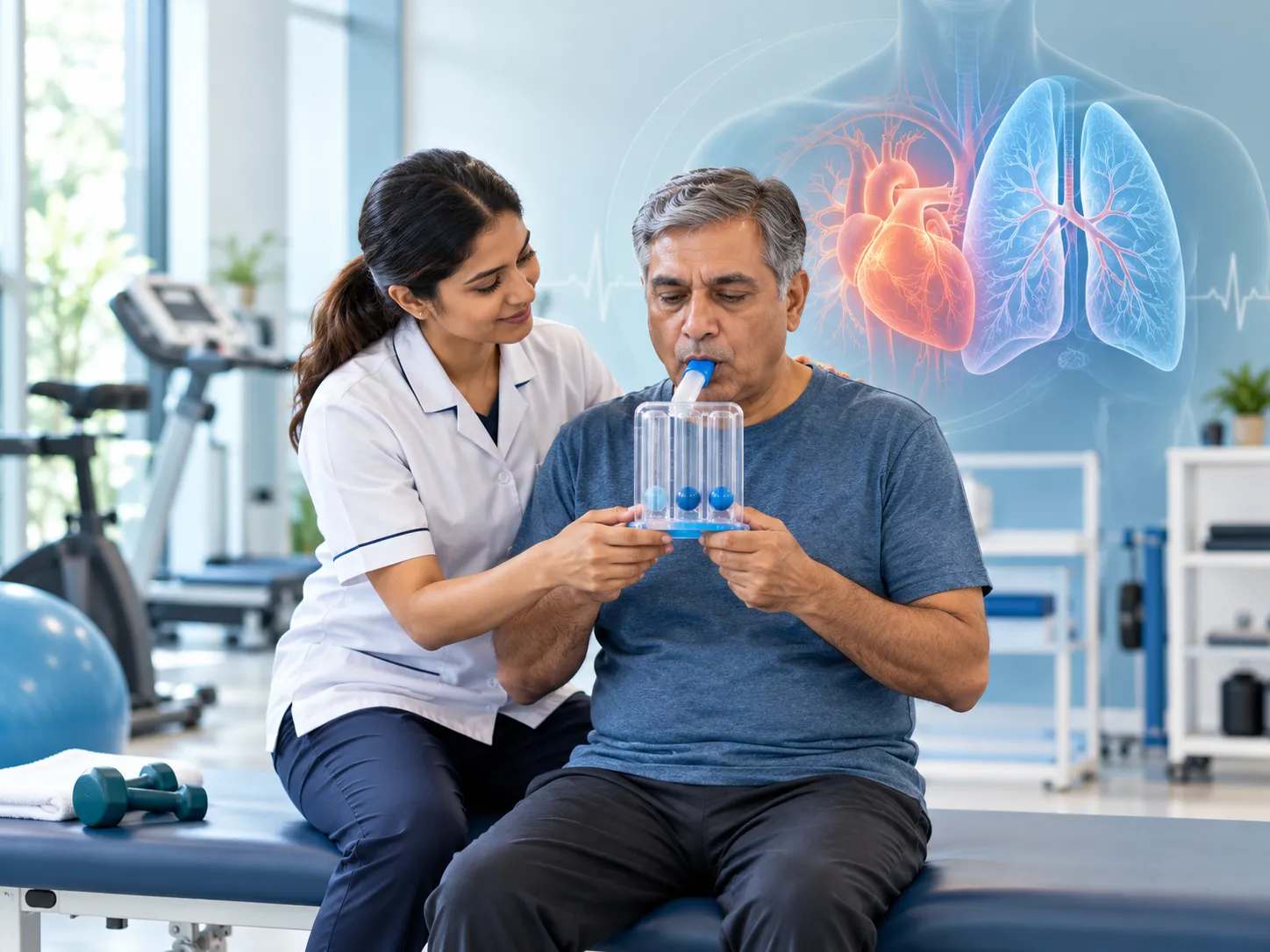
Cardiopulmonary Assessment
Evaluation of heart rate, blood pressure, oxygen level, breathing and exercise tolerance.
Breathing Retraining
Techniques that ease breathlessness and help you breathe more efficiently.
Safe Graded Exercise
Gradual walking and strengthening, monitored and kept within your doctor's limits.
Airway Clearance & Education
Methods to clear secretions, plus guidance on pacing, warning signs and self-care.
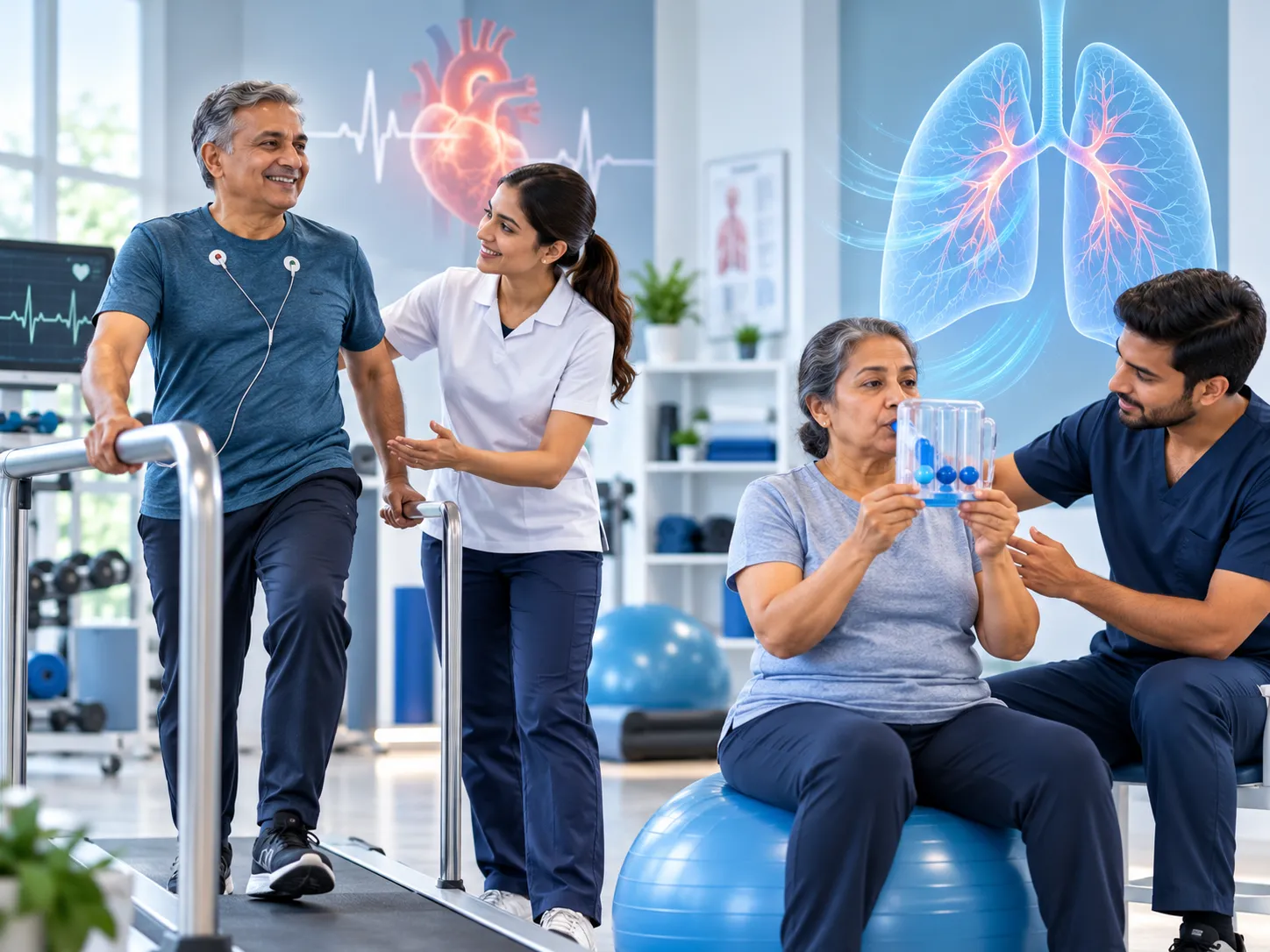
Understanding Heart & Lung Care
The heart and lungs work together to deliver oxygen to the body. When either is affected, breathlessness and tiredness can limit even light activity. With guided breathing techniques and carefully progressed exercise, many people rebuild stamina and confidence.
✓Monitored, doctor-guided exercise and breathing care
✓One-to-one sessions at a pace that suits you
✓Builds confidence to be active again
Breathing Efficiency
Better breathing control reduces breathlessness during rest, talking and activity.
Stamina & Endurance
Gradually increased activity improves how long you can stay active before tiring.
Confidence & Independence
Knowing your limits and warning signs helps you move and live with less fear.
Treatment Approach
The right approach depends on your diagnosis, how recently it happened and what you want to get back to.
Early Recovery
After a hospital stay, heart event or surgery. Gentle breathing and activity, once your doctor advises it.
Rebuilding
Gradual walking, strengthening and endurance work to restore everyday stamina.
Maintenance
Long-term fitness habits and self-management that protect your gains.
Long-Term Lung Conditions
Symptom control, airway clearance and pacing for COPD and other chronic lung conditions.
Common Conditions
Heart Surgery Recovery
Rehabilitation after bypass or valve surgery.
Heart Failure
Managing fatigue and breathlessness with paced, monitored activity.
COPD & Chronic Lung Disease
Breathing control, airway clearance and exercise for long-term lung conditions.
Bronchiectasis & Asthma
Airway clearance and breathing retraining to ease symptoms.
Interstitial Lung Disease
Pacing, breathing control and graded exercise to ease breathlessness.
Post-Pneumonia & Post-COVID
Regaining breathing comfort and stamina after chest infections.
Chest & Abdominal Surgery
Breathing, cough technique and early movement after surgery.
Deconditioning
Rebuilding strength and stamina after ICU stay or long bed rest.
Assessment
A careful, structured evaluation so treatment is safe and built around your needs.
Medical History & Reports
Diagnosis, surgeries, medicines, risk factors and your personal goals.
Vital Signs
Heart rate, blood pressure and oxygen level at rest and during activity.
Breathing & Chest Check
Breathing pattern, chest movement, cough and sputum.
Exercise Tolerance
A walking-based test with breathlessness and effort ratings.
Strength & Mobility
Muscle strength, posture and ease of getting up and moving.
Daily Activity & Home Set-up
Energy use in daily tasks, stairs and your home environment.
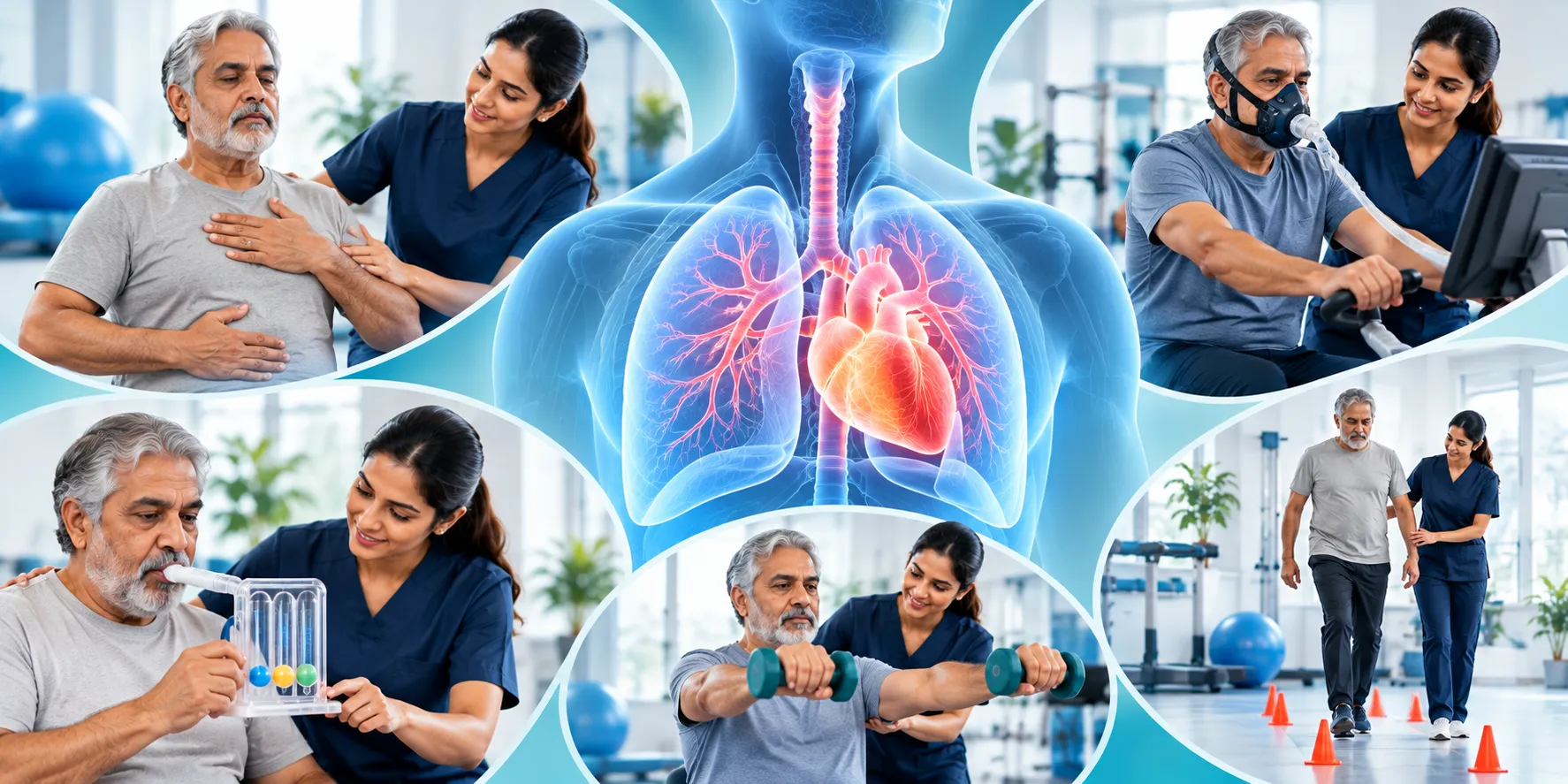
Treatment Strategies
A personalized approach based on your diagnosis, vital signs and goals.
Breathing Retraining
Diaphragmatic (belly) breathing
Pursed-lip breathing for breathlessness
Breathing control at rest and during effort
Positions that ease breathing
Paced to your comfort
Graded Exercise & Walking
Monitored walking programmes
Gradual increase in time and effort
Heart rate and oxygen monitoring
Rest and pacing strategies
Adjusted to your doctor's limits
Airway Clearance
Active cycle of breathing techniques
Positioning to help drain secretions
Cough and huff coaching
Hydration and sputum advice
For bronchiectasis, COPD and chest infections
Strength & Mobility
Gentle strengthening of arms, legs and trunk
Posture and chest mobility exercises
Sit-to-stand and stair practice
Helps reduce fatigue in daily tasks
Progressed as you improve
Post-Surgical Recovery
Breathing and cough technique after chest surgery
Chest-wound precautions explained
Safe early mobilisation
Follows your surgeon's guidelines
Regular progress review
Education & Self-Management
Energy conservation and pacing
Recognising warning signs
Breathlessness action plans
Guidance on using prescribed inhalers and oxygen
Healthy habits for heart and lungs
In Focus
Recovering after a heart attack, angioplasty or heart surgery is easier in familiar surroundings. Your physiotherapist works within your doctor's guidance to rebuild activity safely, one careful step at a time.
✓Gradual, monitored return to activity
✓Heart rate, blood pressure and oxygen checked in sessions
✓Safe walking and strengthening exercises
✓Warning signs and when to rest explained
✓Family guided on how to support you
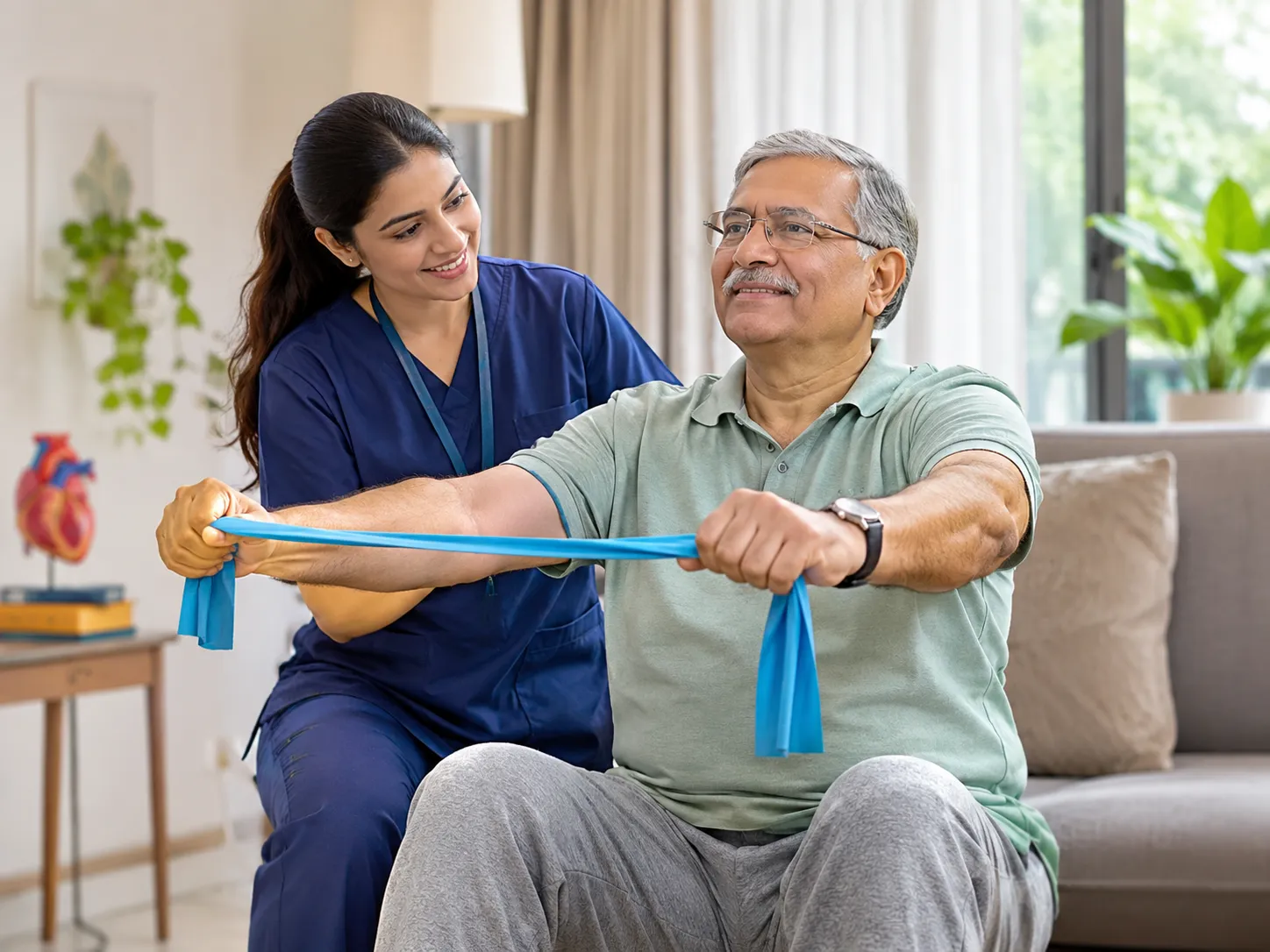
Monitored Sessions
Vital signs are checked during visits so activity stays within safe limits.
Familiar Environment
Practising on your own stairs and floors prepares you for real daily life.
Gradual Progression
Activity increases in small steps, only as you are ready.
Supportive Care
Home Exercise & Walking Plan
Simple routines to follow between sessions so progress continues daily.
Home Monitoring Guidance
Guidance on checking your pulse and, where advised, oxygen readings with a pulse oximeter.
Lifestyle & Risk-Factor Advice
Practical advice on activity, nutrition, sleep, stress and stopping smoking, alongside your care team.
Safety First
Situations Needing Urgent Medical Care
Chest pain, pressure or tightness
Sudden or severe breathlessness, or breathlessness at rest
Fainting, severe dizziness or a racing, irregular heartbeat
Blue or grey lips, or oxygen readings below the level your doctor advised
Coughing up blood
Sudden leg swelling or rapid weight gain
Our Safety-First Approach
Vital signs checked before and during sessions
Exercise only within your doctor's limits
Immediate rest and referral if warning signs appear
Coordination with your cardiologist or chest physician
Unhurried, clear explanation of your plan
Outcomes
Personalised
Care matched to your condition and goals tends to give the best results.
Gradual Progress
Stamina and breathing comfort usually improve step by step with regular practice.
Active Participation
Staying consistent with your home programme supports steady progress.
With a thorough assessment and a consistent, personalised plan, many people notice easier breathing, better stamina and more confidence in daily activity. Results depend on the condition, its severity and how regularly the plan is followed, and your physiotherapist will discuss what to realistically expect.
Detailed Home Assessment
Qualified Physiotherapists
Personalised Treatment Plans
Regular Progress Review
Your Journey
1
Booking and initial consultation
2
Home assessment with vital-sign checks
3
Review of reports, scans and medical history
4
Personalised cardiopulmonary plan
5
Treatment sessions begin
6
Breathing and exercise programme at home
7
Regular progress review and updates to your doctor
8
Continued support towards an active, independent life.
Assessment and respiratory care to manage persistent coughing and improve airway function.
Respiratory care and breathing exercises to improve airway management, breathing control, and physical endurance.
Respiratory rehabilitation to improve breathing efficiency, exercise tolerance, and daily functioning.
Specialised rehabilitation to improve breathing, stamina, mobility, and strength after COVID-19.
Personalised rehabilitation to maintain mobility, prevent complications, and improve comfort in elderly patients.
Pulmonary rehabilitation to support airway clearance, manage respiratory symptoms, and improve lung function.
Respiratory assessment and supportive care to improve oxygen management and breathing function.
Cardiac physiotherapy helps improve heart health, build stamina, restore physical strength, and support safe recovery after a heart attack under medical supervision.
Comprehensive multidisciplinary support for critically ill patients requiring intensive monitoring and rehabilitation.
Page 1 of 2