
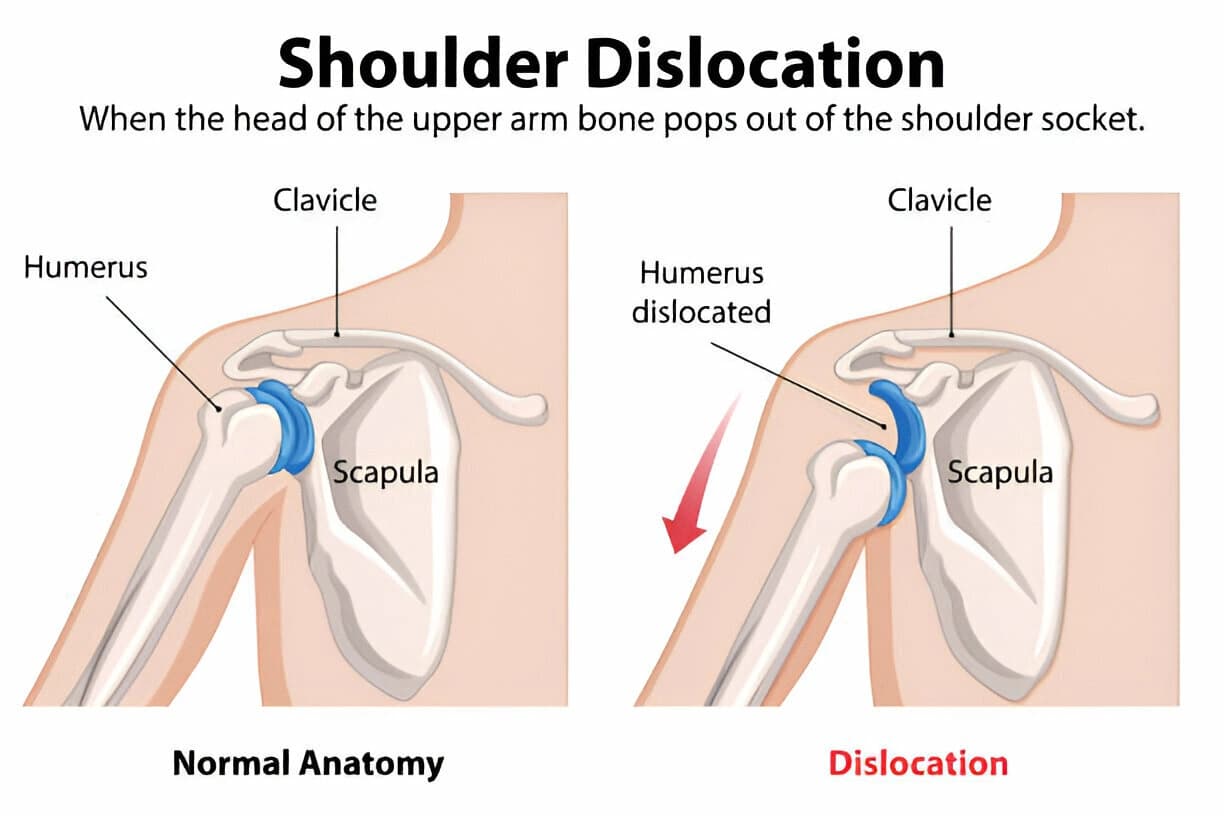
A dislocated shoulder is one of the most frequent joint injuries, especially among athletes and active individuals. But it can happen to anyone, from a fall, an accident, or even a forceful stretch. Recognizing dislocated shoulder symptoms and understanding the causes of shoulder dislocation can help you take timely action, prevent complications, and begin recovery with confidence.
In this blog, we break down the key dislocation symptoms, explain what happens during a shoulder dislocation, and highlight how to manage and prevent future injuries.
The shoulder is the body’s most mobile joint, allowing a wide range of motion in all directions. But this flexibility comes with a downside: the shoulder joint is also the most prone to dislocation.
A dislocation occurs when the head of the upper arm bone (humerus) is forced out of the shoulder socket (glenoid). This can happen partially or completely:
Both are serious and require medical attention.
The signs of a dislocated shoulder are usually immediate and hard to ignore. Common dislocated shoulder symptoms include:
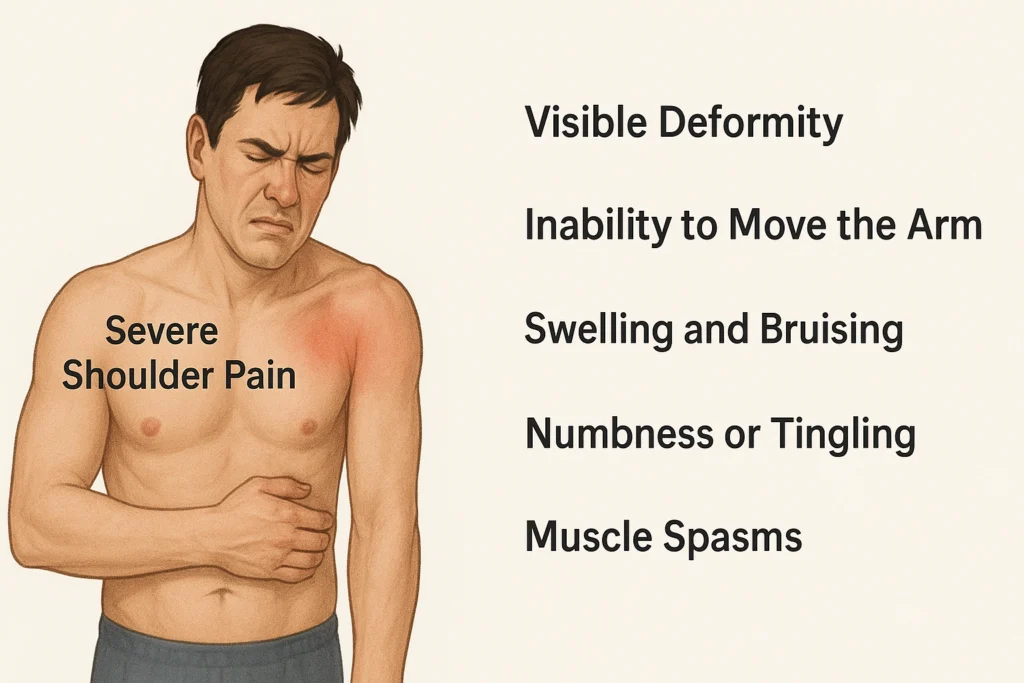
If you experience these symptoms after a fall, blow, or sudden stretch, seek medical help immediately.
A partially dislocated shoulder (or subluxation) can be more subtle but still serious. Symptoms may include:
These partially dislocated shoulder symptoms might occur repeatedly, especially in people with loose ligaments or previous shoulder injuries. Ignoring them can lead to full dislocation or chronic shoulder instability.
While this blog focuses on the shoulder, it’s worth noting that joint dislocation symptoms share some common traits across the body:
The shoulder, elbow, finger, knee, and hip are all susceptible to dislocation under the right conditions.
Shoulder dislocation can result from a range of incidents. Here are the most common causes of shoulder dislocation:
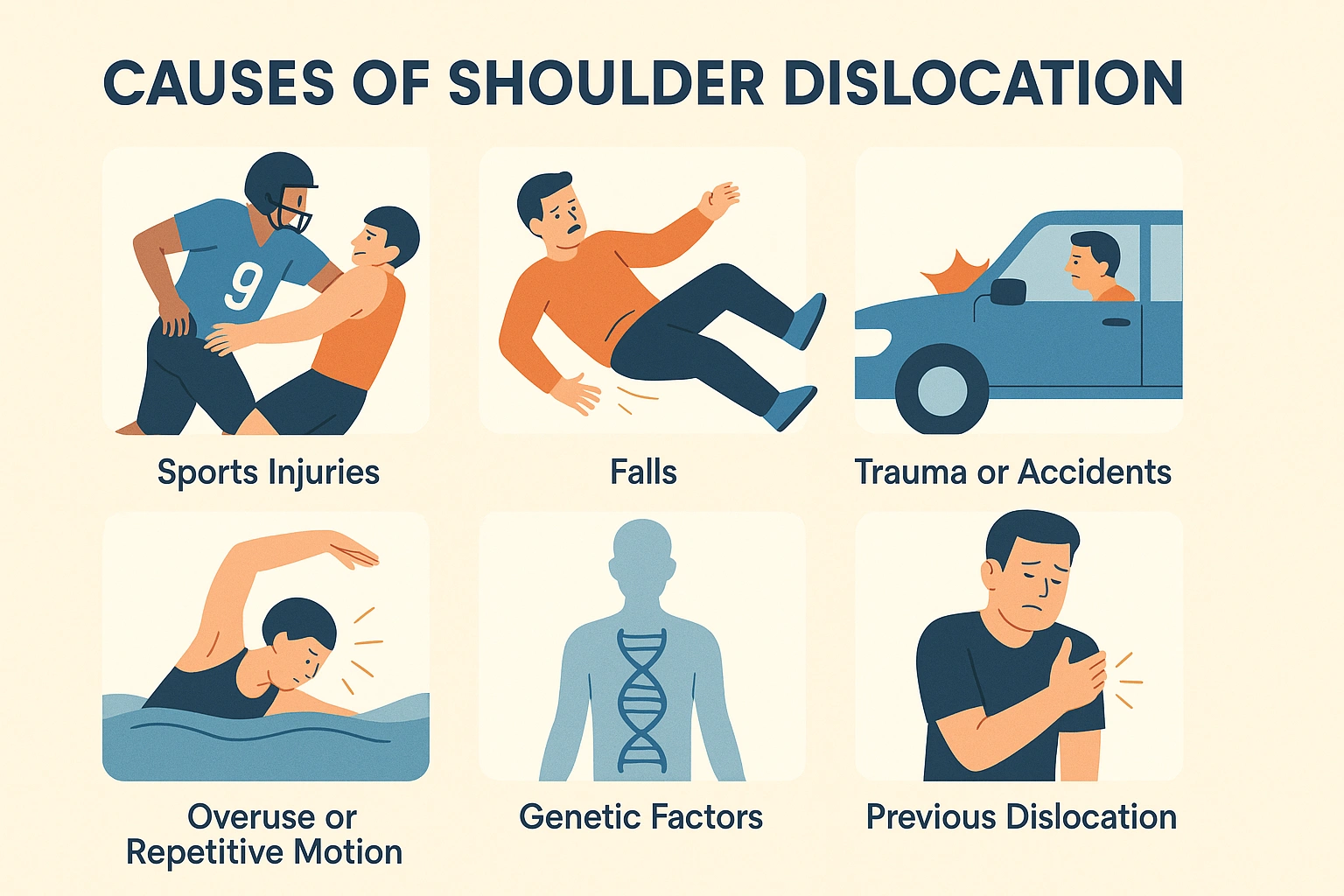
Understanding the causes of dislocation helps in reducing risks and making smarter lifestyle or training choices.
During a shoulder dislocation, the joint structure – ligaments, tendons, muscles, and bones- is put under extreme stress. In some cases, the dislocation can cause additional injuries such as:
Immediate reduction (putting the joint back in place) by a medical professional is critical. Never attempt to pop it back yourself.
After an injury, doctors will perform a physical exam and order imaging (X-rays, sometimes MRI) to confirm the diagnosis and check for fractures or soft tissue damage.
Depending on the severity, treatment may include:
Surgical intervention may be needed for recurring dislocations or associated structural injuries.
Ignoring a shoulder dislocation or incomplete rehab can lead to:
Even if the pain subsides, always follow up with a qualified medical professional after a shoulder dislocation.
While not all dislocations can be prevented, you can reduce your risk by:
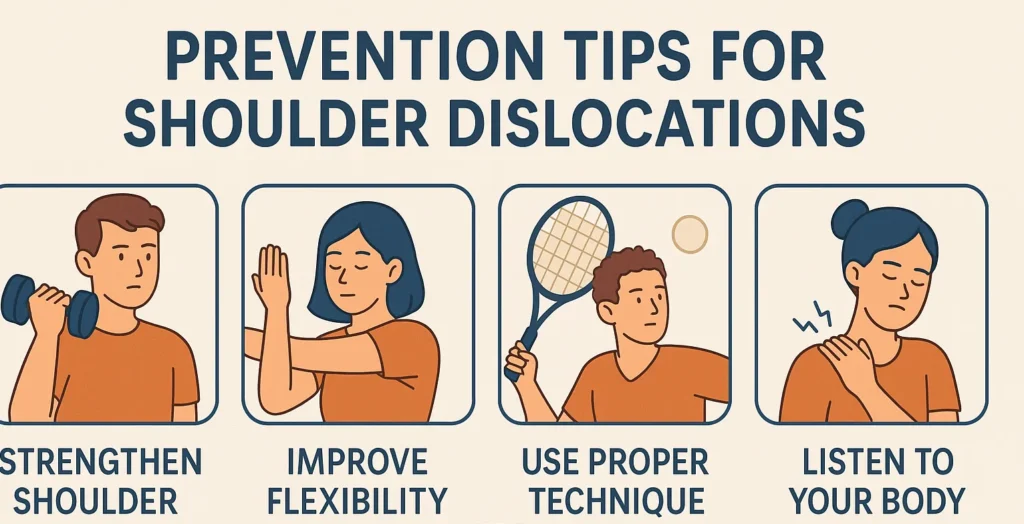
Athletes recovering from dislocation should only return to play after full recovery and medical clearance.
At Healyos, we understand the frustration and fear that can follow a shoulder dislocation. Our team of physiotherapists specializes in injury recovery and prevention through personalized rehabilitation programs.
Whether you’re managing dislocated shoulder symptoms or working through partially dislocated shoulder symptoms, we’ll guide you every step of the way – from pain relief to long-term joint protection.
With a combination of hands-on therapy, strengthening routines, and injury education, our goal is to help you return to your active life confidently and safely.
A dislocated shoulder is painful, but with prompt treatment and guided rehabilitation, full recovery is possible. Knowing the signs, understanding the causes of shoulder dislocation, and acting early can make all the difference.
If you suspect a dislocation, don’t wait. Seek care, follow your recovery plan, and invest in prevention. Your shoulders are built for movement – protect them well.