10 Best Rotator Cuff Injury Exercises for Faster Recovery and Stronger Shoulders
Rotator cuff injury exercises are essential movements that help restore shoulder function, reduce pain, and strengthen the muscles surrounding your shoulder joint. These targeted exercises can accelerate healing when performed correctly and consistently.
Whether you’re dealing with tendinitis, a partial tear, or recovering from surgery, the right exercise program is crucial for regaining full shoulder mobility.
This comprehensive guide presents 10 evidence-based exercises for rotator cuff injury that physical therapists recommend, along with proper techniques to ensure safe and effective recovery while building stronger shoulders.
Understanding Your Rotator Cuff and Common Injuries
The rotator cuff consists of four muscles (supraspinatus, infraspinatus, teres minor, and subscapularis) that work together to stabilize your shoulder joint. These muscles can become injured through repetitive overhead movements, acute trauma, or age-related degeneration.
Common rotator cuff injuries include:
Tendinitis (inflammation of tendons)
Bursitis (inflammation of fluid-filled sacs)
Partial or complete tears
Impingement syndrome
Why Exercise is Critical for Rotator Cuff Recovery
Physical therapy exercises form the cornerstone of rotator cuff injury treatment. Research shows that structured exercise programs can be as effective as surgery for many shoulder conditions. Benefits include:
Improved blood flow to promote healing
Reduced pain and inflammation
Enhanced range of motion
Prevention of muscle atrophy
Better shoulder stability
10 Best Rotator Cuff Injury Exercises
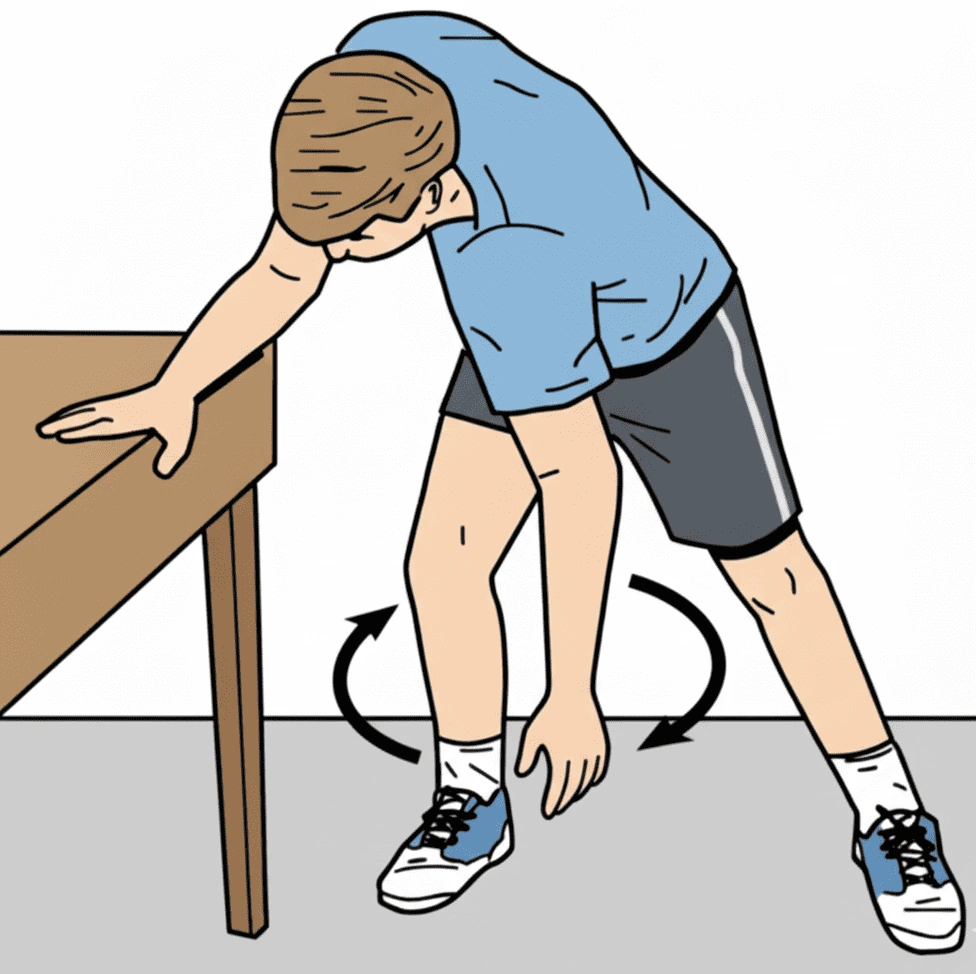
1. Pendulum Swings (Codman’s Exercise)
This gentle shoulder exercise is often the first movement prescribed after injury.
How to perform:
Lean forward, supporting yourself with your uninjured arm on a table
Let your affected arm hang freely
Gently swing your arm in small circles (10 clockwise, 10 counterclockwise)
Progress to forward-backward and side-to-side movements
Benefits: Reduces stiffness and promotes gentle movement without straining healing tissues
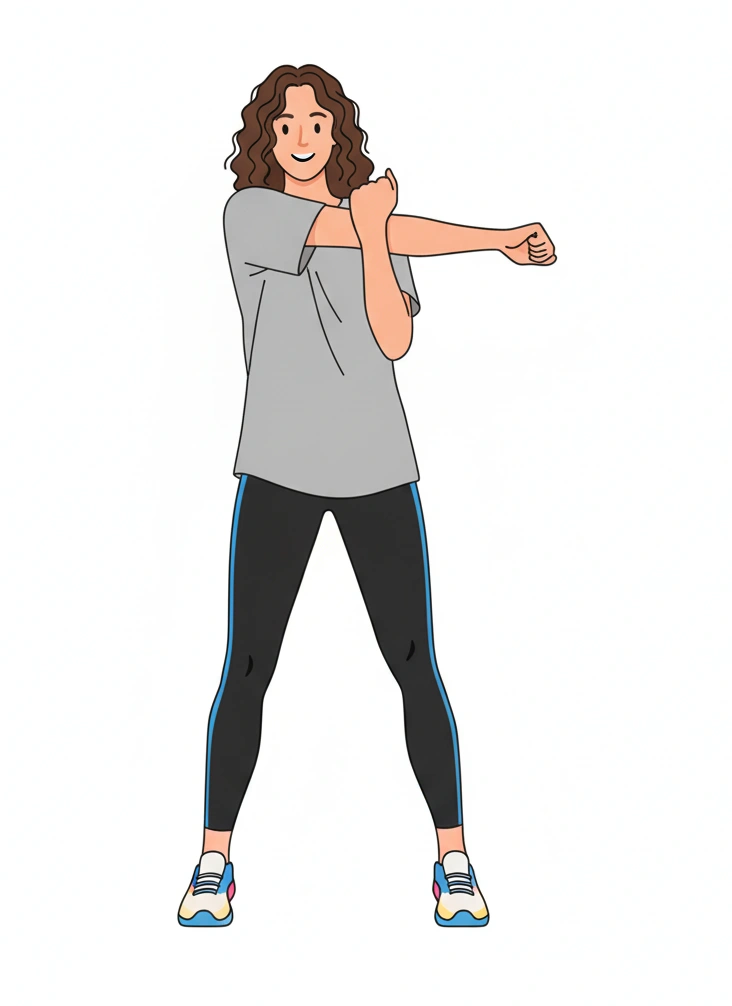
2. Cross-Body Shoulder Stretch
This stretching exercise targets the posterior shoulder capsule.
How to perform:
Use your good arm to pull the affected arm across your chest
Hold for 20-30 seconds
Feel the stretch in the back of your shoulder
Repeat 3-5 times
Benefits: Improves flexibility and reduces tightness
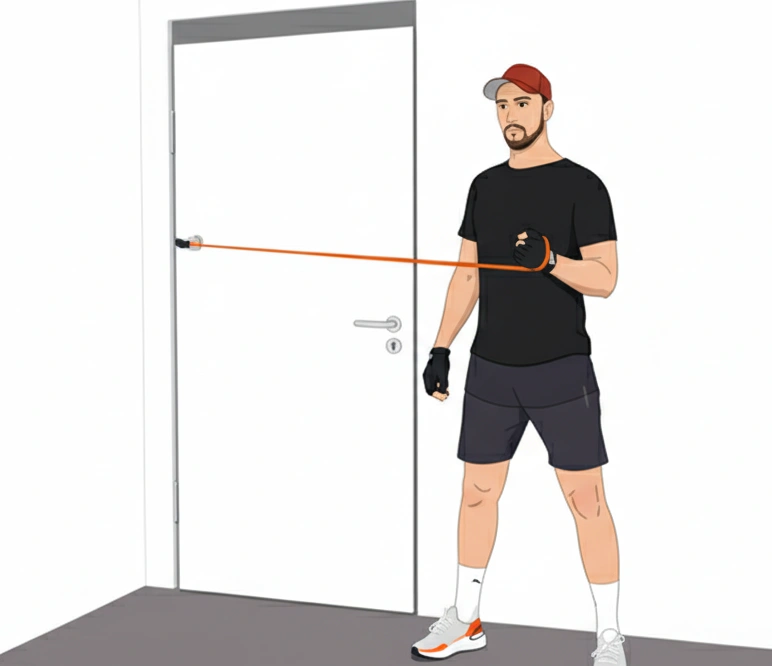
3. External Rotation with Resistance Band
A fundamental strengthening exercise for the infraspinatus and teres minor muscles.
How to perform:
Anchor a resistance band at elbow height
Keep elbow at 90 degrees, tucked to your side
Rotate arm outward against resistance
Perform 2-3 sets of 10-15 repetitions
Benefits: Builds rotational strength essential for daily activities
4. Internal Rotation with Resistance Band
Targets the subscapularis muscle for balanced shoulder strengthening.
How to perform:
Position band on opposite side from external rotation
Keep elbow bent at 90 degrees
Pull band across your body
Control the movement in both directions
Benefits: Develops internal rotation strength and shoulder stability
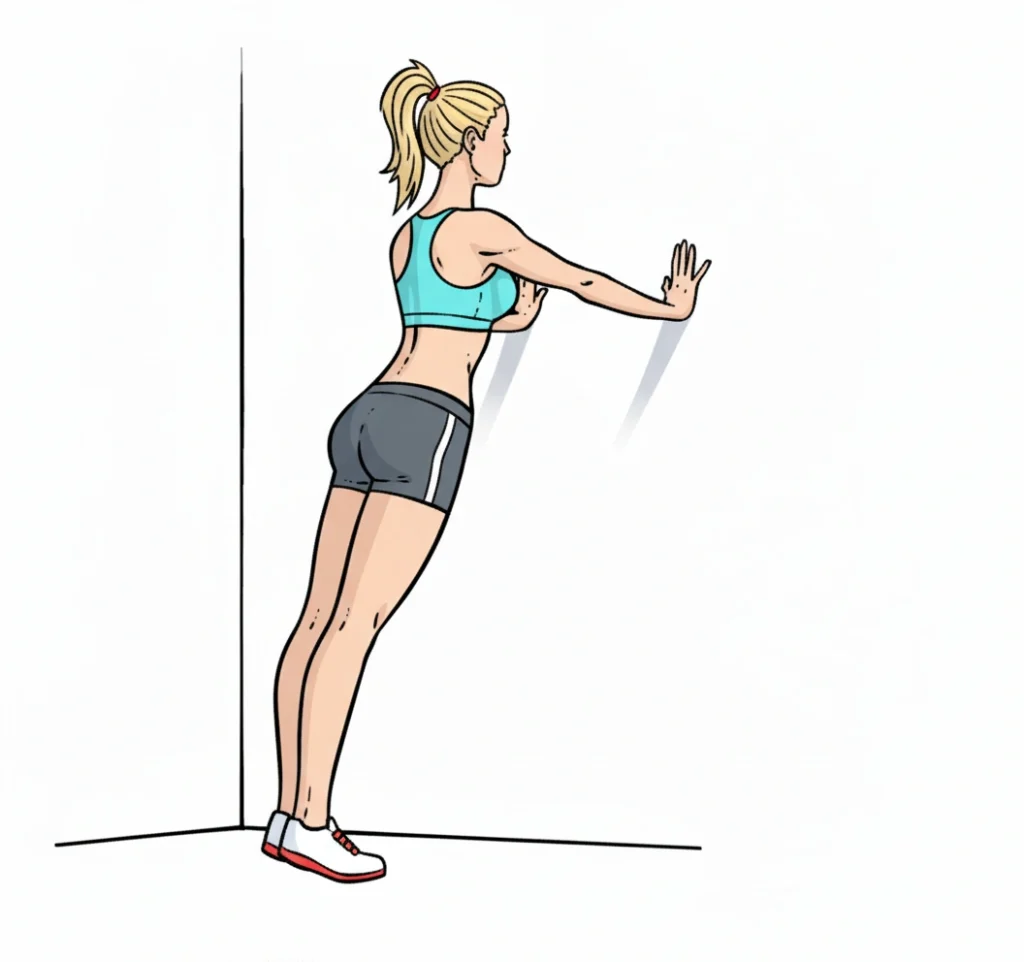
5. Wall Push-Ups
A modified version of traditional push-ups ideal for rotator cuff rehabilitation.
How to perform:
Stand arm’s length from a wall
Place palms flat against wall at shoulder height
Perform push-ups against the wall
Start with 10 repetitions, gradually increase
Benefits: Builds strength without excessive shoulder stress
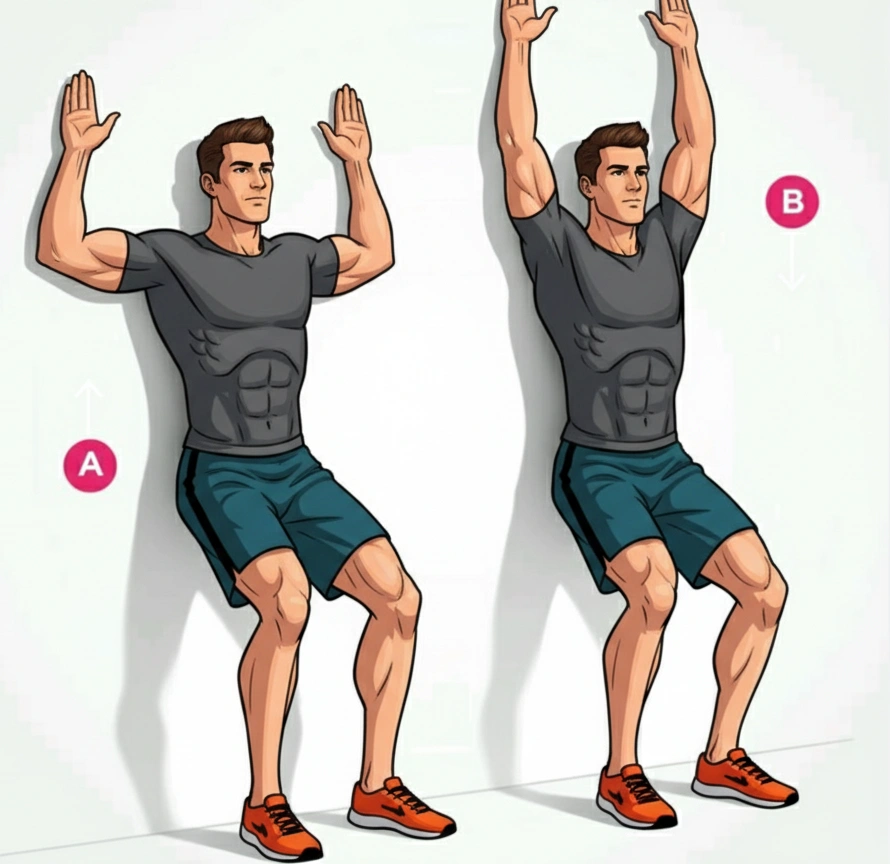
6. Scapular Wall Slides
Excellent for improving scapular stabilization and shoulder mechanics.
How to perform:
Stand with back against wall
Raise arms in “goal post” position
Slide arms up and down the wall
Maintain contact throughout movement
Benefits: Enhances shoulder blade control and positioning
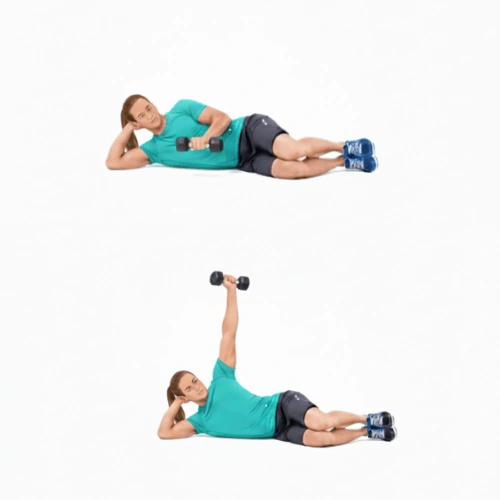
7. Side-Lying External Rotation
An isolated strengthening exercise for the rotator cuff muscles.
How to perform:
Lie on unaffected side
Keep affected elbow bent at 90 degrees
Rotate arm upward while keeping elbow at side
Use light dumbbell (1-3 pounds initially)
Benefits: Specifically targets external rotators without compensation
8. Prone Horizontal Abduction (T-Exercise)
Strengthens the posterior deltoid and rotator cuff muscles.
How to perform:
Lie face down on bench or bed
Let arm hang toward floor
Raise arm to side, forming a “T” with your body
Hold briefly at top, lower slowly
Benefits: Builds posterior shoulder strength and endurance
9. Doorway Stretch
Essential flexibility exercise for the anterior shoulder.
How to perform:
Place forearm on doorframe
Step forward until you feel stretch in chest and shoulder
Hold 20-30 seconds
Adjust arm height for different stretch angles
Benefits: Improves shoulder flexibility and prevents impingement
10. Isometric Exercises
Perfect for early rehabilitation when movement is limited.
Types include:
Isometric external rotation: Push outward against wall
Isometric internal rotation: Push inward against wall
Isometric abduction: Push arm away from body against wall
Benefits: Maintains muscle activation without joint movement
Important Safety Guidelines
When performing rotator cuff injury exercises, follow these crucial guidelines:
Start slowly: Begin with gentle movements and progress gradually
Listen to your body: Stop if you experience sharp pain
Maintain proper form: Quality over quantity always
Be consistent: Perform exercises daily as prescribed
Ice after exercise: Apply ice for 10-15 minutes to manage inflammation
Progressive Exercise Program
Week 1-2: Gentle Mobilization
Focus on pendulum swings and gentle stretches
Perform 2-3 times daily
Avoid resistance exercises
Week 3-4: Early Strengthening
Add isometric exercises
Introduce light resistance band work
Continue stretching routine
Week 5-8: Progressive Loading
Increase resistance gradually
Add more complex movements
Focus on functional exercises
Week 9+: Advanced Strengthening
Progress to heavier resistance
Incorporate sport-specific movements
Maintain regular exercise routine
Common Mistakes to Avoid
Rushing progression: Moving too quickly through exercises can reinjure tissues
Ignoring pain signals: Distinguish between muscle fatigue and injury pain
Poor posture: Maintain proper alignment during all exercises
Overtraining: Allow adequate rest between sessions
Neglecting other muscles: Work entire shoulder complex, not just rotator cuff
When to Seek Professional Help
Consult a healthcare provider if you experience:
Severe pain that doesn’t improve with rest
Inability to lift your arm
Numbness or tingling
Night pain that disrupts sleep
No improvement after 4-6 weeks of exercises
Key Takeaways
Rotator cuff injury exercises are essential for recovery and preventing future injuries
Start with gentle movements like pendulum swings and progress to resistance exercises
Consistency and proper form are more important than intensity
Strengthening exercises should target all four rotator cuff muscles for balanced recovery
Combine stretching exercises with strengthening for optimal results
Physical therapy exercises can often help avoid surgery when performed correctly
Building stronger shoulders requires patience and progressive loading
Always listen to your body and stop exercises that cause sharp pain
Recovery typically takes 6-12 weeks with consistent exercise
Professional guidance ensures safe and effective rehabilitation
Frequently Asked Questions
Can I exercise with a complete rotator cuff tear?
Complete tears often require surgical evaluation first. However, some patients with full-thickness tears can achieve good function through specific strengthening programs. Your orthopedist will determine if conservative treatment is appropriate based on tear size, location, and your activity level.
Why does my shoulder hurt more at night after doing exercises?
Night pain after exercises typically indicates inflammation from daytime activity. This is common early in rehabilitation. Try icing before bed, adjusting your sleeping position with pillow support, and reducing exercise intensity temporarily.
Should I use heat or ice after rotator cuff exercises?
Ice is generally preferred immediately after exercise for 10-15 minutes to reduce inflammation. Heat can be used before exercises to improve flexibility, but avoid it if you have active inflammation or recent injury.
How long before I can return to overhead sports like tennis or swimming?
Return to overhead sports typically takes 3-6 months, depending on injury severity. You’ll need full range of motion, strength equal to the uninjured side, and clearance from your healthcare provider before resuming high-level activities.
Is it normal to hear clicking or popping during shoulder exercises?
Painless clicking or popping (crepitus) is often normal and results from tendons moving over bone surfaces. However, if accompanied by pain, catching sensations, or sudden weakness, stop the exercise and consult your physical therapist.