
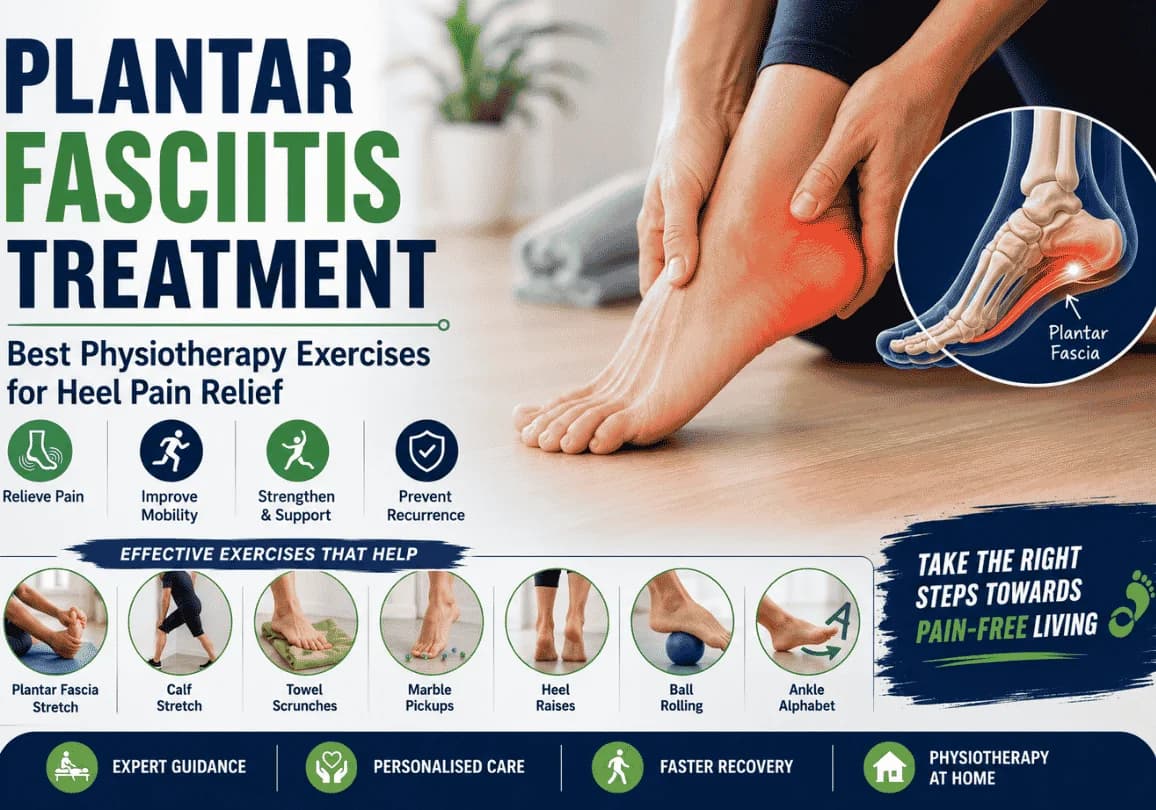
That sharp, stabbing pain in your heel the moment you take your first step in the morning — if it sounds familiar, you may be dealing with plantar fasciitis. It is one of the most common causes of heel pain, affecting millions of people each year, from athletes to desk workers. The good news? With the right physiotherapy exercises and professional guidance, most people experience significant relief without the need for surgery or long-term medication.
In this blog, we walk you through what plantar fasciitis is, why physiotherapy is the gold standard for treatment, and the best exercises you can start doing today to get back on your feet pain-free.
The plantar fascia is a thick band of tissue that runs along the bottom of your foot, connecting your heel bone to your toes. When this tissue becomes inflamed typically due to overuse, poor footwear, or excessive strain, it results in a condition called plantar fasciitis.
Common symptoms include:
Plantar fasciitis is particularly common in runners, people who are on their feet all day, those with flat feet or high arches, and individuals who are overweight.
Many people make the mistake of ignoring plantar fasciitis or simply relying on pain relief medication. While rest and ice can help manage acute pain, they do not address the root cause. Physiotherapy, on the other hand, targets the underlying biomechanical issues – tight calf muscles, weak foot intrinsics, poor ankle mobility that put excessive stress on the plantar fascia in the first place.
A structured physiotherapy treatment plan for plantar fasciitis focuses on
Here are the most clinically recommended exercises for plantar fasciitis treatment. These can be performed at home, ideally under the supervision of a qualified physiotherapist for proper technique and progression.
This is one of the most effective exercises for plantar fasciitis and is best performed before your first step out of bed in the morning.
How to do it:
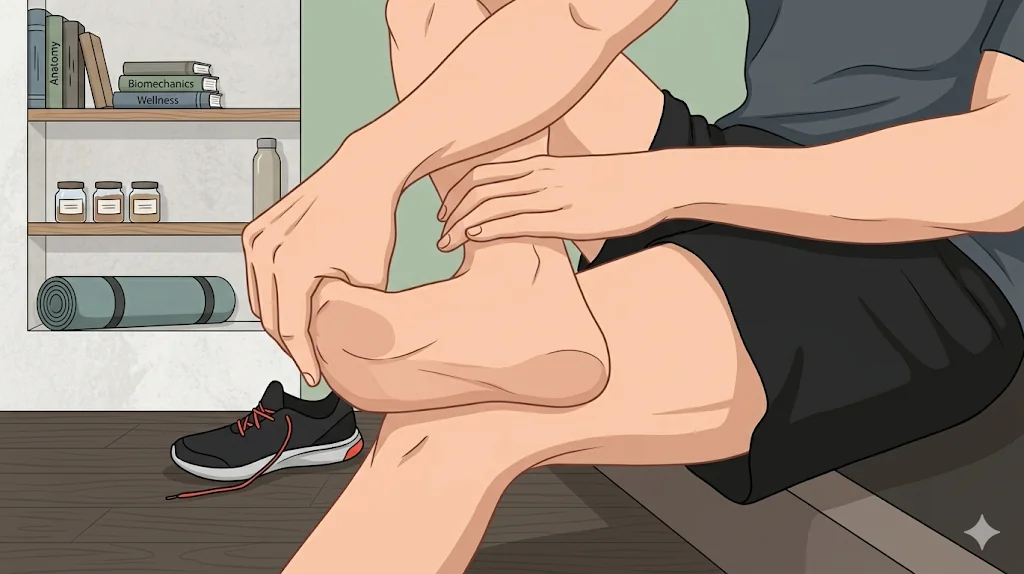
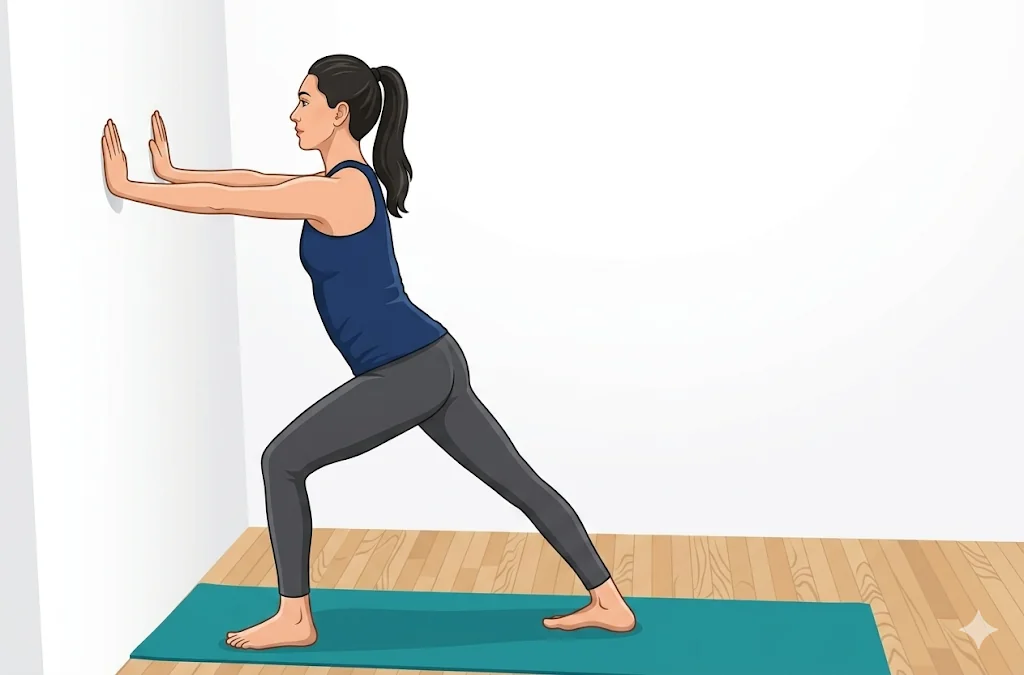
Tight calf muscles are a major contributing factor to plantar fasciitis. Stretching both the gastrocnemius and soleus muscles relieves tension on the plantar fascia.
Gastrocnemius stretch:
Soleus stretch:
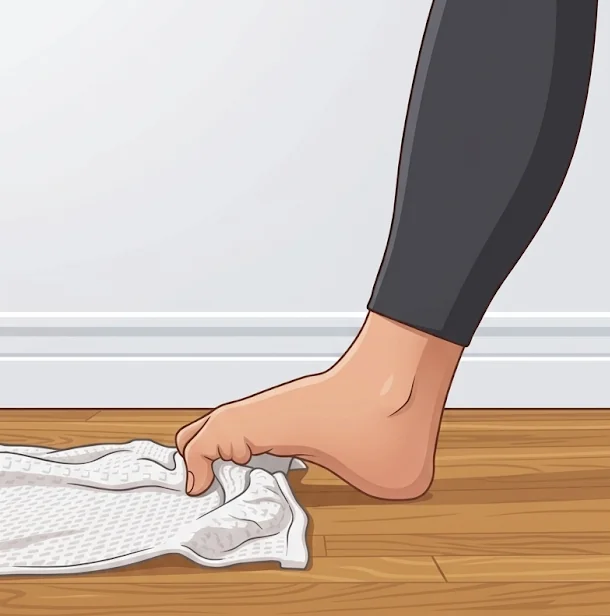
Weak foot muscles reduce the arch’s ability to absorb impact, increasing load on the plantar fascia.
How to do it:
This exercise targets the small intrinsic muscles of the foot that support the arch.
How to do it:
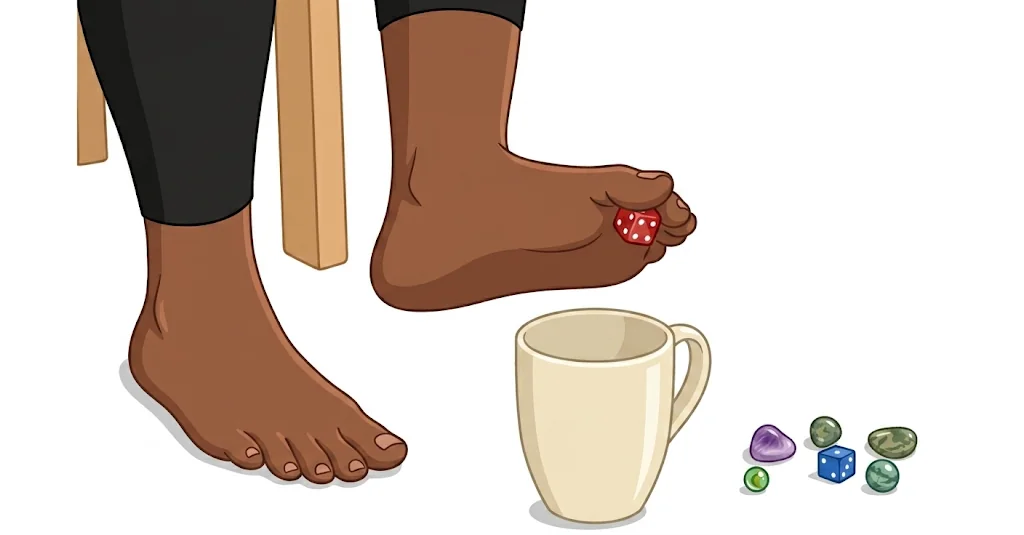
Strengthening the calf complex is essential for reducing plantar fascia load during walking and running.
How to do it:
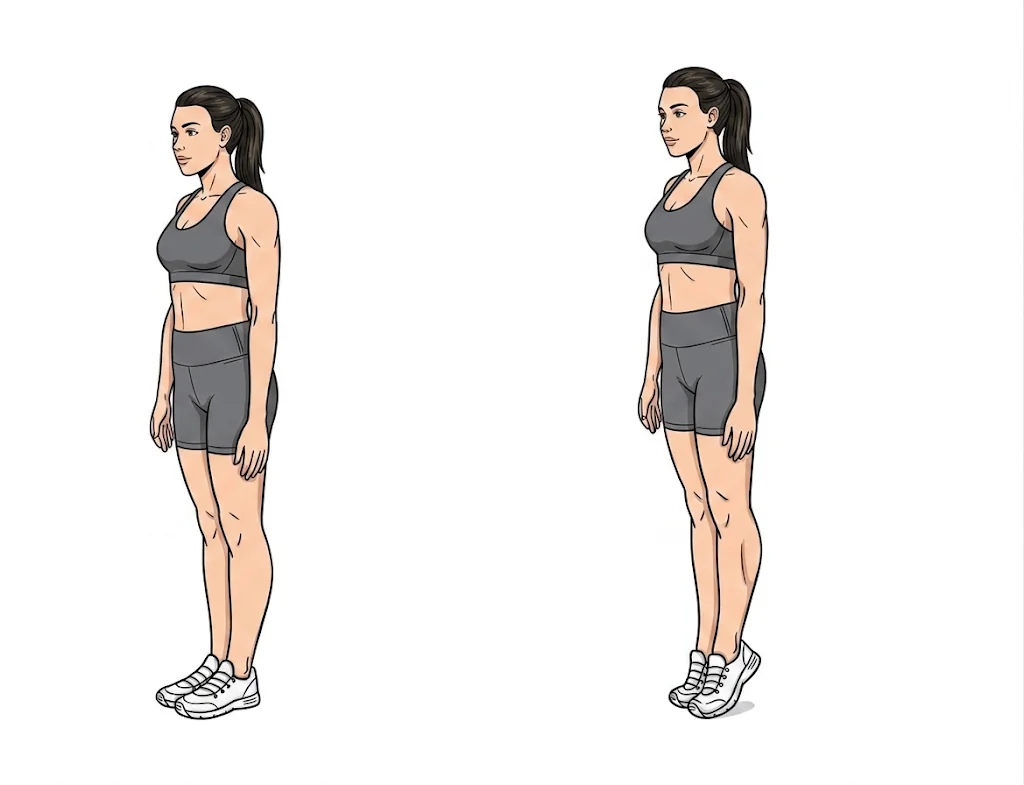
This provides a gentle myofascial release for the sole of the foot and helps manage pain and tightness.
How to do it:
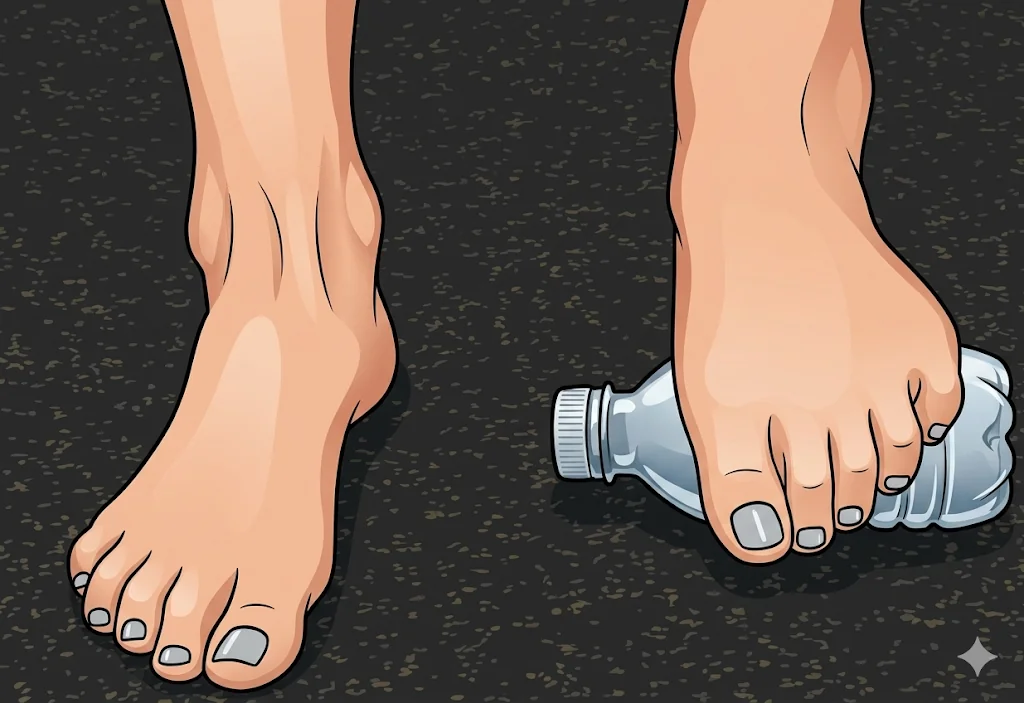
Improving ankle mobility helps distribute load more evenly across the foot and reduces stress at the heel.
How to do it:
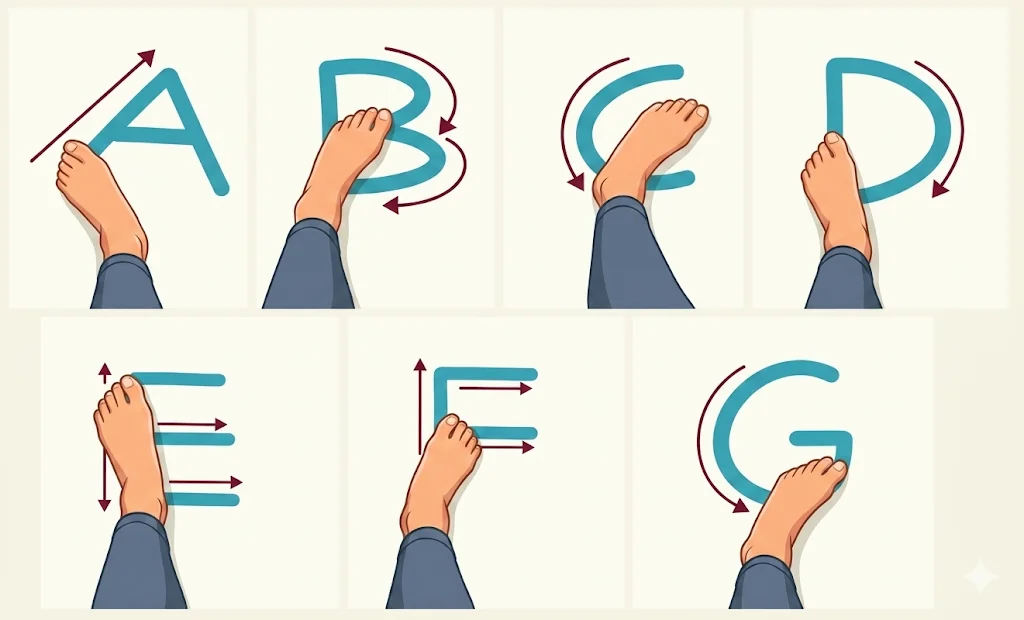
Beyond exercises, a professional physiotherapist may use additional techniques as part of a comprehensive plantar fasciitis treatment plan:
If you are unsure where to start, our team at Healyos offers physiotherapy at home in Pune so that you can receive expert care without stepping out. Alternatively, you can connect via online physiotherapy consultation from the comfort of your home.
Q1. How long does plantar fasciitis take to heal with physiotherapy?
With a consistent physiotherapy programme, most patients experience significant improvement within 6-8 weeks. More chronic cases may take 3-6 months. Early intervention leads to faster recovery, so it is advisable not to delay seeking professional assessment.
Q2. Can I exercise with plantar fasciitis?
Yes, but with modifications. High-impact activities like running and jumping should be reduced or avoided during the acute phase. Low-impact activities such as swimming or cycling are generally well-tolerated. Your physiotherapist will guide you on a return-to-activity plan suited to your condition.
Q3. What is the single best stretch for plantar fasciitis?
Doing plantar fascia-specific stretches first thing in the morning before taking any steps, is consistently rated as one of the most effective stretches for reducing heel pain in plantar fasciitis. Calf stretching is equally important as part of a complete programme.
Q4. Is walking bad for plantar fasciitis?
Moderate walking in supportive footwear is generally acceptable and may even aid recovery. However, prolonged walking on hard surfaces, barefoot walking, or walking in unsupportive flat shoes can aggravate the condition. Listen to your pain levels and consult your physiotherapist for personalised advice.
Q5. Can plantar fasciitis come back after treatment?
Yes, recurrence is possible, particularly if the underlying contributing factors such as tight calves, poor footwear, or training errors.. A maintenance exercise programme and footwear awareness go a long way in preventing recurrence.