
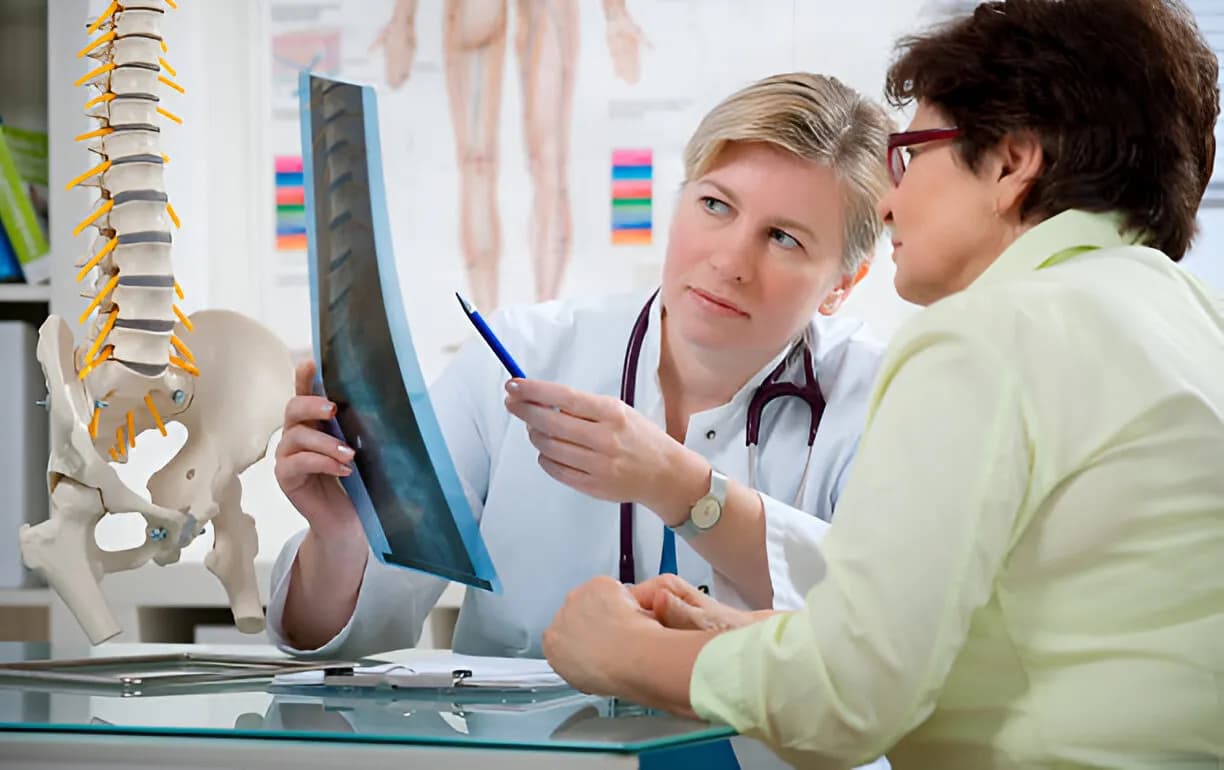
Back pain is a common complaint that affects people of all ages and lifestyles. Diagnosing its underlying causes requires a thorough spine examination to determine the source of the discomfort and inform an effective treatment plan.
Physical examination techniques play a critical role in this process, helping healthcare professionals pinpoint the issue and recommend appropriate interventions.
This comprehensive guide explores key techniques for low back pain assessment, including lumbar spine examination, and explains how these methods are used to diagnose back pain.
A physical examination is an essential first step in understanding back pain. It allows healthcare providers to evaluate your symptoms, observe movement limitations, and identify potential structural or neurological issues. These evaluations help differentiate between common conditions like muscle strain and more complex issues like herniated discs or spinal stenosis.
A comprehensive low back pain assessment typically includes the following steps:
Before performing any physical tests, the healthcare provider will review your medical history, which may include:
Understanding your history helps the provider narrow down potential causes and identify red flags that require further investigation.
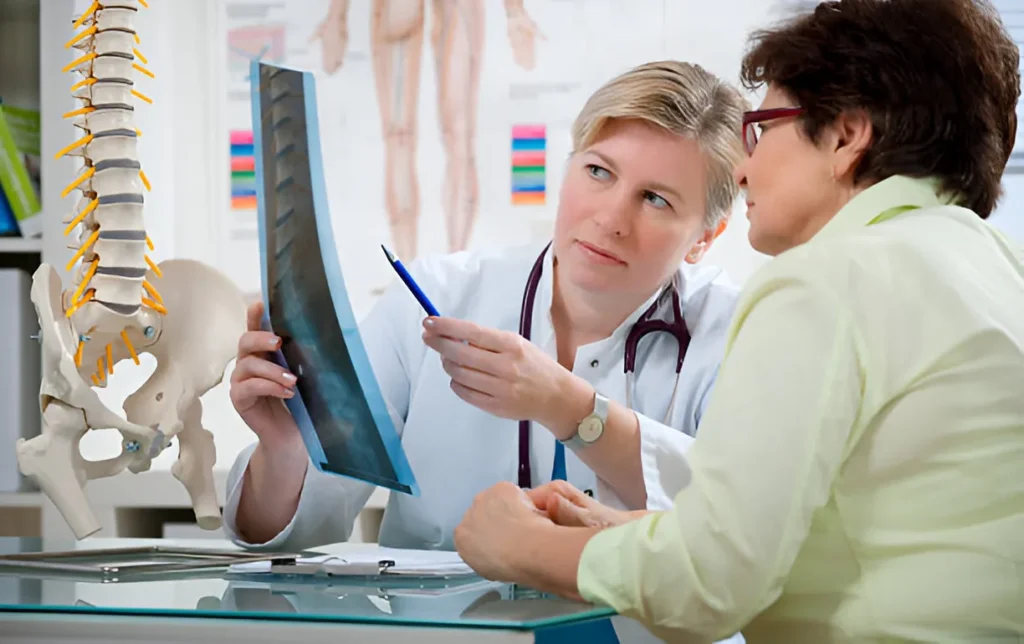
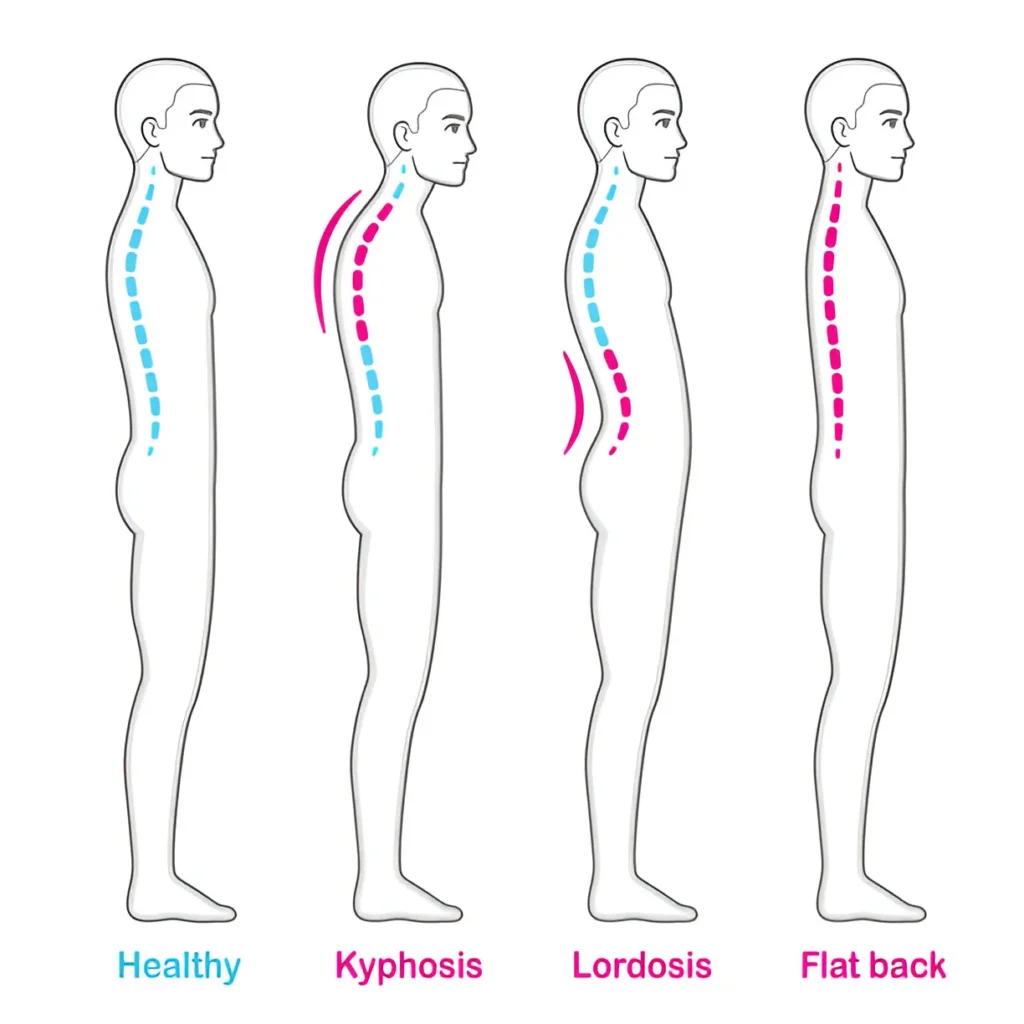
The provider visually examines your posture, alignment, and any visible abnormalities in the back or spine. Key observations include:
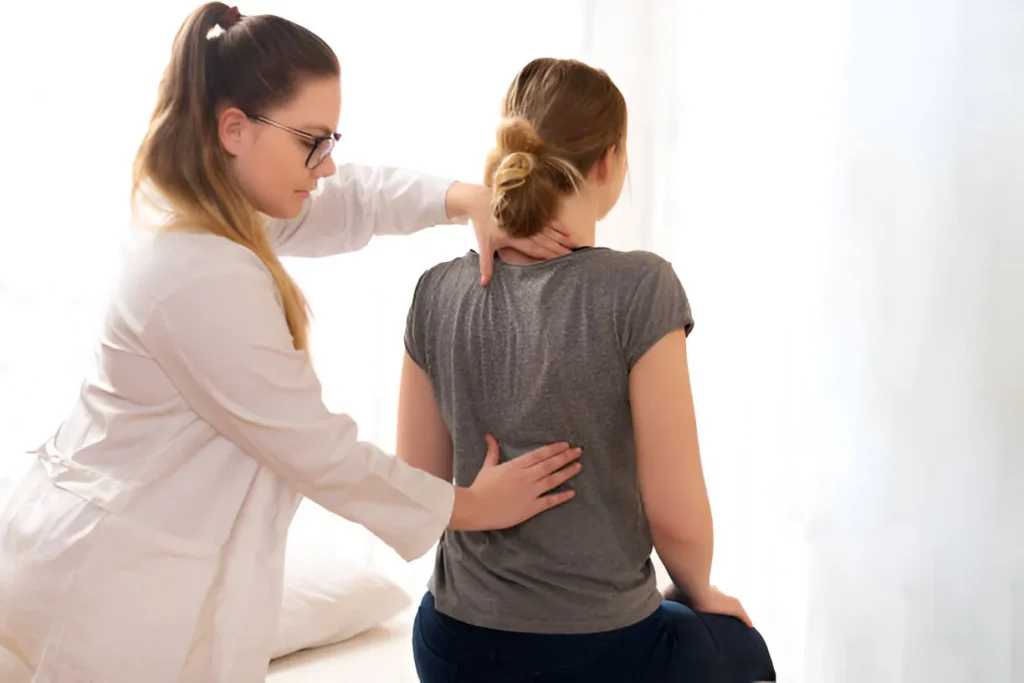
Palpation involves gently pressing on specific areas of the back to assess tenderness, muscle tightness, or swelling. It helps identify:
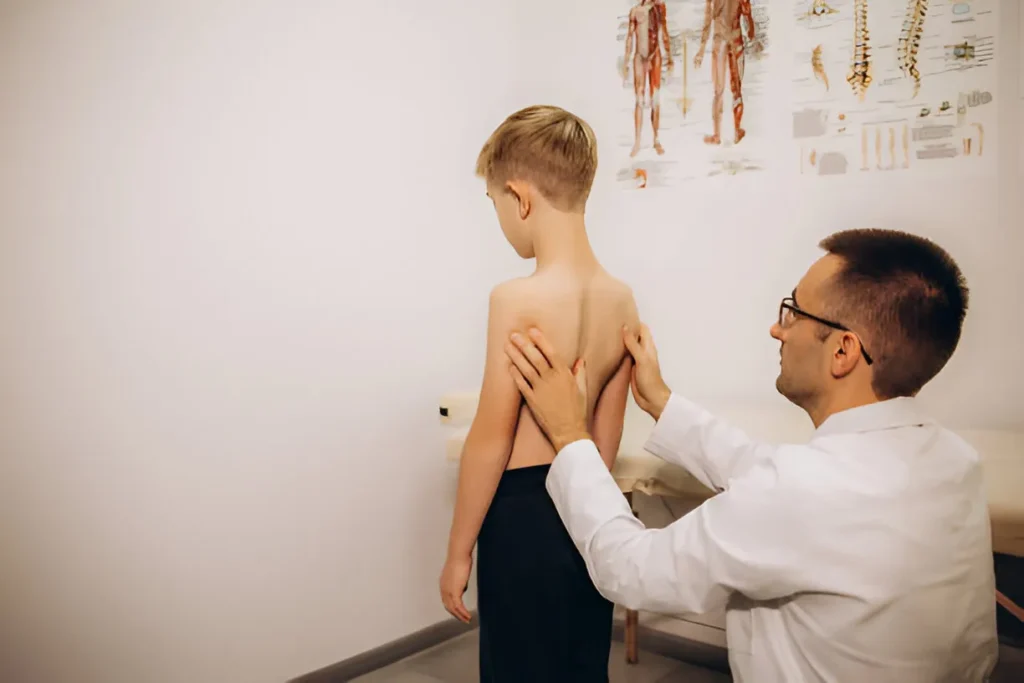
A spine examination focuses on evaluating the mobility, flexibility, and stability of the spine. Common techniques include:
These tests assess how far you can move your spine in different directions, including:
Any restrictions or pain during these movements can provide clues about the underlying issue.
If nerve involvement is suspected, a neurological exam may include:
Observing how you walk can reveal abnormalities in movement, balance, or posture that may contribute to back pain.
The SLR test evaluates nerve irritation or compression, particularly in cases of sciatica or herniated discs. During the test:
The lumbar spine examination focuses specifically on the lower back, as this region is a common site for pain. Techniques include:
The provider gently presses along the lower spine and surrounding muscles to identify areas of tenderness or stiffness.
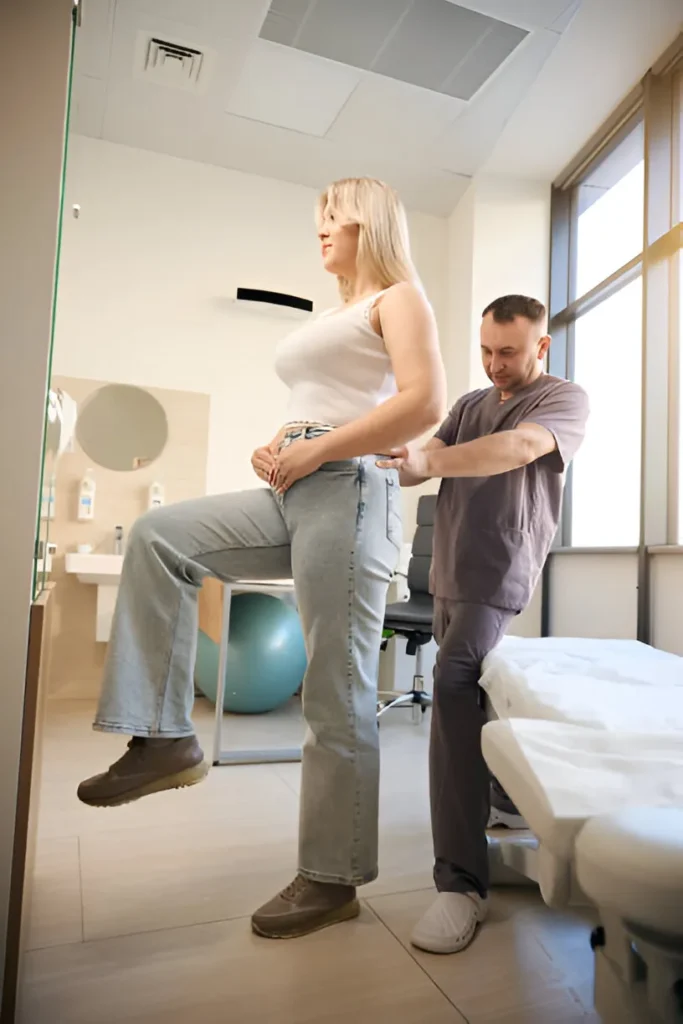
This technique involves guiding the patient through specific movements to assess pain patterns and determine whether they improve or worsen with motion.

Used to evaluate lower back stability, the stork test requires the patient to stand on one leg while extending the spine. Pain during this test may indicate spondylolysis or other lower back conditions.
Certain findings during a physical examination may indicate more serious conditions requiring immediate attention:
While a physical examination provides valuable insights, imaging tests are often necessary for a definitive diagnosis. Common imaging techniques include:
Imaging is typically recommended if symptoms persist despite initial treatment or if red flags are identified during the examination.
A comprehensive physical examination offers several advantages:
The findings from a physical examination guide treatment recommendations, which may include:
Targeted exercises to strengthen muscles, improve flexibility, and enhance posture.
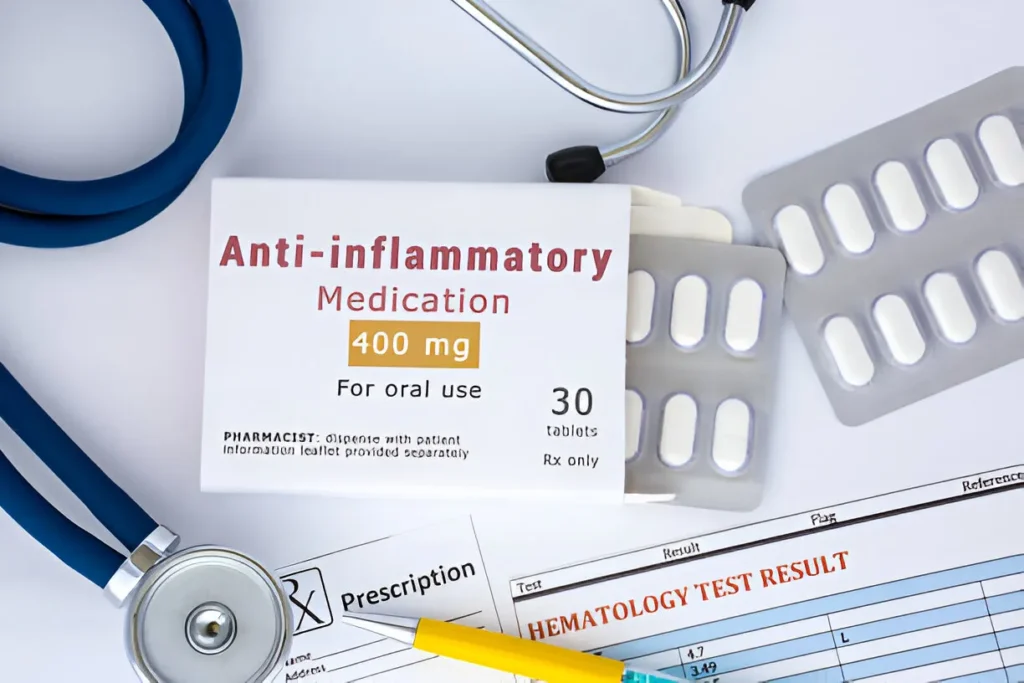
Pain relievers, anti-inflammatory drugs, or muscle relaxants to manage symptoms.

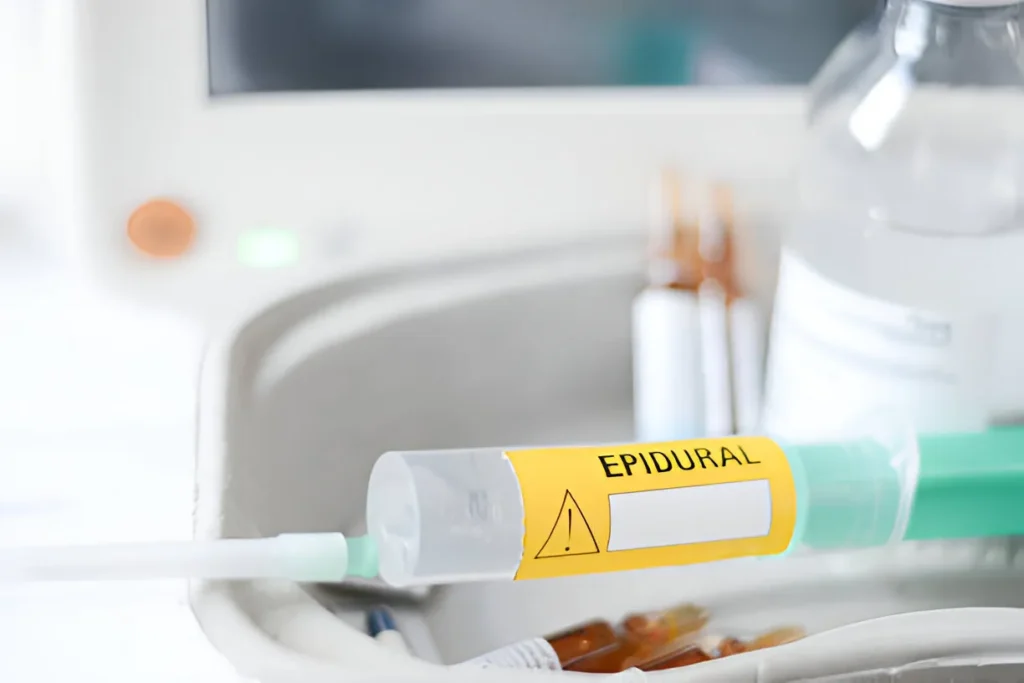
For severe cases, interventions like epidural injections or surgery may be necessary.
At Healyos, we understand how debilitating back pain can be and the importance of accurate diagnosis for effective treatment. Our expert physiotherapists specialize in low back pain assessment, lumbar spine examination, and comprehensive spine examination techniques to uncover the root cause of your discomfort.
With personalized care plans, including physical therapy, posture correction, and targeted exercises, we are committed to helping you achieve lasting relief and improved mobility. Whether you’re dealing with mild discomfort or severe pain, Healyos is here to support you every step of the way.
Take the first step toward a pain-free life – contact Healyos today and let our expert team guide you toward better spinal health!