

Spondylosis is a degenerative spine condition often caused by aging, poor posture, repetitive stress, or past injuries. It can lead to pain, stiffness, and reduced mobility in the neck or lower back. While medications and therapy may offer temporary relief, incorporating the right spondylosis exercises into your daily routine can dramatically improve spinal health, ease discomfort, and enhance your quality of life.
With this blog, we will walk you through the best physiotherapy for spondylosis, including safe and effective neck spondylitis exercises, mobility drills, strengthening techniques, and even some yoga for cervical spondylosis – all grounded in proven physiotherapy principles.
The spine thrives on movement. With cervical spondylosis, immobility or poor posture only worsens pain and stiffness. Regular, targeted exercises help by:
Consistency is key. You don’t need high-impact workouts—gentle, purposeful movement goes a long way.
Before diving into specific cervical spondylosis exercises, start with 5 to 10 minutes of low-impact movement to loosen up:
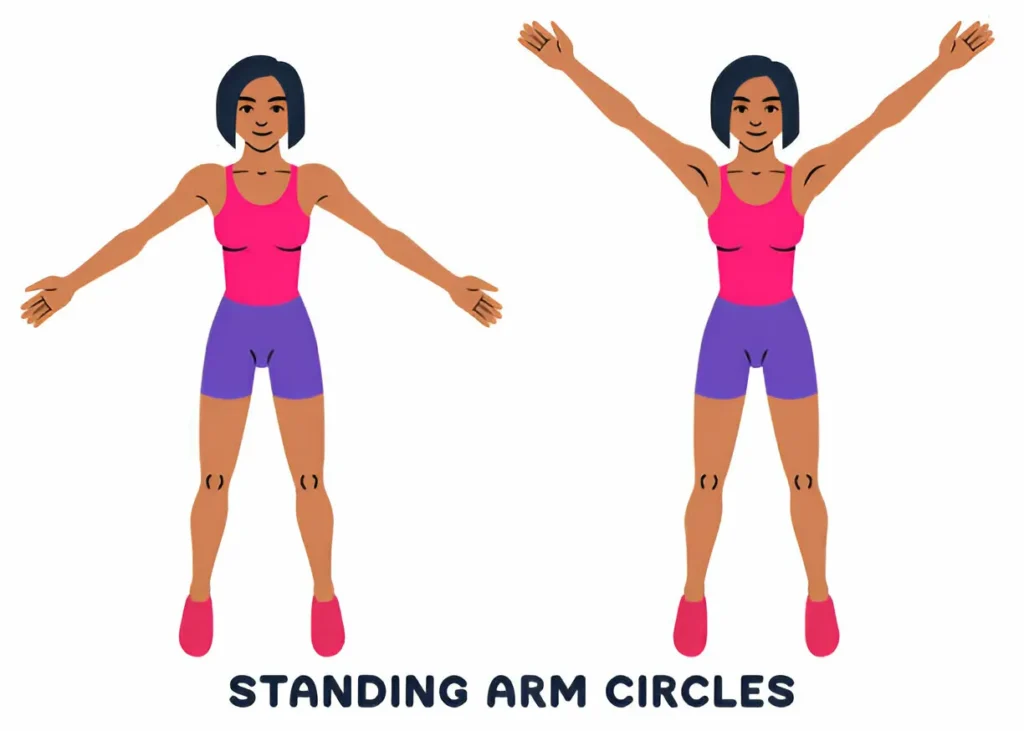
These simple drills prepare your muscles and joints, making the exercises more effective and safer.
Here are the most recommended neck spondylosis exercises from physiotherapists:
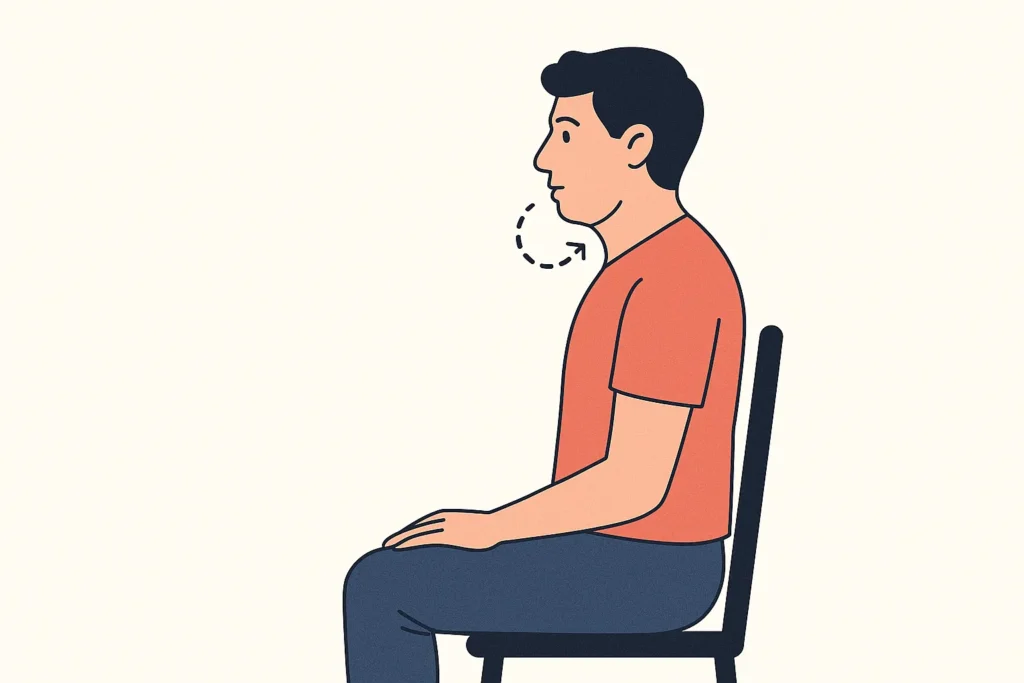
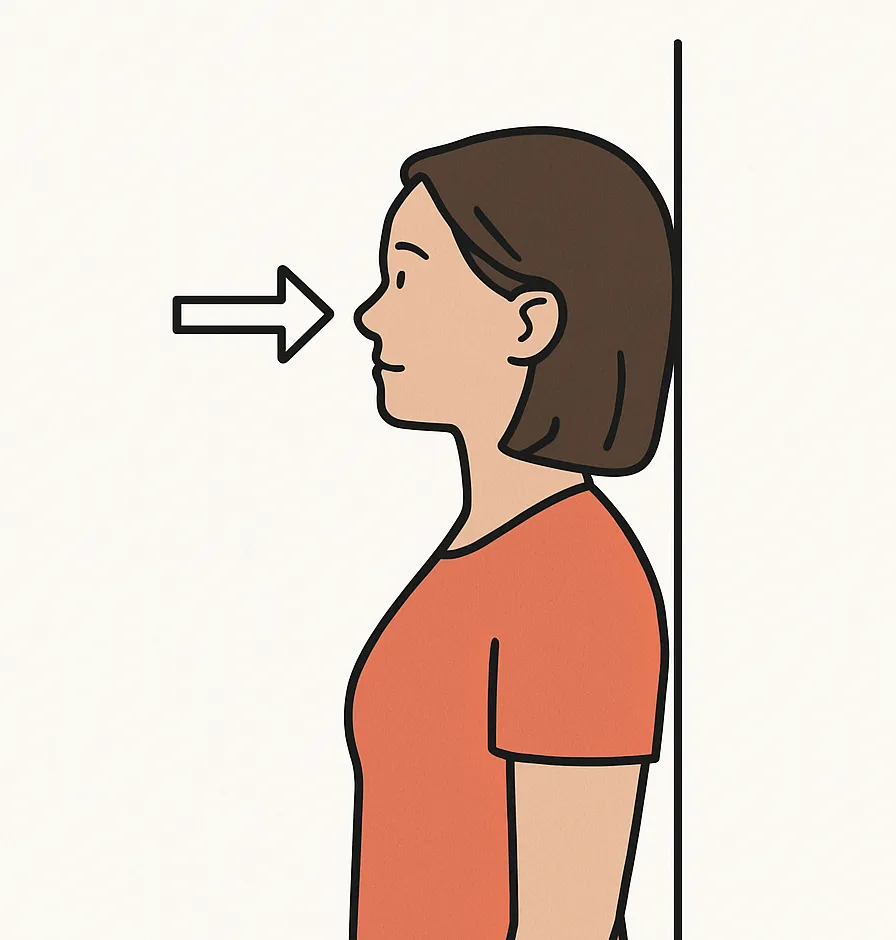
2. Neck Retraction Against Wall
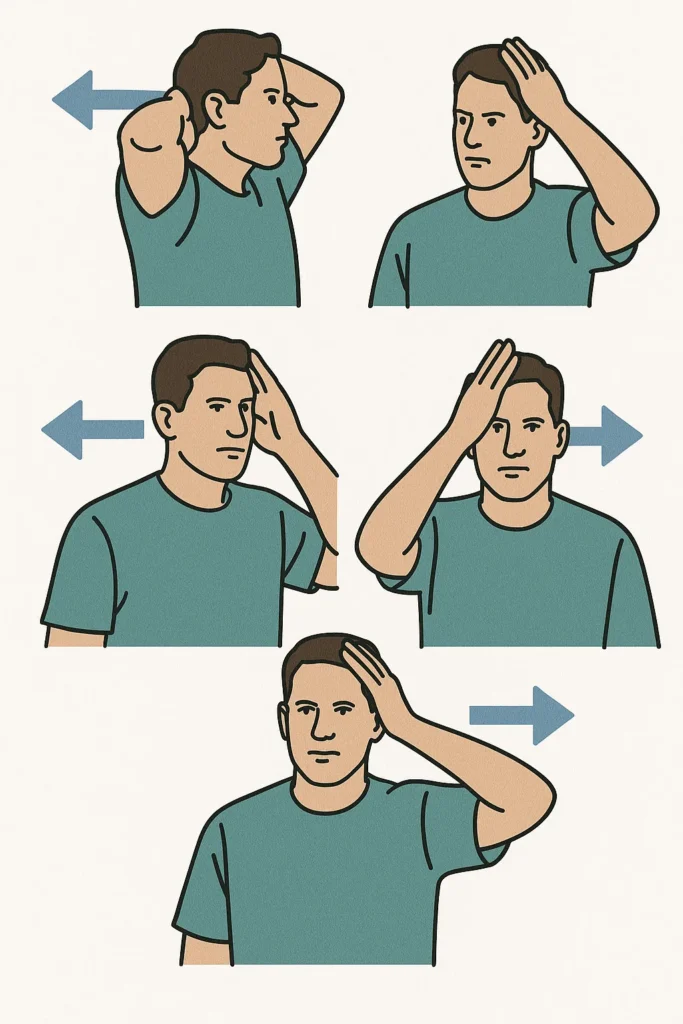
3. Isometric Neck Holds
4. Upper Trapezius Stretch
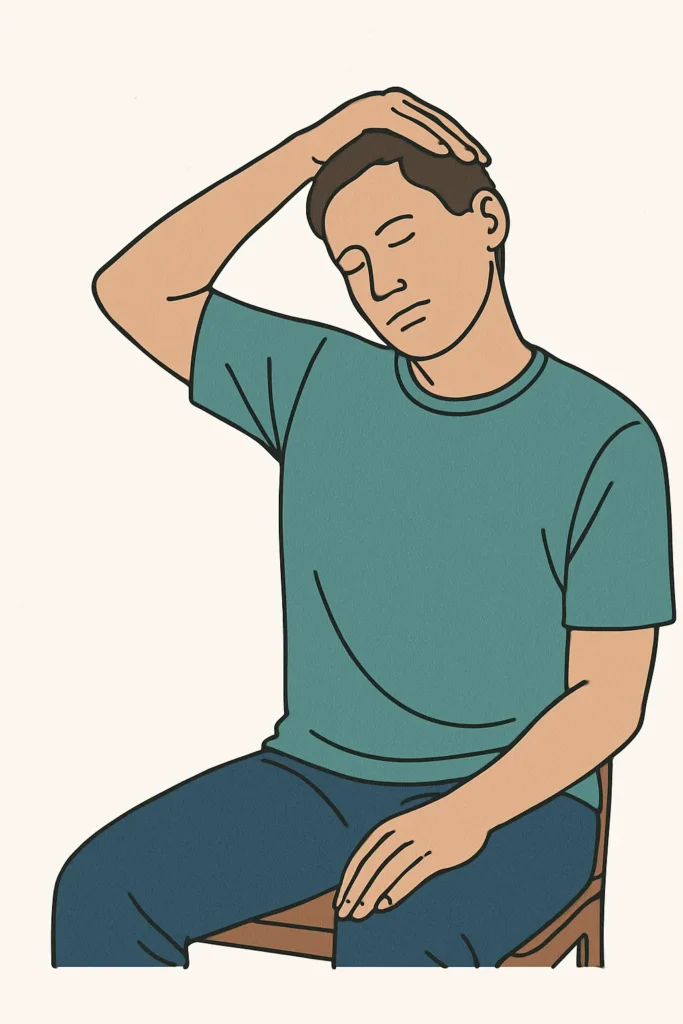
5. Scapular Squeezes
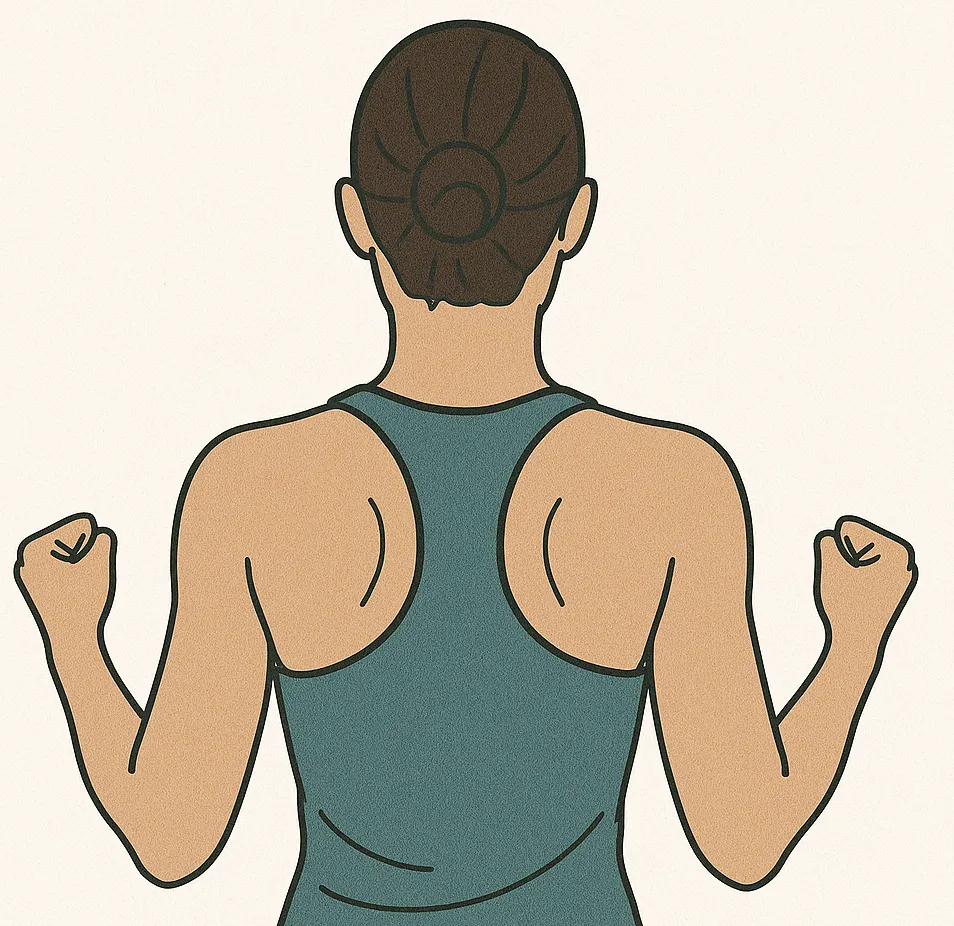
These movements form the core of cervical spondylosis physiotherapy treatment and can be done daily.
A combination of mobility-focused exercises ensures that the neck doesn’t become rigid:
Avoid jerky movements and only go as far as comfort allows. These neck exercises for cervical spondylosis help restore range of motion without aggravating symptoms.
Many patients find yoga for cervical spondylosis incredibly effective due to its focus on breath, alignment, and gentle stretching. These beginner-friendly poses are worth trying:
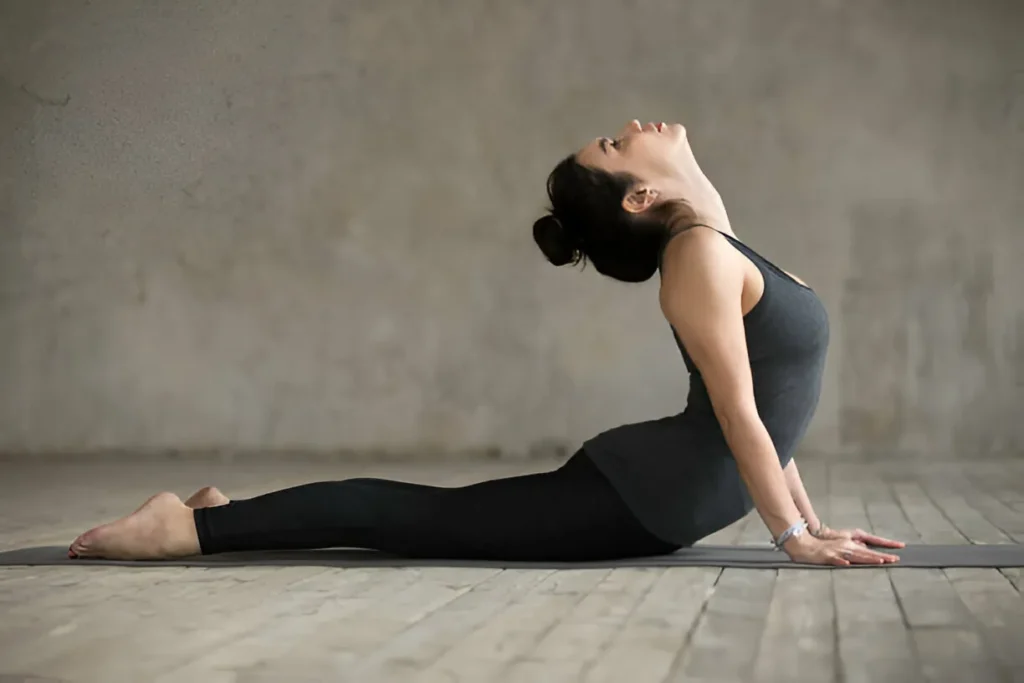
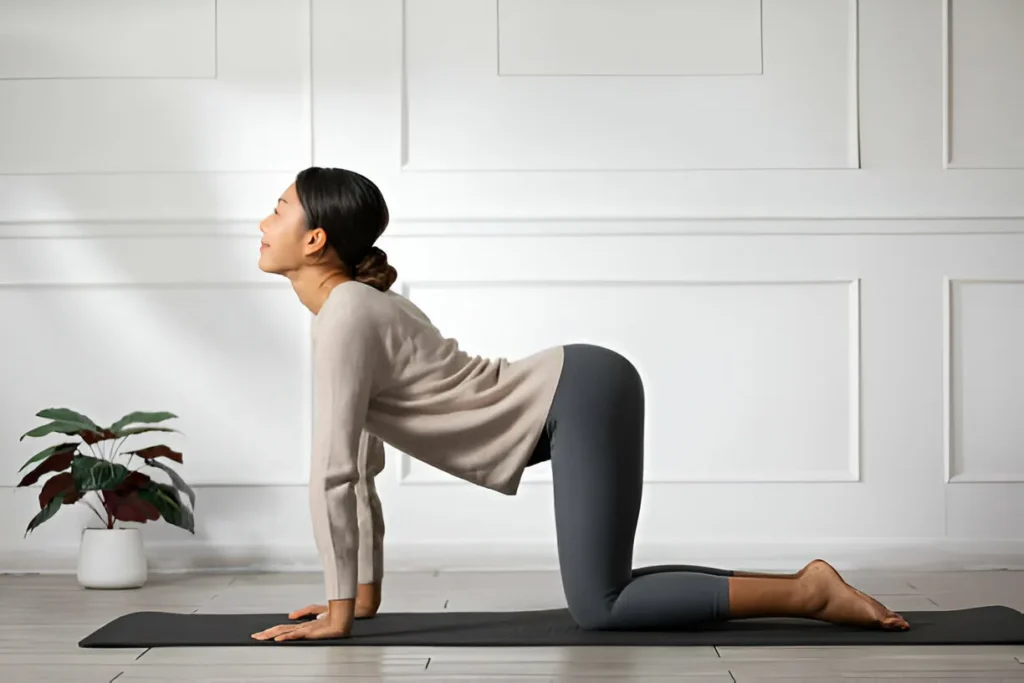
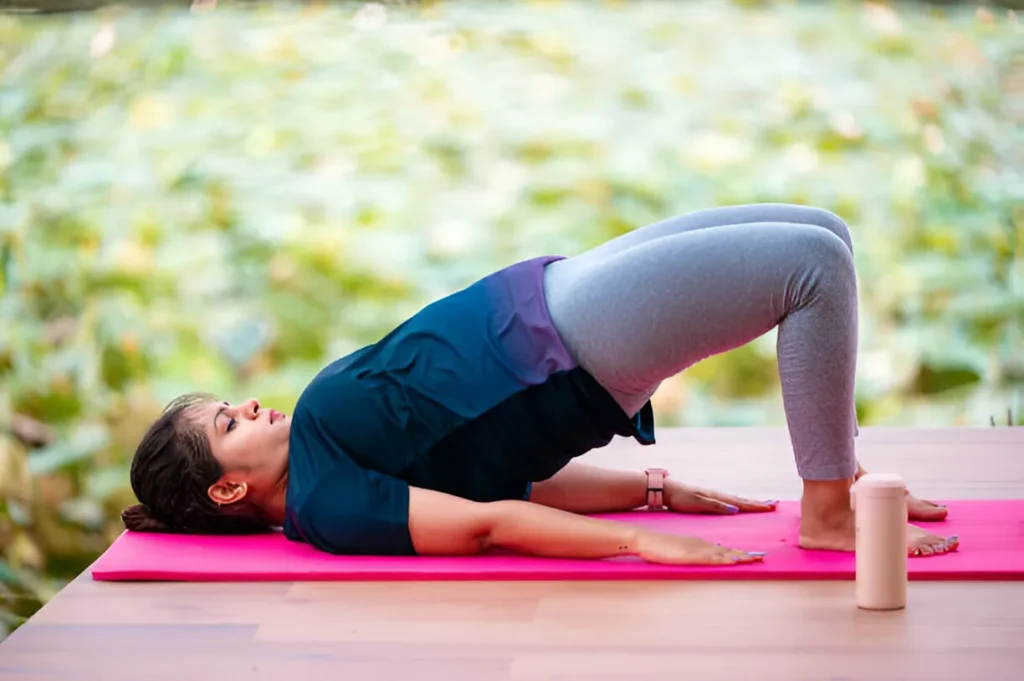
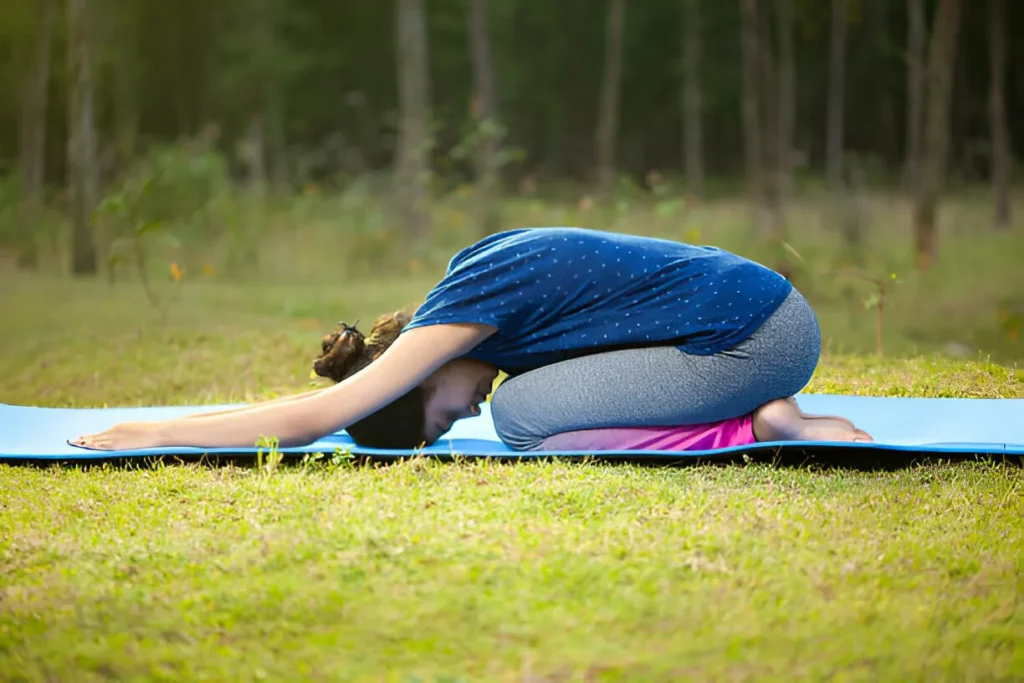
While often used interchangeably, spondylitis is inflammatory and spondylosis is degenerative. If you suspect an inflammatory condition like ankylosing spondylitis, consult a doctor before starting exercises. However, gentle movements like the ones mentioned here can benefit both.
The key difference between spondylosis and spondylitis lies in their treatment approach — People with spondylitis may benefit more from flexibility exercises and anti-inflammatory care, whereas those with spondylosis need mobility plus strengthening.
A strong core reduces stress on the spine. Include the following in your physiotherapy exercises for cervical spondylosis program:
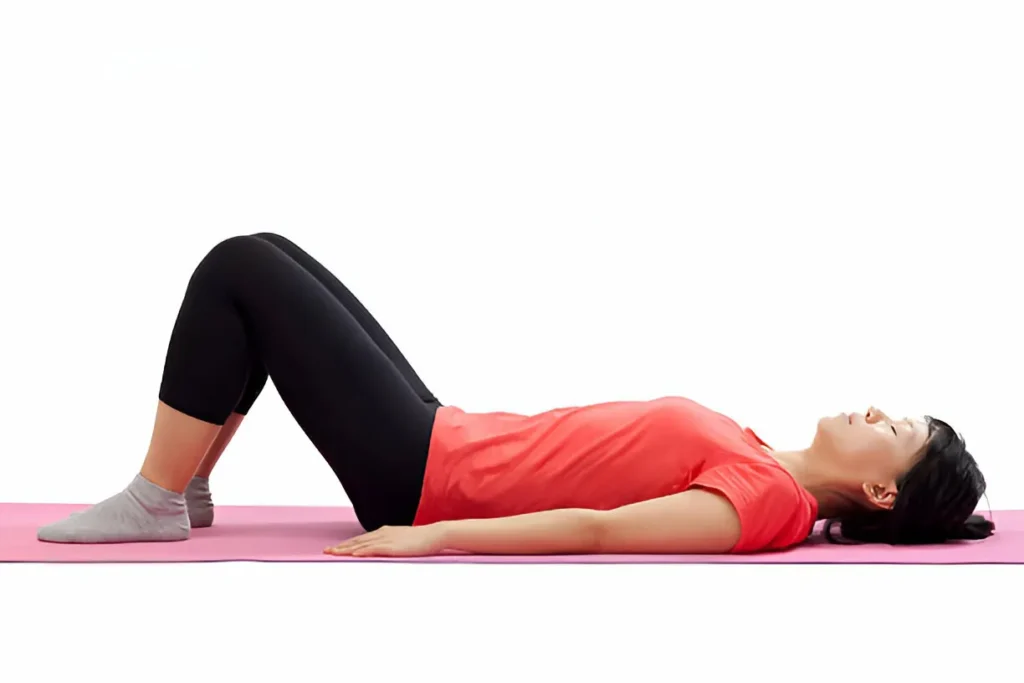
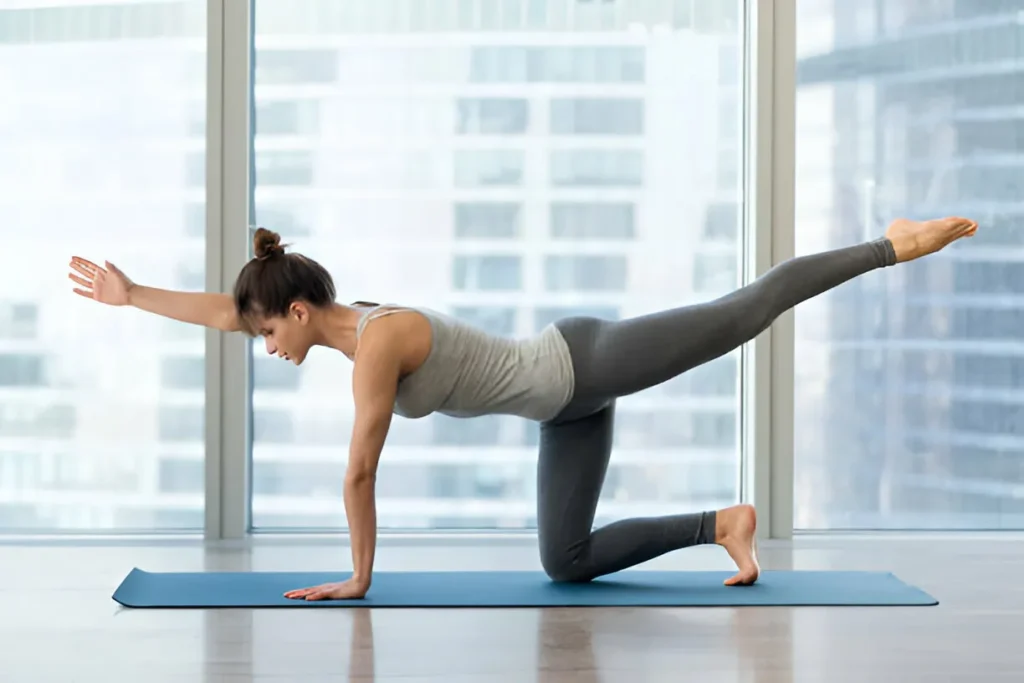
These are effective for improving posture and spinal endurance.
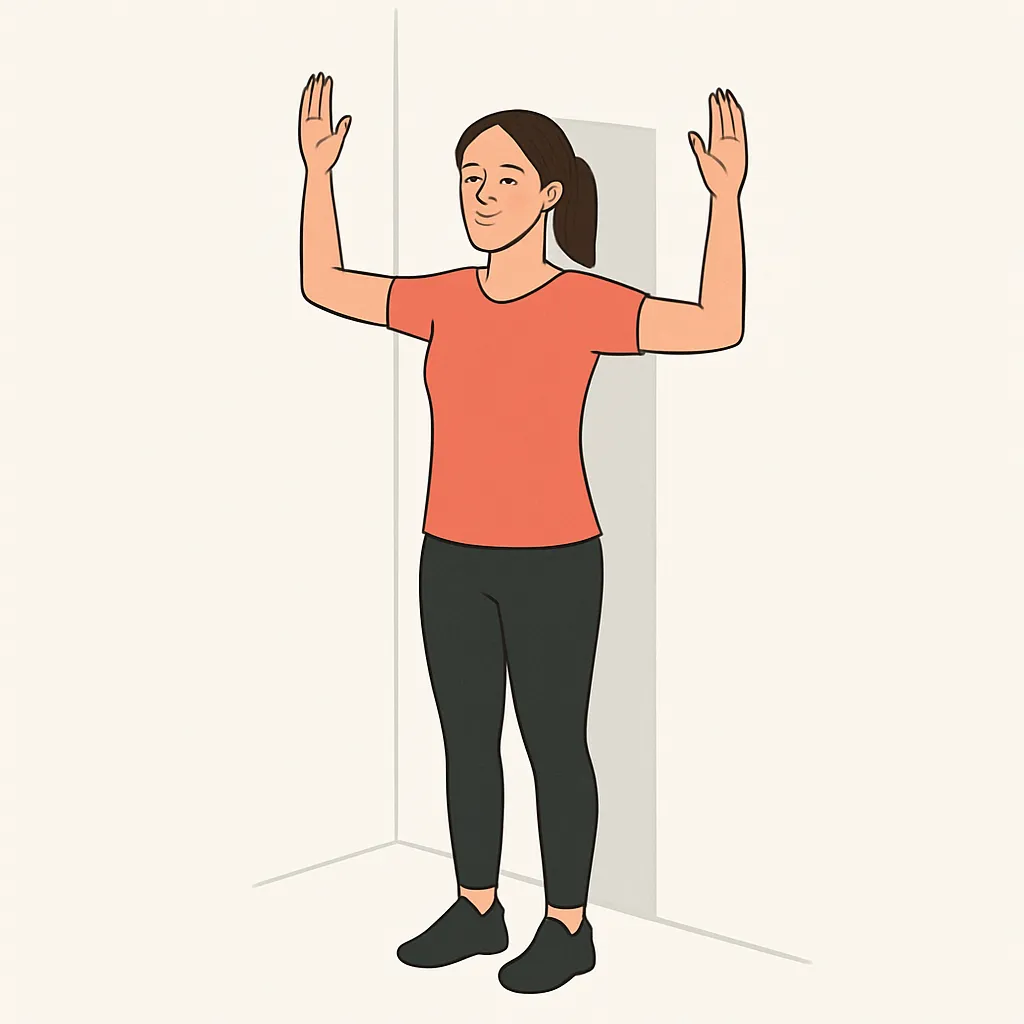
Exercise should not worsen your symptoms. Follow these safety tips:
Consistency is more important than intensity. Start small and gradually increase duration or reps.
While many cervical spondylitis treatment exercises can be done at home, professional cervical spondylosis physiotherapy is invaluable when:
Physiotherapists use manual therapy, posture correction, and personalized programs to restore movement and reduce discomfort.
At Healyos, our physiotherapists understand how spondylosis can impact your daily life. Whether you’re dealing with mild stiffness or ongoing neck pain, we provide a structured, evidence-based exercise regimen tailored to your condition.
We combine cervical spondylosis physiotherapy treatment, postural training, and hands-on therapy to help you return to full function. Our goal is simple: to help you move pain-free, confidently, and independently.
You don’t have to live with chronic stiffness or pain. With the right neck spondylosis exercises, posture awareness, and professional guidance, spondylosis can be managed effectively.
Make movement your medicine. Start small. Be consistent. And when needed, trust a physiotherapist to guide you back to comfort.