

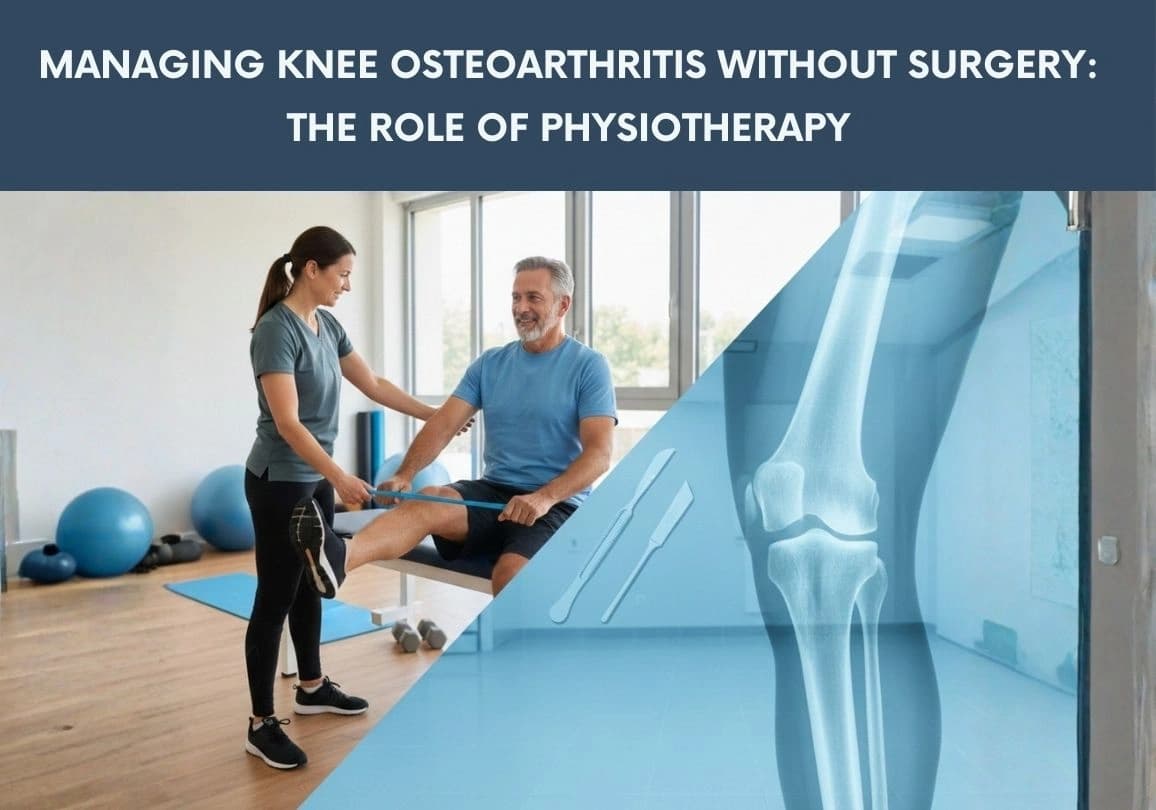
Knee osteoarthritis can be effectively managed without surgery through physiotherapy, which includes targeted exercises, manual therapy, pain management techniques, and lifestyle modifications that strengthen muscles, improve joint mobility, and reduce inflammation. For many patients, a comprehensive physiotherapy program offers significant pain relief and functional improvement, delaying or eliminating the need for surgical intervention.
If you’re one of the millions living with knee osteoarthritis, you’ve likely wondered whether surgery is your only option for relief. The good news? It’s not. Physiotherapy for knee osteoarthritis has emerged as a powerful, evidence-based approach that helps manage pain, restore function, and improve quality of life—all without going under the knife.
Osteoarthritis of the knee is a degenerative joint disease where the protective cartilage that cushions the ends of bones gradually wears down over time. This leads to pain, stiffness, swelling, and reduced mobility that can significantly impact daily activities.
The condition typically develops gradually and worsens over time. Common symptoms include:
While knee osteoarthritis cannot be reversed, its progression can be slowed and symptoms effectively managed through non-surgical interventions, with physiotherapy being the cornerstone of conservative treatment.
Surgery, particularly knee replacement, is often viewed as a last resort—and for good reason. Non-surgical treatment for knee osteoarthritis offers numerous advantages:
A comprehensive physiotherapy program for managing knee osteoarthritis typically includes several evidence-based interventions:
Exercise therapy forms the foundation of physiotherapy for knee osteoarthritis. A qualified physiotherapist will design a personalized program that includes:
Hands-on treatments performed by your physiotherapist can provide immediate relief and improved function:
These techniques help reduce pain, increase blood flow, and prepare the joint for exercise therapy.
Physiotherapy incorporates various methods to manage pain and inflammation:
While these modalities provide symptomatic relief, they work best when combined with active exercise programs.
An essential but often overlooked component of physiotherapy is patient education. Your physiotherapist will teach you:
Empowering patients with knowledge and self-management skills leads to better long-term outcomes.
Your first physiotherapy session will involve a comprehensive evaluation including:
Based on this assessment, your physiotherapist will develop an individualized treatment plan customized to your specific needs, goals, and lifestyle.
Most physiotherapy programs for knee osteoarthritis involve:
Significant improvement typically occurs within 6-12 weeks, though individual results vary based on severity, consistency, and overall health.
Your physiotherapist will regularly assess improvements in:
While physiotherapy is the primary treatment, several complementary strategies can enhance results:
For every pound of weight lost, there’s a four-pound reduction in knee joint stress during walking. Even modest weight loss can significantly reduce knee osteoarthritis pain and slow progression.
Your physiotherapist may recommend:
While diet doesn’t cure osteoarthritis, anti-inflammatory foods and adequate vitamin D and calcium support overall joint health and may complement physiotherapy efforts.
Learning to adapt activities rather than avoiding them entirely helps maintain function while protecting the joint. Your physiotherapist can suggest modifications for sports, exercise, and daily tasks.
While physiotherapy is highly effective for many patients with knee osteoarthritis, surgery may be considered when:
Even in these cases, pre-surgical physiotherapy (prehabilitation) improves surgical outcomes and speeds post-operative recovery.
Most patients begin noticing improvements in pain and function within 3-4 weeks of starting a consistent physiotherapy program. However, significant and lasting results typically develop over 8-12 weeks. The timeline varies based on the severity of your osteoarthritis, your overall health, adherence to the home exercise program, and whether you’re addressing contributing factors like excess weight.
Physiotherapy cannot reverse the cartilage damage that has already occurred in knee osteoarthritis, as cartilage has limited regenerative capacity. However, it does far more than just mask symptoms. Research shows that exercise therapy and physiotherapy can slow disease progression, improve the health of remaining cartilage, strengthen supporting structures, and even stimulate the production of natural lubricating fluid in the joint.
Yes, exercise is not only safe but essential for managing knee osteoarthritis, even when experiencing pain. The old advice of “rest until it doesn’t hurt” is now known to be counterproductive, as immobility leads to muscle weakness, stiffness, and faster disease progression.
While home exercises are an important component of treatment, working with a qualified physiotherapist offers several critical advantages. First, a physiotherapist conducts a comprehensive assessment to identify specific muscle imbalances, movement patterns, and biomechanical issues contributing to your symptoms.
Second, they design a personalized program targeting your specific deficits rather than using generic exercises.
Third, they ensure you’re performing exercises with proper form and appropriate intensity—incorrect technique can worsen symptoms.
Fourth, they incorporate hands-on treatments like joint mobilization that you cannot do yourself.
Finally, they adjust your program as you progress and provide accountability and motivation crucial for long-term success.
While the intensive physiotherapy phase typically lasts several months, maintaining some level of regular exercise is essential for long-term management of knee osteoarthritis. Think of it like managing other chronic conditions—just as someone with diabetes must continue healthy eating or someone with high blood pressure continues medication, knee osteoarthritis requires ongoing self-management.
However, this doesn’t mean weekly clinic visits forever. Most patients transition to a home-based maintenance program after the initial treatment phase, with periodic physiotherapist check-ins every few months. The good news is that the exercises become easier and more routine over time, and the alternative—stopping exercise—typically leads to symptom return and disease progression.