
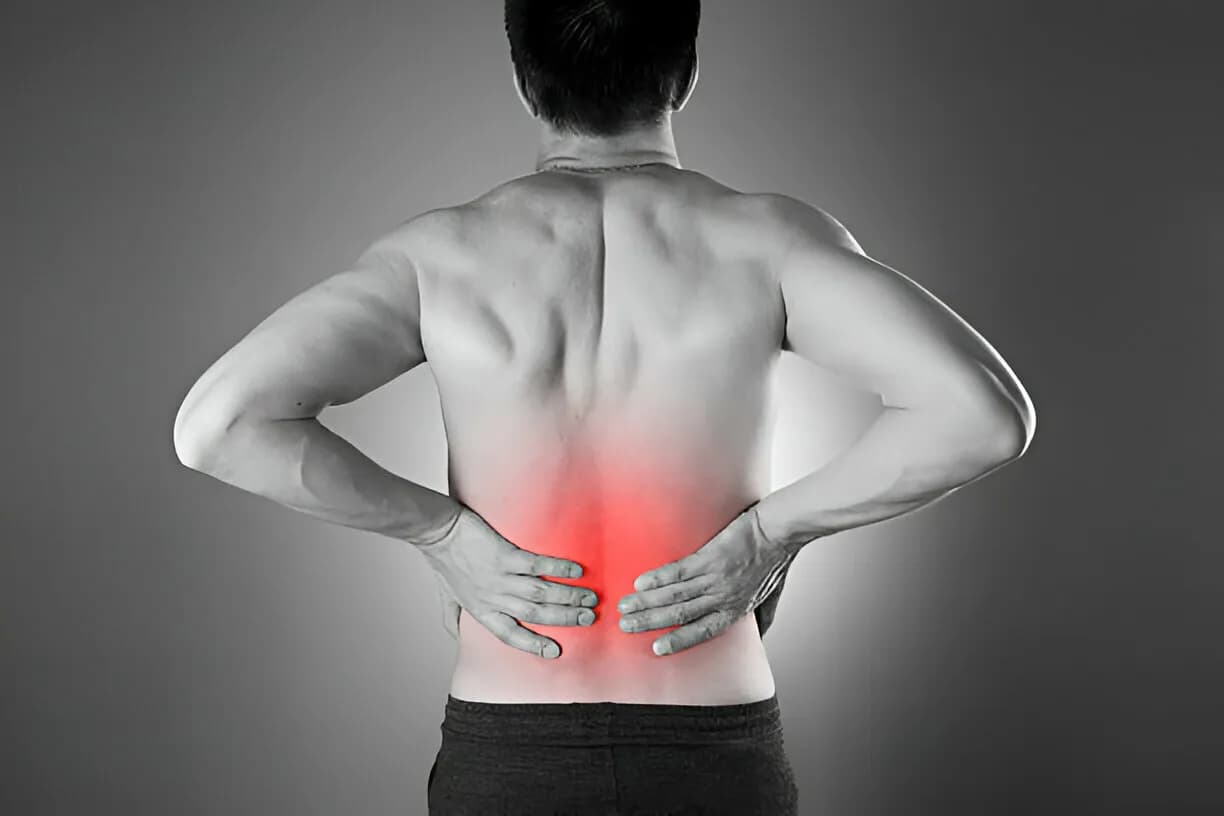
Lower back pain is one of the most common health complaints worldwide, affecting individuals of all ages and lifestyles. Whether it’s a dull ache or a sharp pain, discomfort in the lower back can hinder your ability to work, exercise, or even perform basic daily activities. Adopting preventive strategies can help alleviate this condition and improve overall quality of life.
In this comprehensive guide, we’ll discuss the reasons for lower back pain, common symptoms, effective treatments, and when to seek professional help.
The lower back, or lumbar region, consists of five vertebrae (L1-L5) and serves as the foundation for the upper body’s movement and weight-bearing. It also houses crucial components such as muscles, ligaments, and nerves. Lower back pain can arise from various causes, ranging from muscle strain to underlying medical conditions.
Understanding the lower back pain causes is essential for effective treatment. Here are some of the most common reasons for lower back pain:
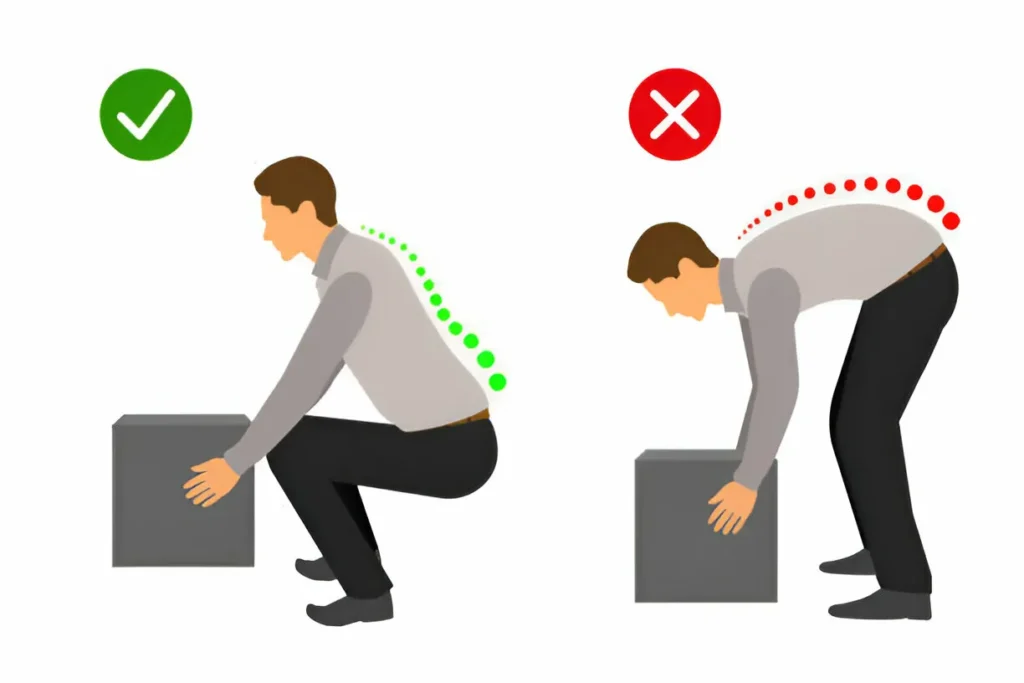
Overexertion during physical activities, improper lifting techniques, or sudden awkward movements can strain muscles and ligaments, leading to lower back pain.

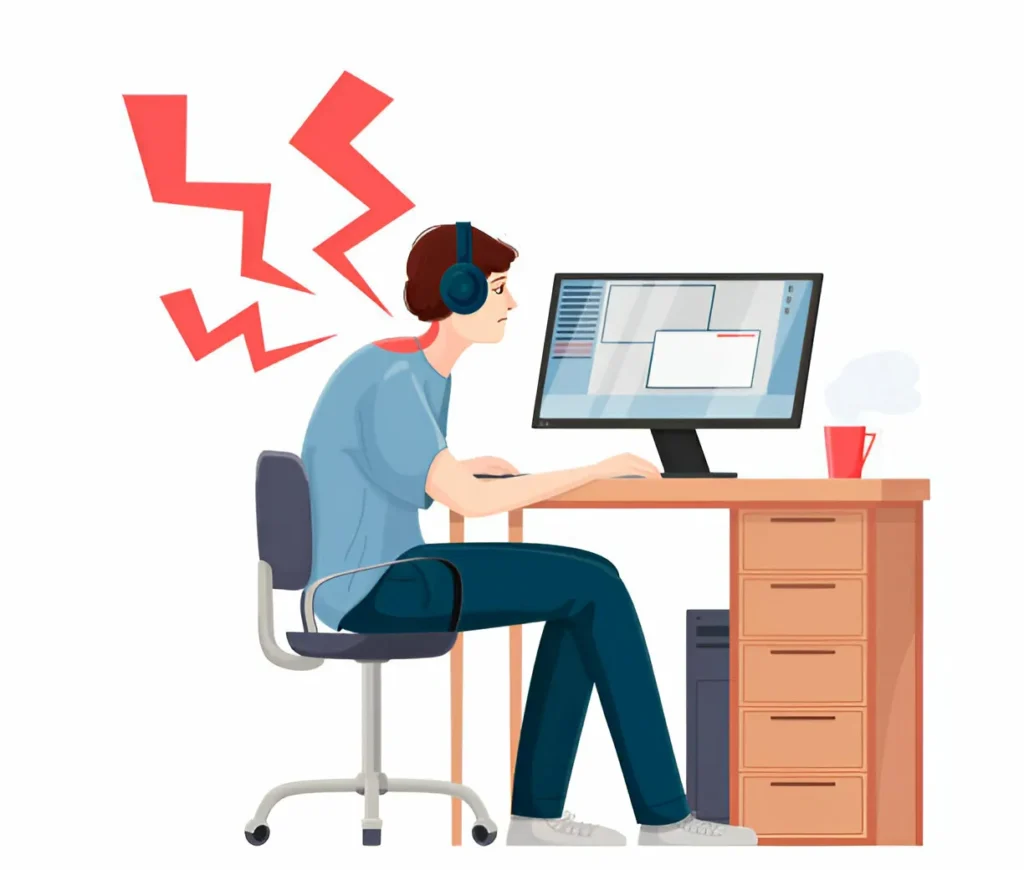
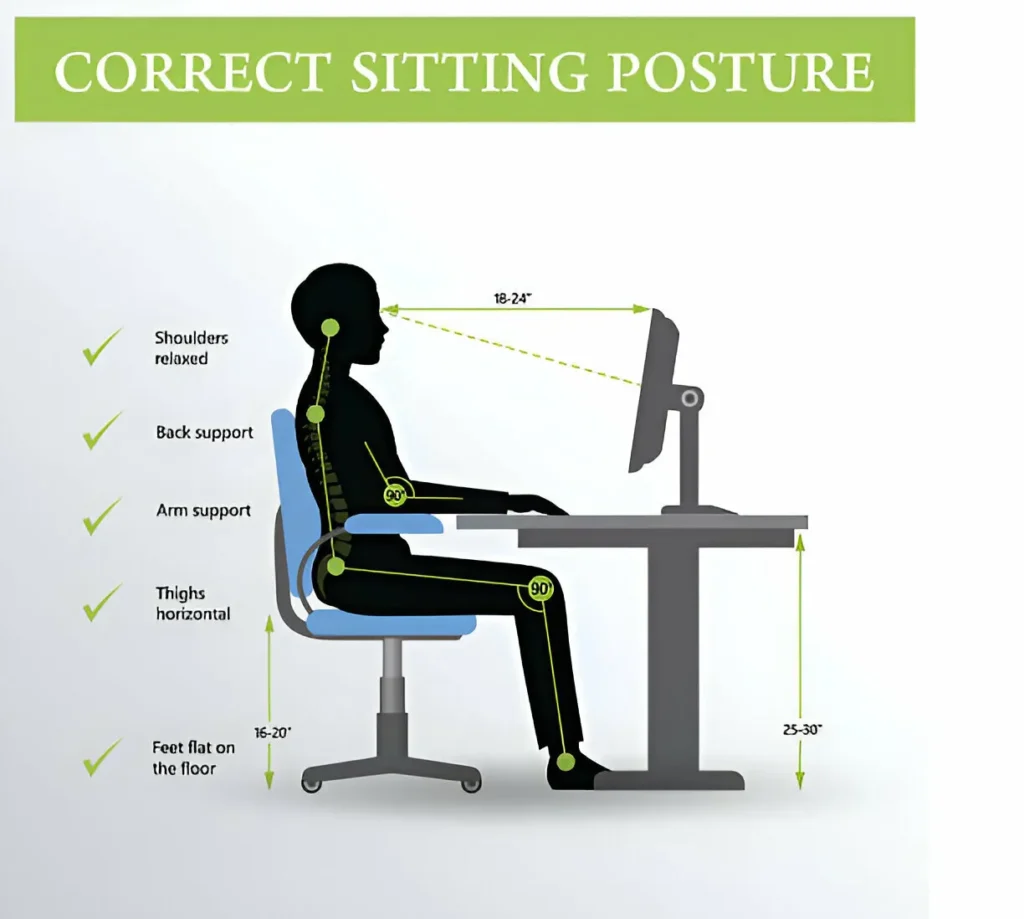
Sitting or standing with improper posture places undue stress on the lumbar spine, causing discomfort over time. Desk jobs, extended screen time, and poor ergonomics are frequent culprits.
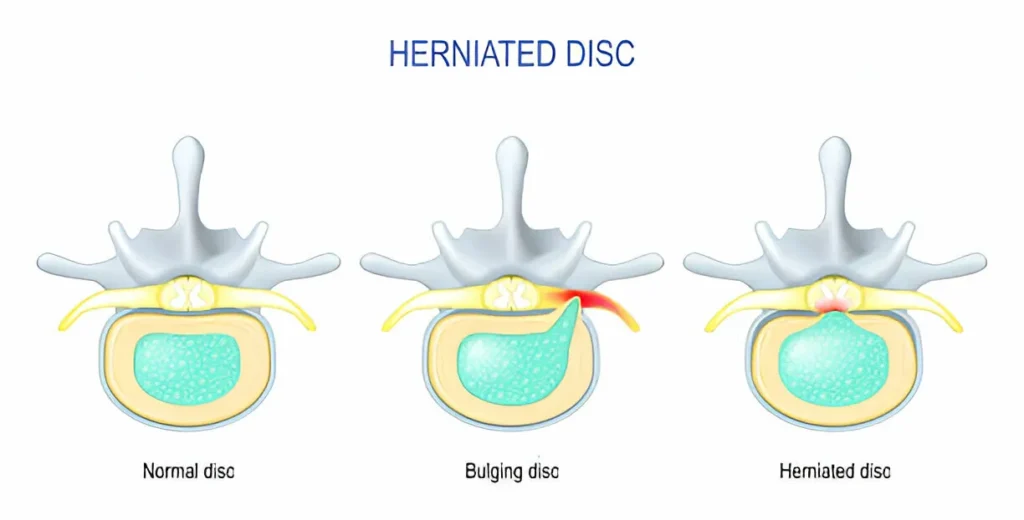
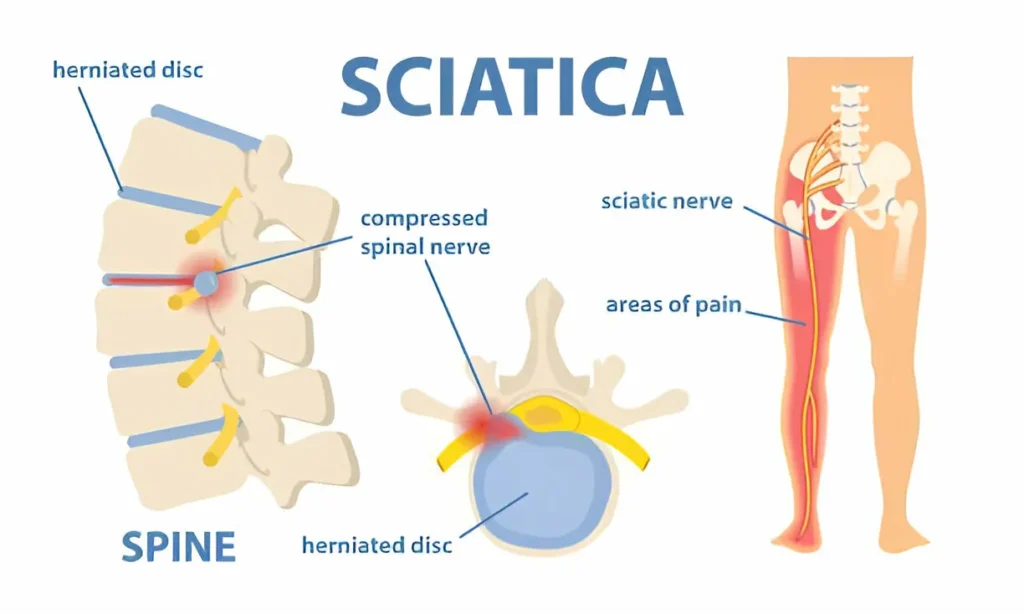
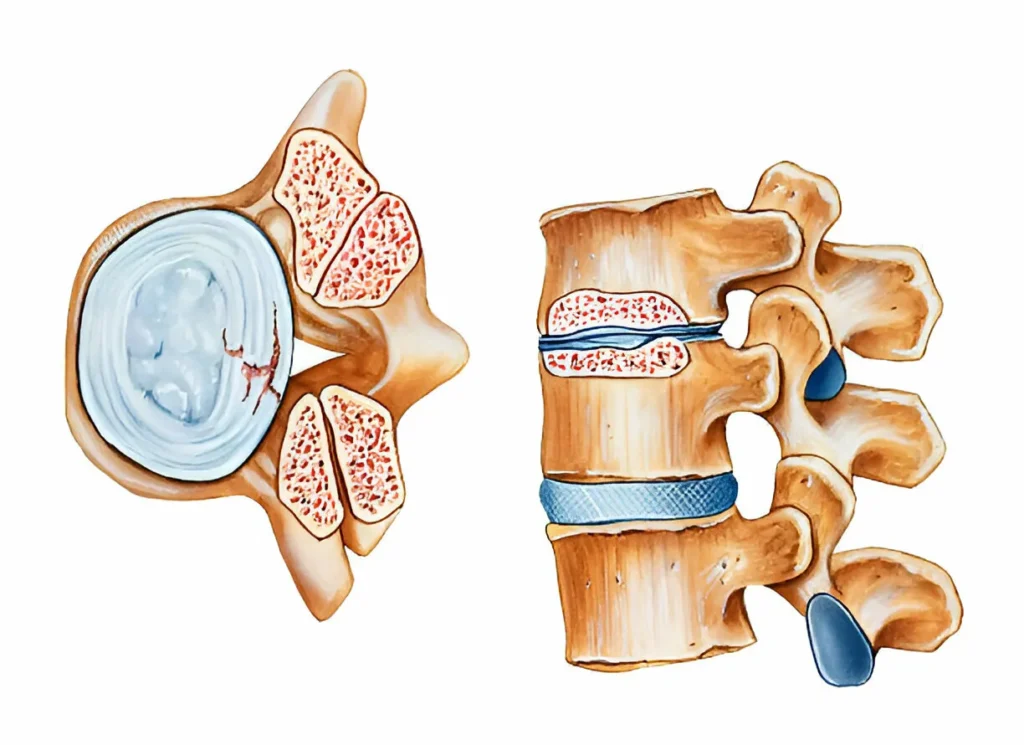
The discs in the spine act as cushions between the vertebrae. When a disc herniates or bulges, it can press on nearby nerves, causing severe pain and numbness.
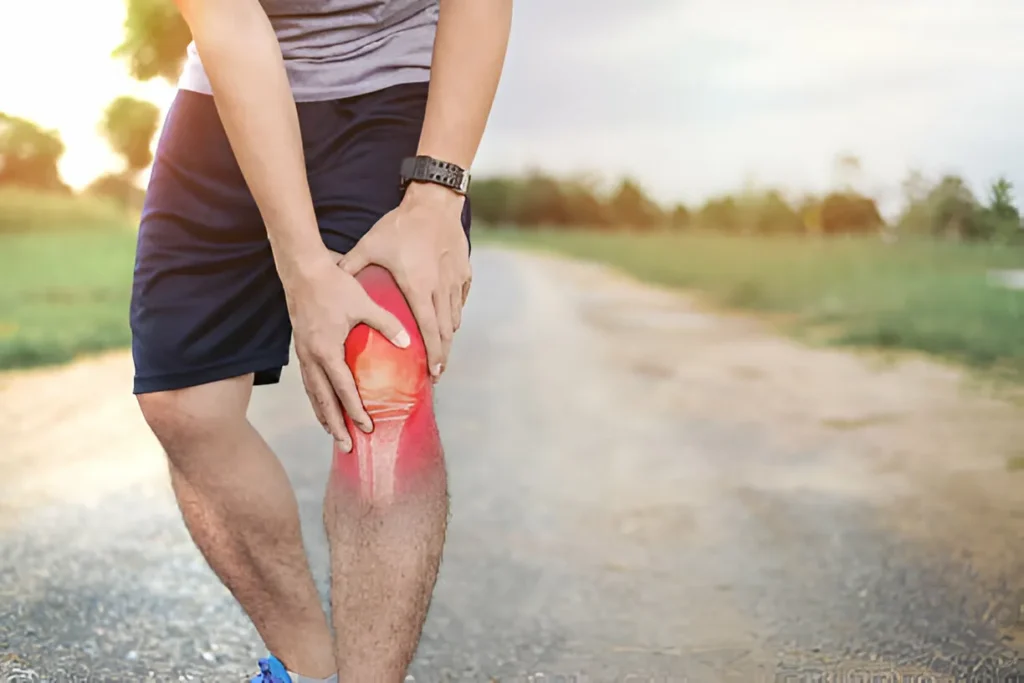
Sciatica happens when the sciatic nerve gets compressed, often by a herniated disc. It causes sharp, radiating pain that travels from the lower back down the legs.
Traumatic events such as falls, car accidents, or sports injuries can damage the vertebrae, muscles, or ligaments, resulting in acute or chronic lower back pain.

Treating lower back pain involves a combination of self-care, professional therapies, and, in some cases, medical intervention. The appropriate approach depends on the specific lower back pain causes and the severity of the condition.
Physical therapy is often the cornerstone of lower back pain treatment. A trained therapist can:
Massage therapy targets tight muscles and improves circulation, offering temporary relief from pain and tension.
For persistent or severe cases, medical options may include:
While not all causes of lower back pain are avoidable, adopting healthy habits can reduce the risk significantly. Here are some tips to keep your lumbar spine healthy:
Regular exercise strengthens the muscles supporting your spine. Include low-impact activities such as swimming, walking, or yoga in your routine.

Use proper lifting techniques by bending at your knees, not your waist, and keeping heavy objects close to your body.
Excess weight can strain the lower back. A balanced diet and regular exercise can help reduce this risk.

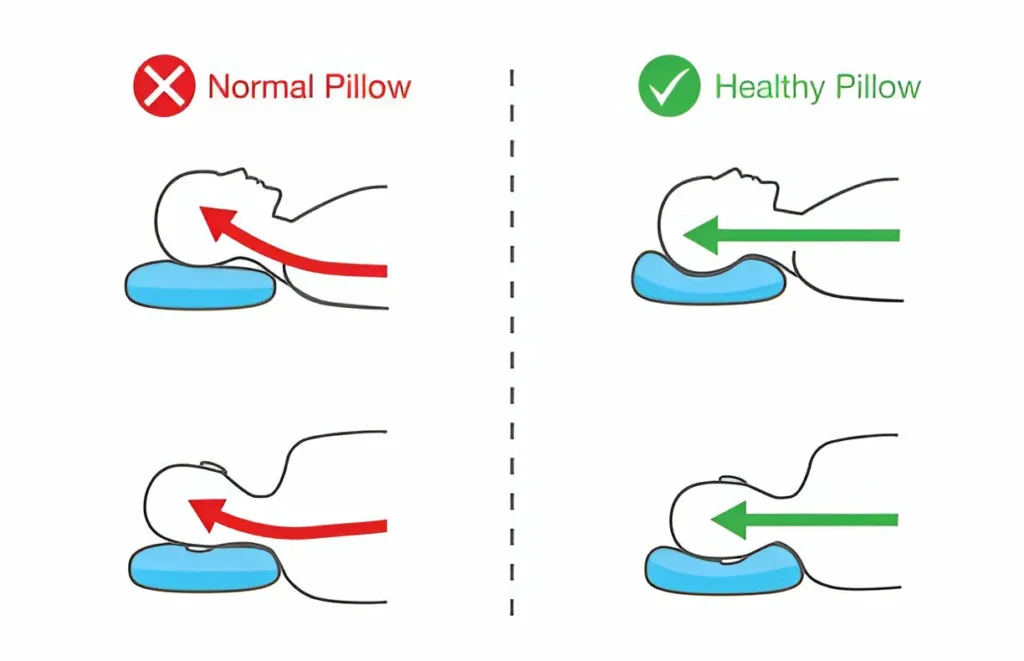
Choose a mattress that supports your spine’s natural alignment, and avoid sleeping in positions that strain your back.
While mild lower back pain often improves with self-care, certain symptoms warrant immediate medical attention:
A healthcare provider can perform diagnostic tests such as X-rays, MRIs, or CT scans to identify the root cause and recommend the most effective treatment.
Lower back pain can disrupt your life, but you don’t have to face it alone. At Healyos, we specialize in addressing the reasons for lower back pain with personalized, expert care. Our team of experienced physiotherapists and healthcare professionals is dedicated to helping you find relief and regain your mobility.
Whether your pain stems from poor posture, a herniated disc, or another underlying cause, we offer tailored solutions, including physical therapy, posture correction, and targeted exercise programs. At Healyos, we’re committed to guiding you on your journey to a healthier, pain-free life.
Say goodbye to lower back pain with expert care from Healyos. Reach out to us today and take control of your health and mobility!