
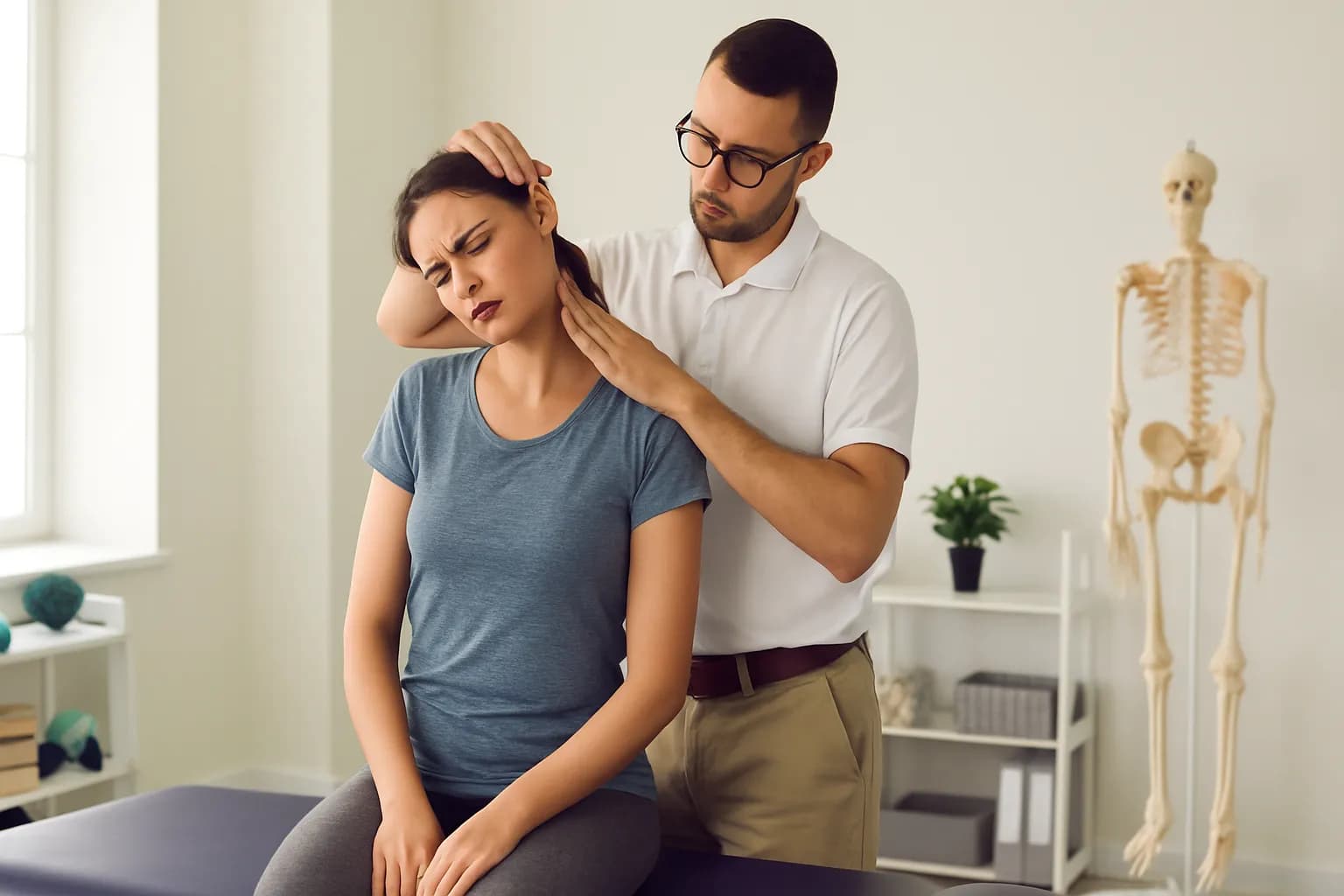
Cervical spondylosis, a common age-related condition, affects the cervical spine in the neck. It results from degeneration of the discs and joints in the cervical spine and can lead to pain, stiffness, and reduced mobility. In more severe cases, it can also cause nerve compression leading to tingling, weakness, or numbness in the arms. One of the most effective approaches to managing this condition is through cervical spondylosis physiotherapy.
This guide focuses on physiotherapy for spondylitis and spondylosis physical therapy techniques that help reduce symptoms, improve neck function, and prevent future flare-ups. Whether you’re looking for home-based strategies or professional guidance, this is your comprehensive resource for cervical spondylosis physiotherapy treatment.
Physiotherapy plays a critical role in the management of cervical spondylosis. Unlike medications that only mask symptoms, physiotherapy addresses the root causes of pain—poor posture, muscular imbalances, spinal stiffness, and reduced mobility.
Goals of cervical spondylitis physiotherapy treatment include:
Whether you’re following a cervical spondylosis physiotherapy in a clinic or doing exercises at home, consistency and correct technique matter most.
Before starting any spondylosis physical therapy, a physiotherapist will perform a detailed evaluation to determine the source and severity of your symptoms. This usually includes:
Based on this, your cervical spondylosis PT management plan may include therapeutic exercises, manual therapy, ergonomic training, and home care routines.
These physiotherapy exercises for cervical spondylosis are frequently recommended to improve neck mobility, reduce stiffness, and build strength.
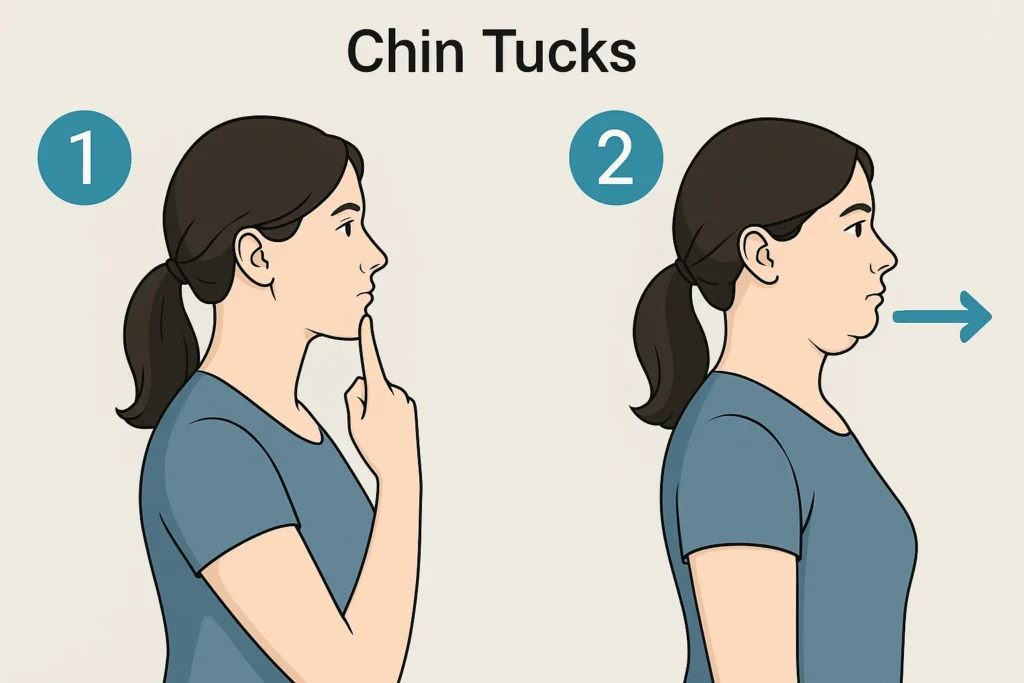
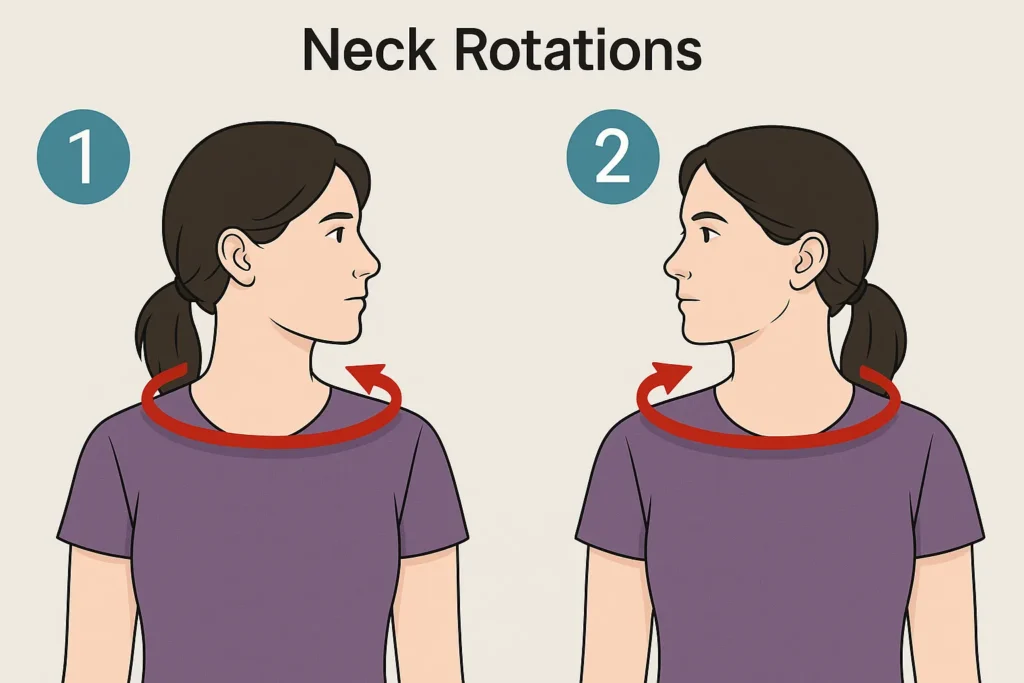
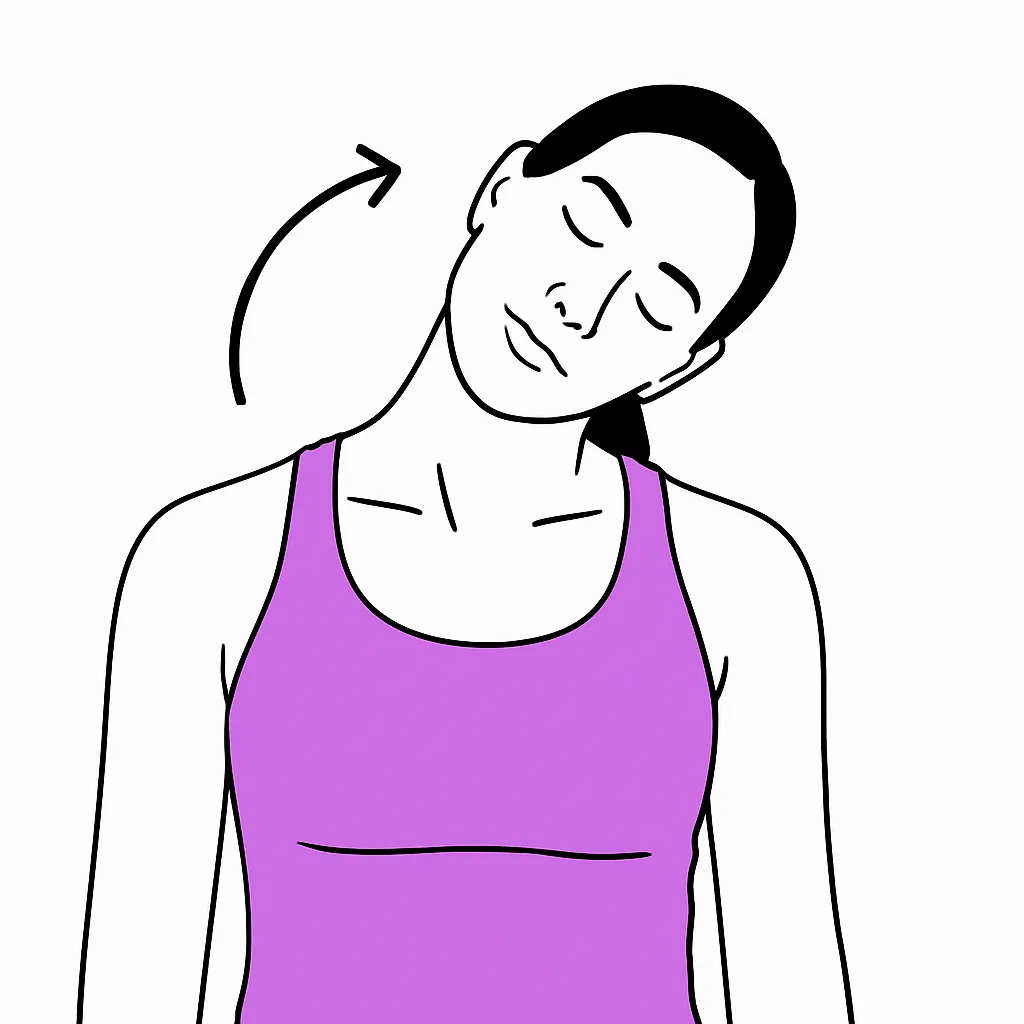
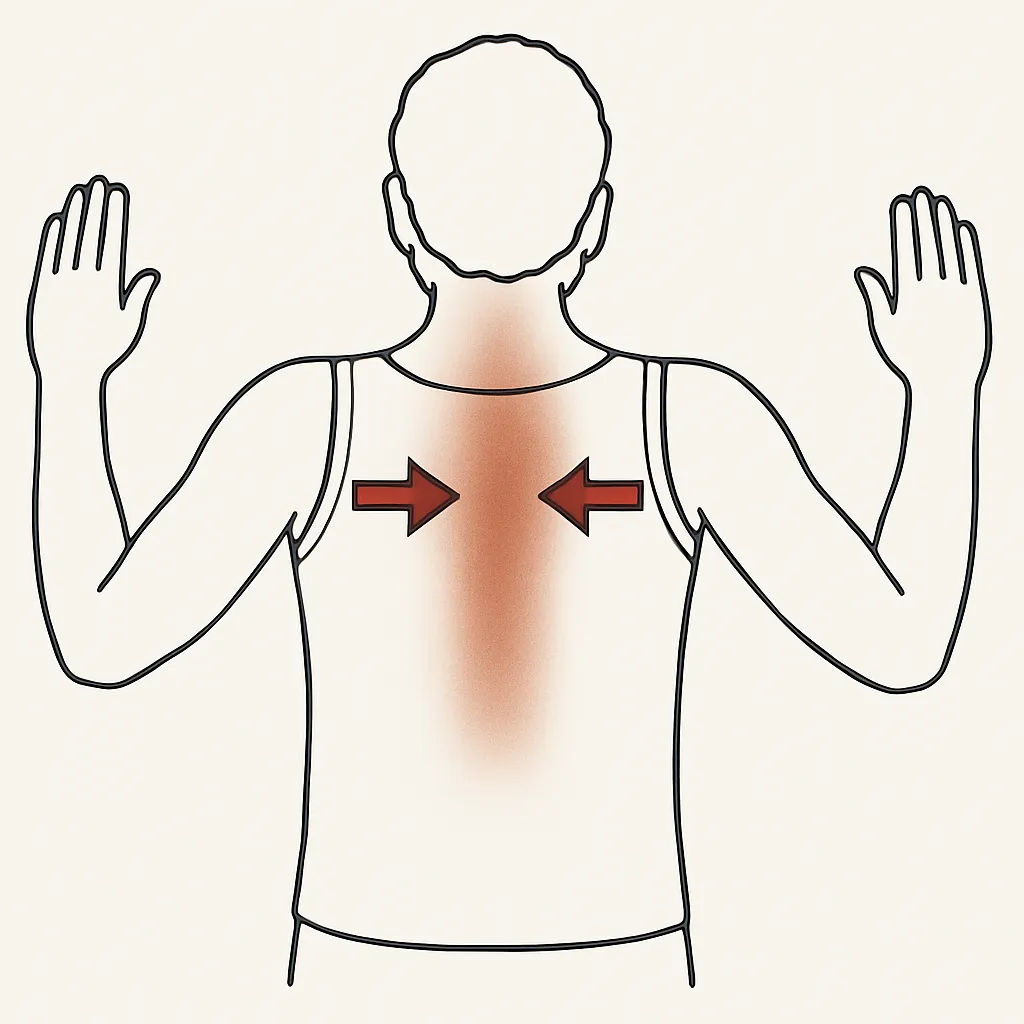
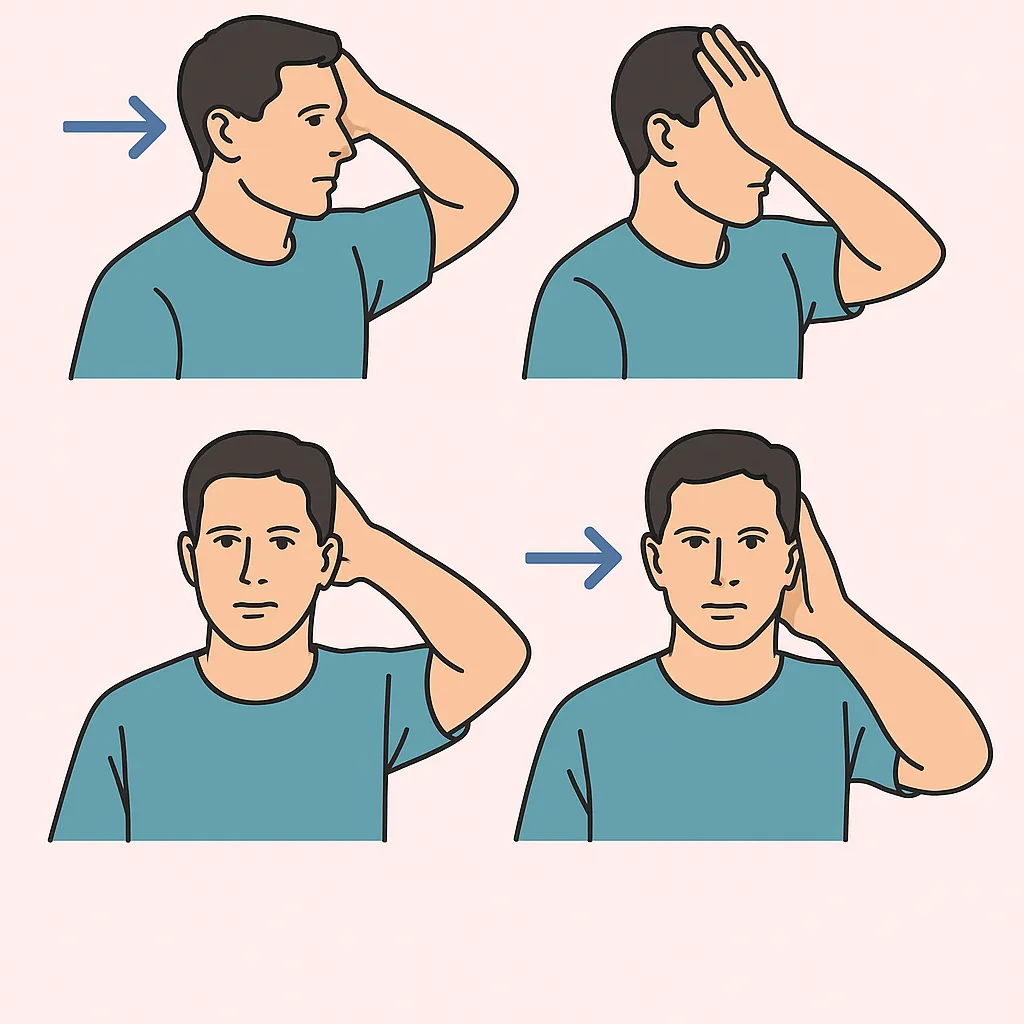
In addition to exercises, many physiotherapists incorporate hands-on techniques such as:
These manual interventions accelerate recovery and often complement exercise-based protocols.
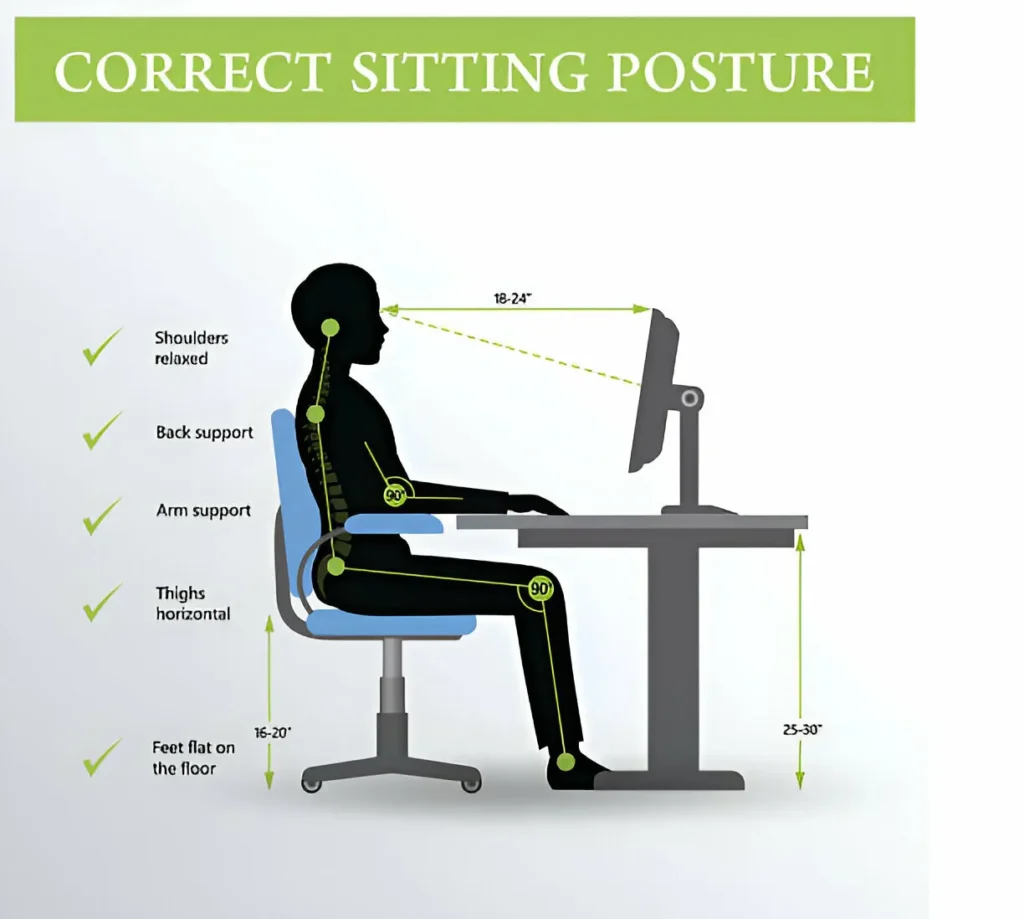
One major contributing factor in cervical spondylosis is poor posture, particularly during long hours of desk work. Cervical spondylosis physiotherapy treatment includes posture retraining:
Correcting posture reduces strain on cervical structures and supports long-term healing.
Heat and cold therapy are adjunct treatments often used in cervical spondylosis physiotherapy to reduce pain and muscle tightness:
Your therapist might recommend alternating both depending on symptom severity.

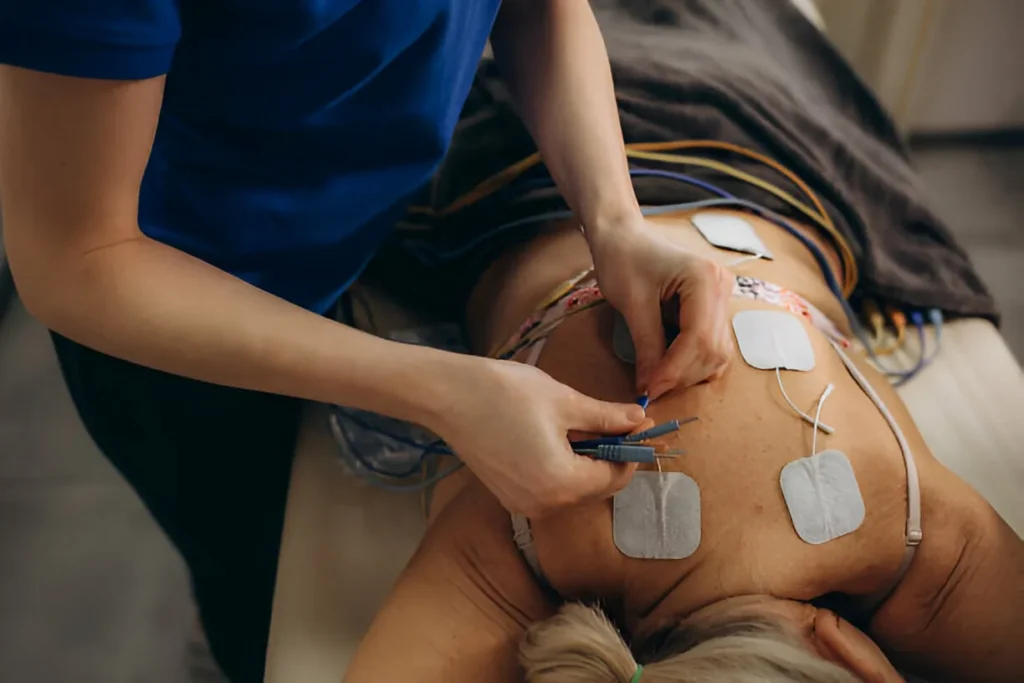
Physiotherapy clinics often incorporate electrical modalities as part of spondylosis physical therapy. Common treatments include:
While these don’t cure the condition, they can provide temporary relief and facilitate exercise participation.
Complement your cervical spondylosis physiotherapy with these daily habits:
Making small adjustments in your daily life supports the long-term effectiveness of therapy.
Many clinics use structured cervical spondylosis physiotherapy plans to guide recovery. These include detailed timelines, goals, and exercise sheets you can follow both in clinic and at home.
Key milestones include:
Track your progress with your physiotherapist and adapt the plan as needed.
Home-based physiotherapy is a great start, but if you experience the following, professional care becomes essential:
Timely intervention ensures that symptoms don’t progress or become chronic.
At Healyos, we understand how disruptive cervical spondylosis can be. Our experienced physiotherapists design customized programs that blend manual therapy, exercise-based rehabilitation, and ergonomic training tailored to your lifestyle and needs.
Whether you’re searching for in-person sessions or a home program guided by an understanding of cervical spondylosis physiotherapy. Our goal is simple: reduce your pain, restore your mobility, and help you live actively and independently.
Cervical spondylosis doesn’t have to dictate your lifestyle. With the right physiotherapy for spondylosis, consistent effort, and expert guidance, you can manage your symptoms and even prevent future issues.
Take charge of your neck health. Trust the process. And let physiotherapy be your path to recovery.