

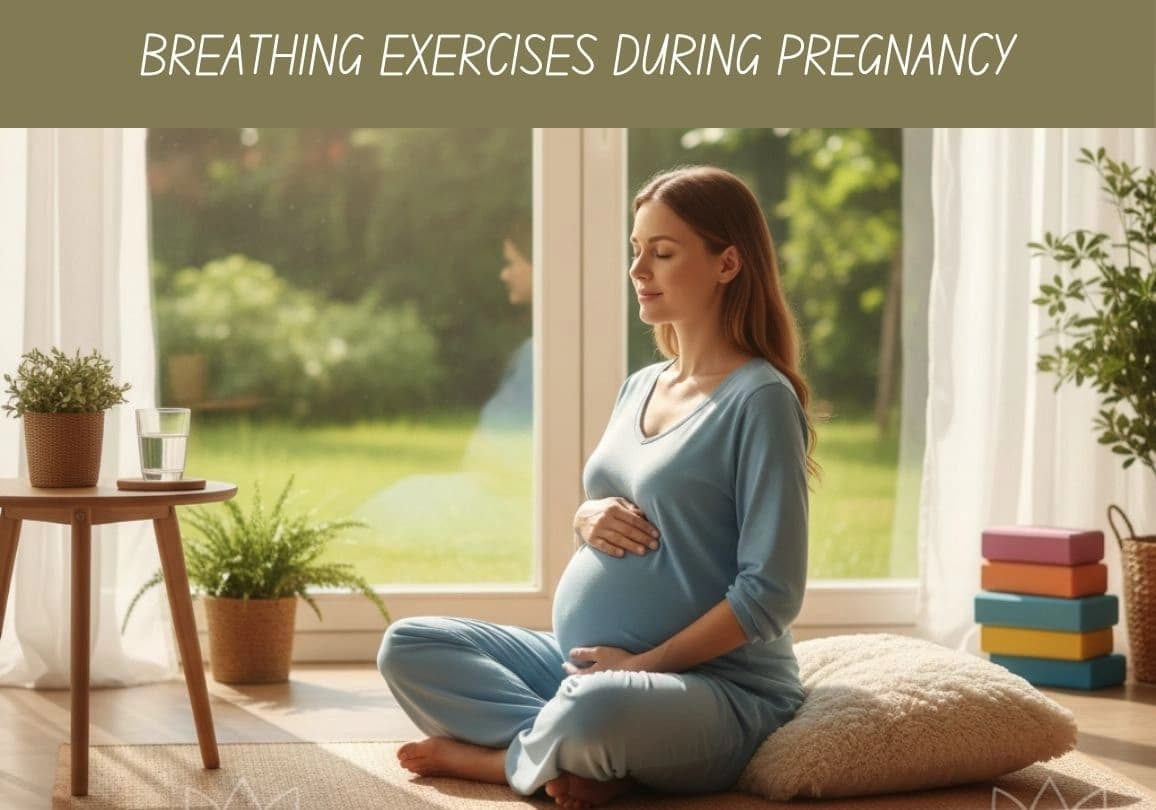
Pregnancy is a beautiful journey filled with anticipation and joy, but it can also bring its share of physical discomfort and emotional challenges. As your body undergoes remarkable changes to nurture new life, you may find yourself feeling anxious, overwhelmed, or stressed. The good news? Simple breathing exercises during pregnancy can be powerful tools to help you stay calm, manage stress, and prepare for childbirth.
In this comprehensive guide, we’ll explore how prenatal breathing techniques can support your mental and physical wellbeing throughout pregnancy. Whether you’re experiencing first-trimester anxiety, third-trimester shortness of breath, or simply looking for natural ways to relax, these evidence-based practices can make a meaningful difference in your pregnancy experience.
Breathing exercises for pregnant women offer far more than just relaxation. When practiced regularly, these techniques can provide multiple benefits that support both maternal and fetal health.
Stress relief during pregnancy is crucial because chronic stress can affect your immune system, sleep quality, and overall wellbeing. Deep, mindful breathing activates your parasympathetic nervous system—your body’s natural relaxation response—which helps lower cortisol levels and promotes a sense of calm.
Also, breathing exercises during pregnancy can help you:
Diaphragmatic breathing is one of the most fundamental prenatal breathing techniques and serves as the foundation for many other exercises. This technique engages your diaphragm, the large muscle beneath your lungs, allowing for deeper, more efficient breaths.
How to practice:
This breathing exercise during pregnancy is particularly helpful when you’re feeling anxious or need to center yourself during a busy day.
The 4-7-8 breathing method is an excellent pregnancy relaxation technique developed by Dr. Andrew Weil. It’s especially useful for stress relief during pregnancy and can help you fall asleep more easily.
How to practice:
This powerful breathing exercise for pregnant women can quickly calm your nervous system and reduce anxiety.
This prenatal breathing technique comes from yoga tradition and helps balance your nervous system while promoting mental clarity and calmness.
How to practice:
Note: If holding your breath feels uncomfortable during pregnancy, simply focus on the alternating nostril breathing without retention.
As you approach your due date, this breathing exercise during pregnancy can help you prepare for labor contractions and maintain control during childbirth.
How to practice:
This technique trains your body to relax even during discomfort, making it an invaluable tool for managing labor pain.
Box breathing is a structured pregnancy relaxation technique that creates a sense of rhythm and control, making it particularly helpful during moments of acute stress or panic.
How to practice:
This breathing exercise for pregnant women is excellent for refocusing your mind during prenatal appointments or when you’re feeling overwhelmed.
Consistency is key when it comes to reaping the benefits of prenatal breathing techniques. Consider incorporating these practices into your daily routine:
While breathing exercises for pregnant women are generally safe, keep these guidelines in mind:
While breathing exercises during pregnancy are powerful tools for stress relief during pregnancy, they work even better when combined with other healthy practices:
Q: Can breathing exercises help reduce labor pain, or is it just a distraction technique?
Breathing exercises during pregnancy do more than just distract you from pain. They actually trigger physiological changes in your body by activating the parasympathetic nervous system, which naturally reduces pain perception and helps muscles relax. When you breathe deeply and rhythmically during contractions, you’re also ensuring adequate oxygen reaches your uterine muscles, which can make contractions more efficient and less painful. Many women report that consistent practice during pregnancy made a noticeable difference in their ability to manage labor discomfort.
Q: I feel silly practicing breathing exercises alone. Do they really work if I only start them when I’m already stressed?
While breathing exercises for pregnant women can provide immediate relief even when you’re already anxious, they work significantly better with regular practice. Think of it like building muscle—the more you practice when you’re calm, the easier it becomes to access these techniques during stressful moments. Your body learns the relaxation response and can trigger it more quickly when needed. That said, even using them only during stressful situations is better than not using them at all, so start wherever you are and build from there.
Q: My pregnancy app says I should breathe in for 4 counts and out for 8, but I can’t exhale that long without feeling breathless. Am I doing it wrong?
Not at all—every woman’s lung capacity and comfort level is different, especially during pregnancy when your growing baby limits diaphragm movement. The specific count matters less than making your exhale slightly longer than your inhale, which is what activates the relaxation response. If 4-6 works better for you than 4-8, that’s perfectly fine. Prenatal breathing techniques should feel calming, not stressful. Adjust the counts to what feels natural and comfortable for your body, and never force or strain your breath.
Q: I have anxiety and take medication for it. Can breathing exercises replace my medication during pregnancy, or should I do both?
Breathing exercises during pregnancy are excellent complementary tools for stress relief during pregnancy, but they should never replace prescribed medication without your doctor’s explicit guidance. If you’re currently taking anxiety medication, speak with your healthcare provider about a comprehensive treatment plan that may include breathwork, physical therapy, medication, or a combination of approaches. Many women find that regular pregnancy relaxation techniques allow them to manage symptoms better overall, but medication decisions should always be made in consultation with your medical team, especially during pregnancy.
Q: I’m in my third trimester and get winded just walking up stairs. Will breathing exercises make this worse or actually help?
Breathing exercises for pregnant women can actually help you manage third-trimester breathlessness more effectively. Practices like diaphragmatic breathing train you to breathe more efficiently using your full lung capacity, which becomes especially valuable when your growing uterus is pressing against your diaphragm. Start with gentle, short sessions (2-3 minutes) while sitting or lying comfortably on your left side. As you practice, you’ll likely notice you can handle activities like stair climbing with less distress.