Brain Stroke Recovery Time: How Long Does It Take?
Recovering from a brain stroke is not a one-size-fits-all journey. It’s complex, personal, and often filled with ups and downs. One of the most common questions from patients and families is: how long does it take to recover from a stroke? The answer depends on several factors, but understanding the general stroke recovery timeline can help set realistic expectations and guide the healing process.
In this article, we break down everything you need to know about brain stroke recovery time, key milestones, and what affects a stroke patient’s return to independence.
Understanding the Stroke Recovery Timeline
Recovery time after a stroke depends on the type of stroke, its severity, the area of the brain affected, and the speed at which treatment was received. Stroke recovery is not linear. Some improvements happen rapidly in the early days; others may take months or even years.
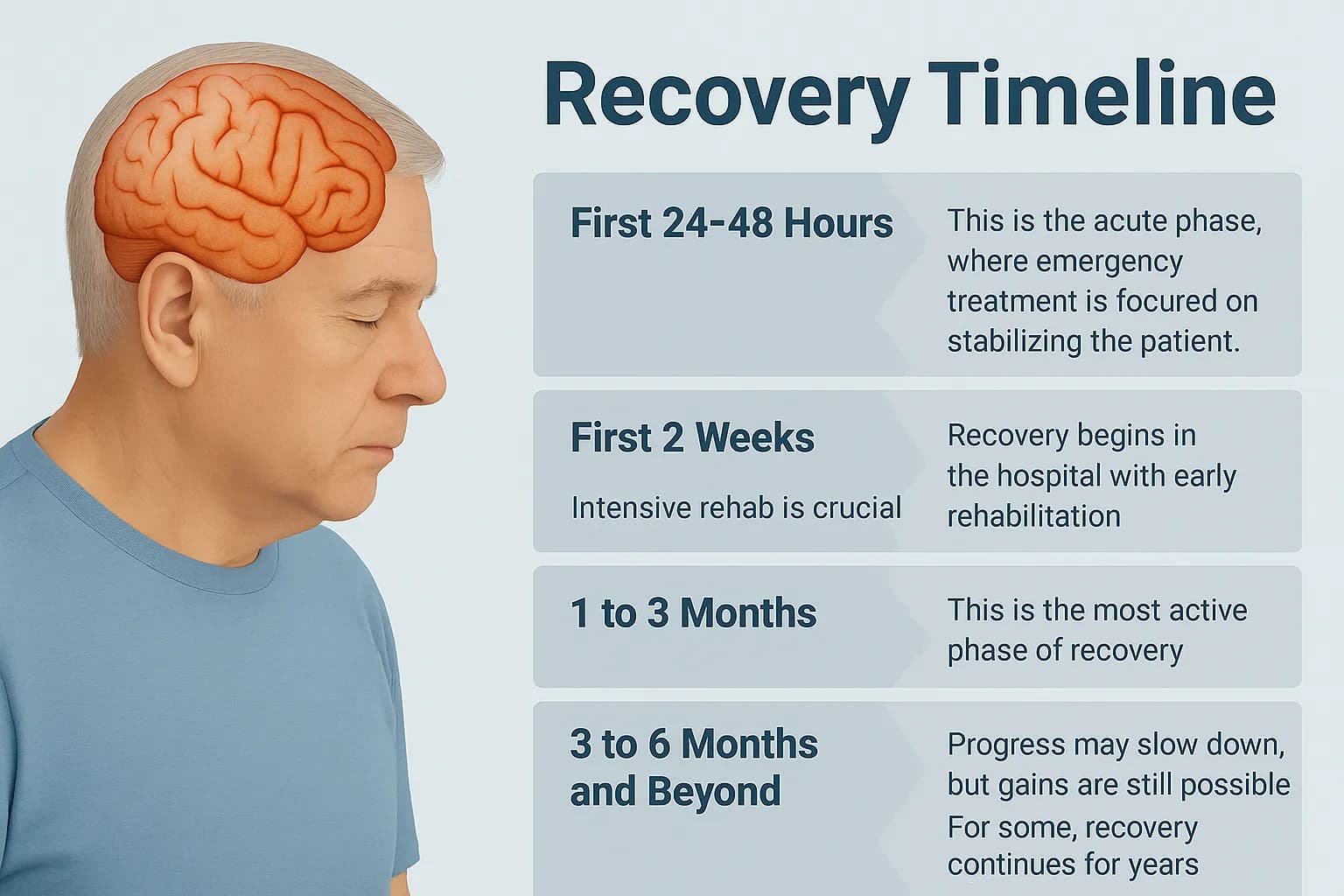
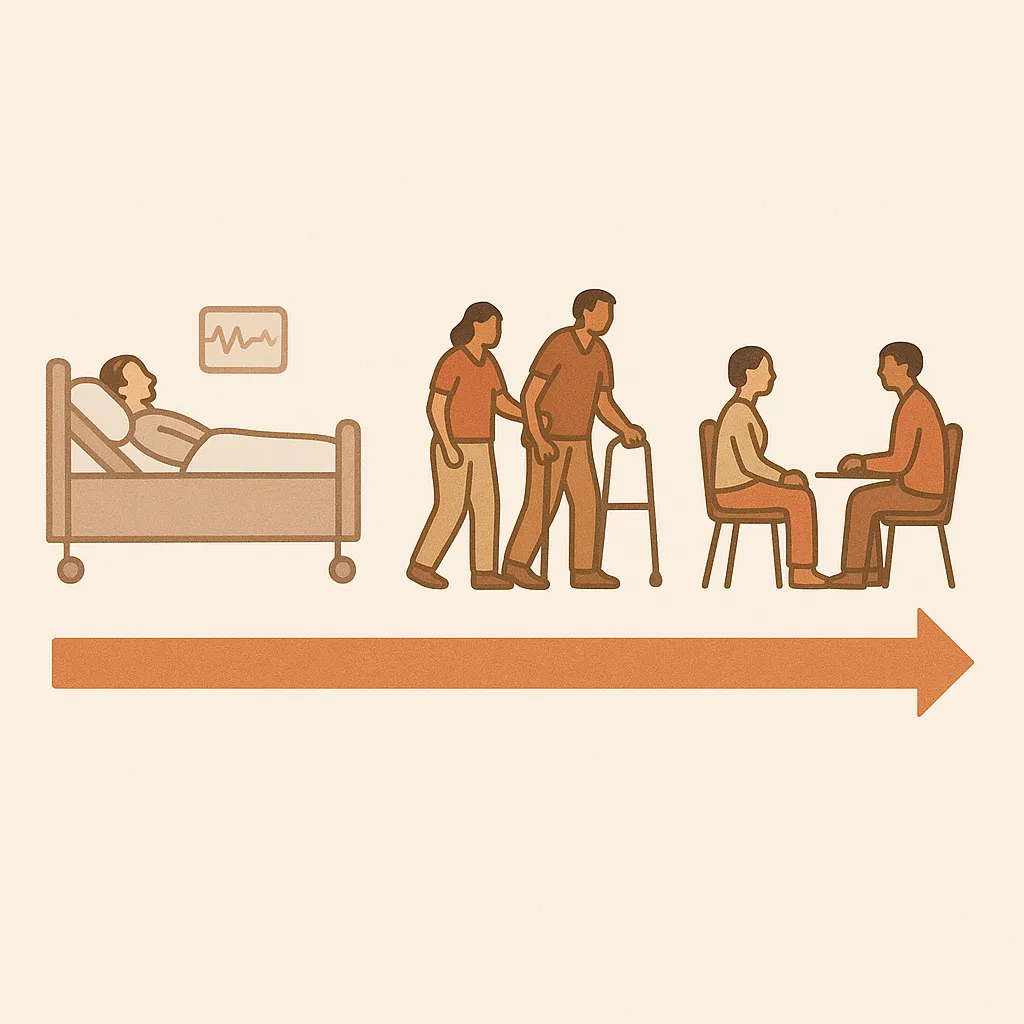
The timeline can be broken down into four main phases:
First 24-48 Hours
This is the acute phase, where emergency treatment is focused on stabilizing the patient.
Imaging and medications (like clot-busting drugs) are used to limit brain damage.
First 2 Weeks
Recovery begins in the hospital with early rehabilitation.
Therapists assess physical, speech, and cognitive abilities.
The brain starts forming new pathways—a process called neuroplasticity.
1 to 3 Months
This is the most active phase of recovery.
Many stroke survivors see the greatest improvements during this window.
Intensive rehab is crucial. This includes physical therapy, occupational therapy, and speech therapy.
3 to 6 Months and Beyond
Progress may slow down, but gains are still possible.
Long-term therapy and support play a key role.
For some, recovery continues for years.
Knowing the general stroke recovery timeline helps patients and caregivers plan brain stroke rehab, adjust expectations, and track progress.
Factors That Influence Brain Stroke Recovery Time
Each person’s recovery is different. Several variables determine how quickly someone recovers from a stroke:
Type of Stroke:
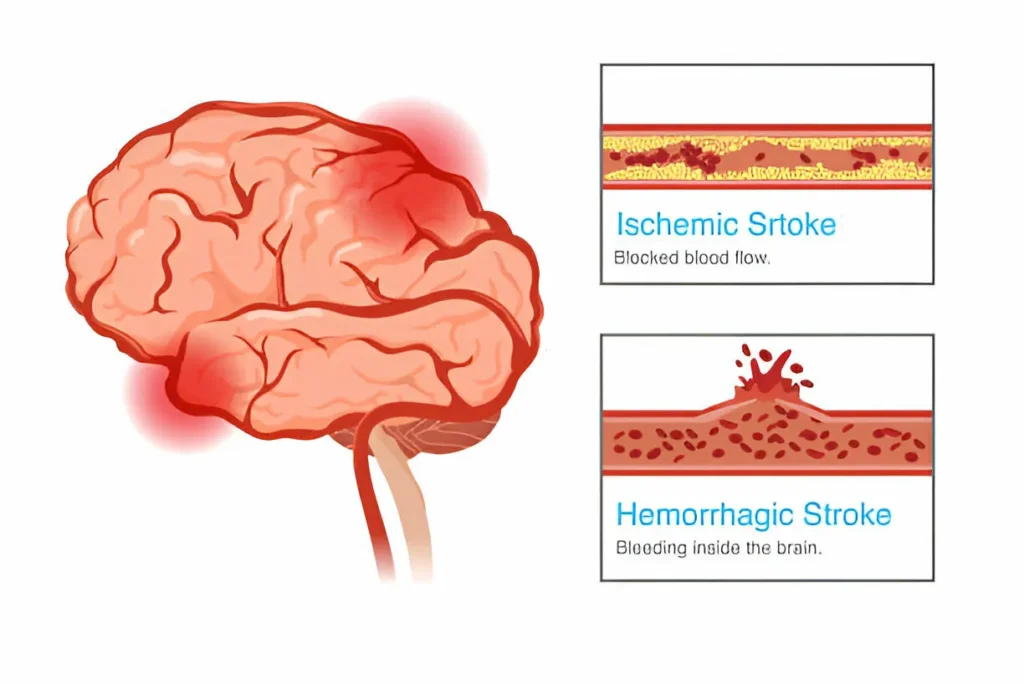
Ischemic stroke (caused by a blood clot) often has a faster recovery compared to hemorrhagic stroke (caused by bleeding in the brain).
Blood clot in brain recovery time can vary from weeks to months depending on severity and intervention.
Extent of Brain Damage:
A stroke that affects a small area may lead to minimal deficits.
A larger stroke can cause more extensive disability, requiring a longer rehabilitation period.
Age and Overall Health:
Younger, healthier individuals often bounce back faster.
Chronic conditions like diabetes or hypertension may slow recovery.
Speed of Medical Treatment:
Receiving immediate treatment (within the golden window of 3-4.5 hours) significantly improves outcomes.
Level of Post-Stroke Rehabilitation:
The intensity and duration of therapy directly affect the pace of recovery.
Support System:
Strong emotional and physical support from family, caregivers, and therapists boosts motivation and consistency.
Let’s look at a more detailed breakdown of what patients and caregivers can expect during recovery:
Week 1
Monitoring vital signs and stabilizing the patient
Initial assessments by rehab teams
Introduction to light mobility or passive movements
Weeks 2 to 4
Continued rehab in hospital or rehab center
Physical therapy to improve balance, posture, and muscle strength
Speech therapy begins for those with language impairments
Month 2 to 3
Increased focus on walking, hand movements, self-care tasks
Greater independence in activities of daily living
Stroke speech recovery time often improves with daily practice
Month 4 to 6
Some patients may return to part-time work or light home tasks
Mobility aids like canes or walkers may still be used
Stroke patient recovery time becomes more individualized at this stage
6 Months and Beyond
Continued therapy for fine motor skills, speech, and cognition
For some, brain stroke recovery time can extend over a year
Emotional recovery, including coping with frustration or depression, becomes vital
Speech and Communication Recovery Timeline
Many stroke survivors experience aphasia, a condition that impairs speech and language. The stroke speech recovery timeline is different for everyone:
First 1-3 Months: Most improvement is seen with regular speech therapy
6 Months: Many regain significant communication ability
12 Months and Beyond: With ongoing therapy, further gains are possible, though progress may slow
Rebuilding communication involves re-training the brain to process and express language. It requires daily practice, repetition, and patience.
Brain Hemorrhage Recovery Time
A brain hemorrhage recovery time is usually longer than for ischemic strokes. Hemorrhagic strokes often require surgery to relieve pressure or remove blood. Recovery focuses on managing complications like seizures, memory issues, and mobility challenges.
Typical timelines:
Acute recovery: Several weeks in ICU or neuro units
Rehab phase: 3 to 6 months depending on neurological deficits
Long-term outcomes: Some patients may need lifelong therapy and care
Despite the challenges, many people with hemorrhagic strokes make meaningful recoveries with time and rehabilitation.
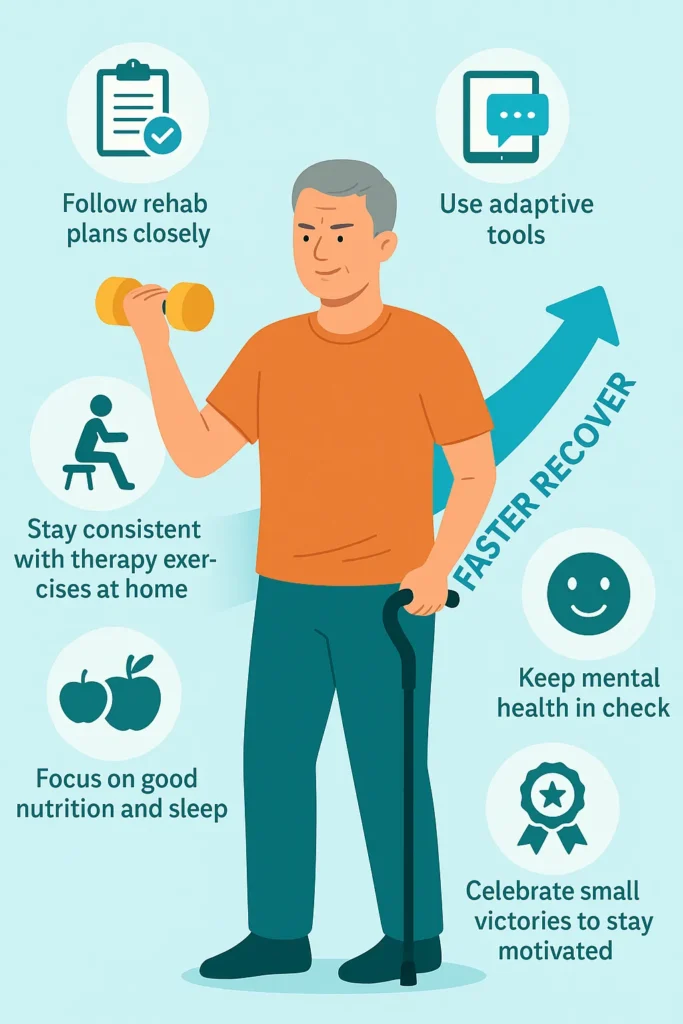
Use adaptive tools (e.g., speech apps, mobility aids)
Keep mental health in check
Celebrate small victories to stay motivated
There is no definitive shortcut, but effort, repetition, and positivity go a long way in improving outcomes.
Realistic Expectations: Plateaus Are Normal
During recovery, patients may hit plateaus where progress seems to stall. This is a common part of the process and does not mean improvement is impossible. Many patients continue to make gains months or even years after their stroke.
Setbacks like fatigue or temporary pain may slow things down, but they can be managed with proper support and continued therapy.
Healyos: Supporting Stroke Recovery at Every Stage
At Healyos, we understand how varied and complex stroke recovery can be. Our expert team of physiotherapists, speech therapists, and occupational therapists are trained to support each phase of the stroke recovery timeline.
Whether you’re dealing with mobility issues, speech challenges, or emotional ups and downs, we offer personalized, home-based rehab solutions that adapt to your goals and needs.
If you or a loved one is navigating brain stroke recovery time, Healyos is here to help rebuild confidence and regain independence.
Stroke is life-altering, but recovery is always possible. Some improvements come fast, others take months or years. The key is persistence, proper care, and support.
From stroke speech recovery time to long-term mobility, each step is a victory. Track your progress, adjust as needed, and never lose hope. The brain is capable of remarkable healing.