
A torn ACL is a serious knee injury that can disrupt your daily life and sports performance. While surgery is commonly recommended for athletes or severe tears, not everyone needs an operation.
If you’re exploring conservative treatment, understanding the ACL injury recovery time without surgery is crucial. This guide outlines what to expect, how long recovery might take, and the key milestones in non-surgical healing.
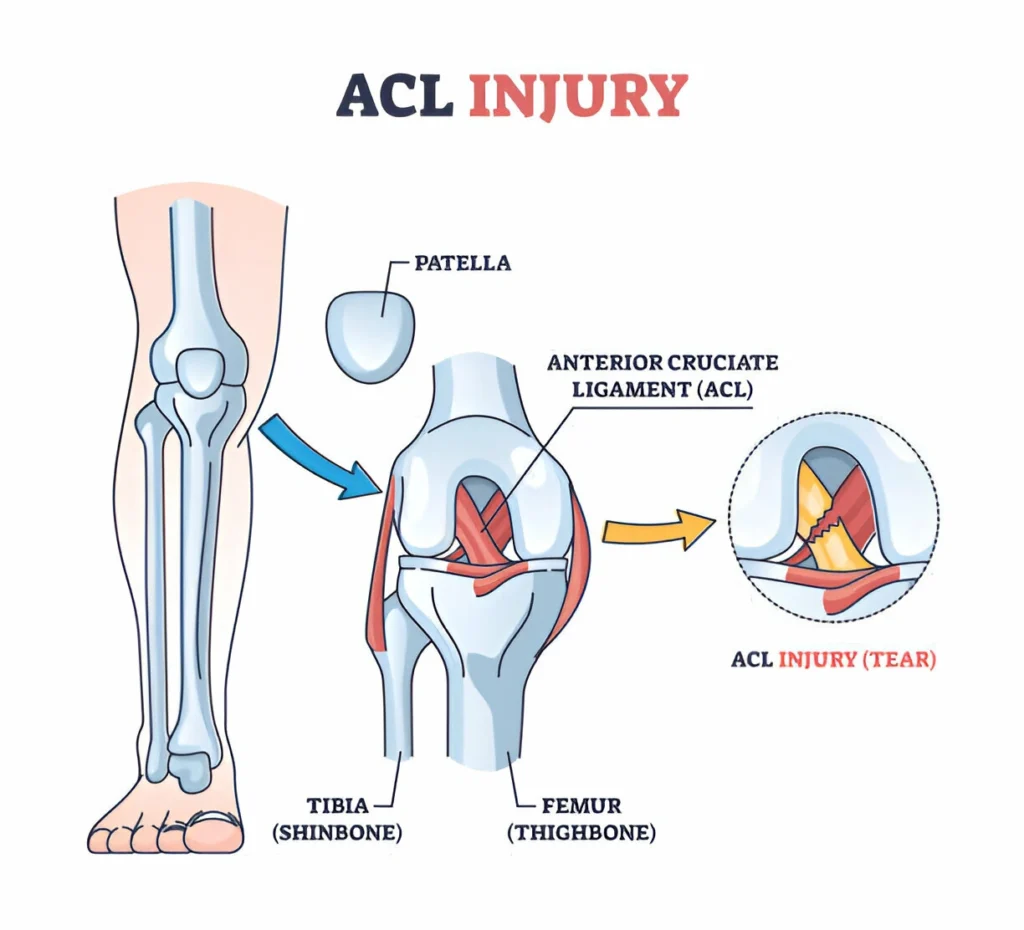
The anterior cruciate ligament (ACL) is one of the major stabilizers of the knee. It prevents the tibia (shin bone) from sliding forward in relation to the femur (thigh bone). ACL injuries usually happen during sudden stops, pivots, or awkward landings.
A torn ACL can be complete or partial. While a complete tear often leads to surgical intervention, some individuals with a partial ACL injury or low activity demands may opt for rehab without surgery.
You may be a good candidate for non-operative recovery if:
In such cases, ACL injury physiotherapy can strengthen the surrounding muscles and compensate for the ligament’s loss.
The ACL ligament injury recovery time without surgery varies based on the tear’s severity, individual fitness, and commitment to rehab. Here’s a general timeline to set expectations:
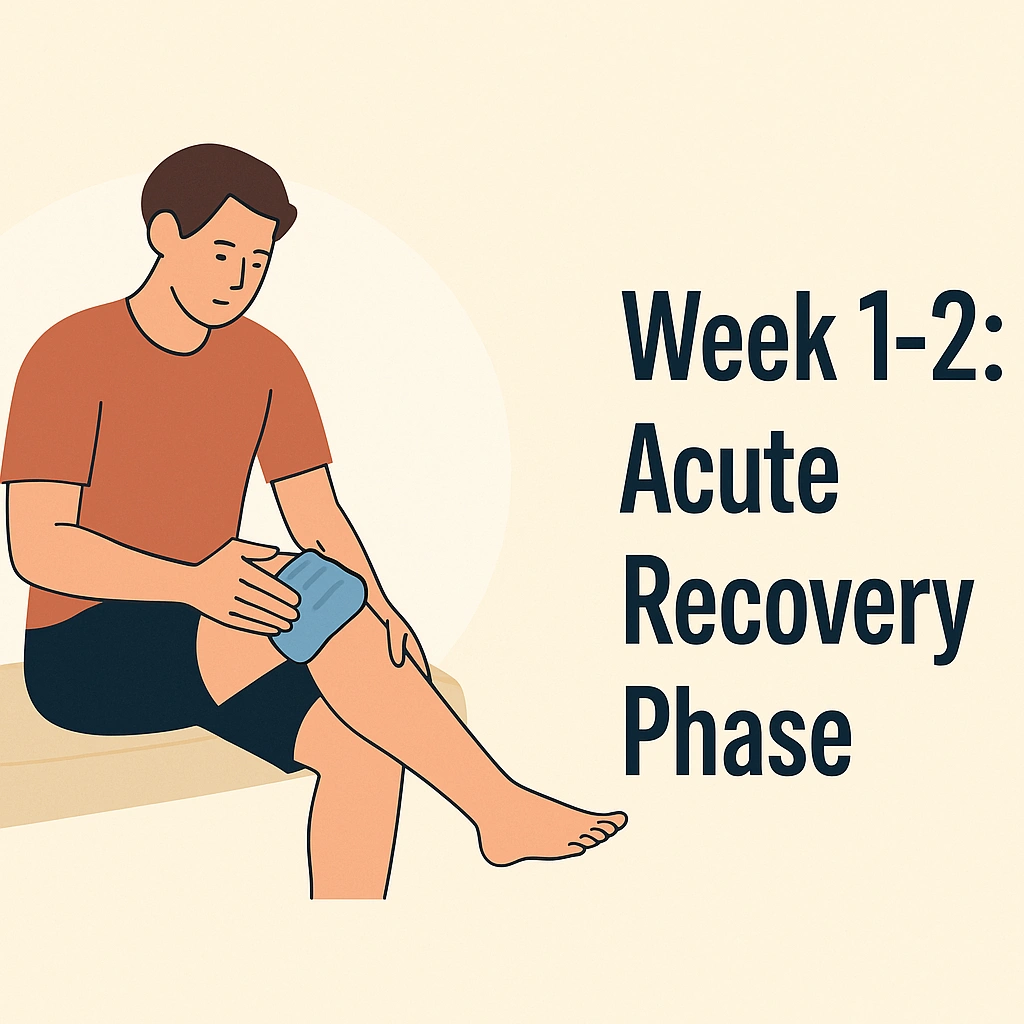
Week 1-2: Acute Recovery Phase
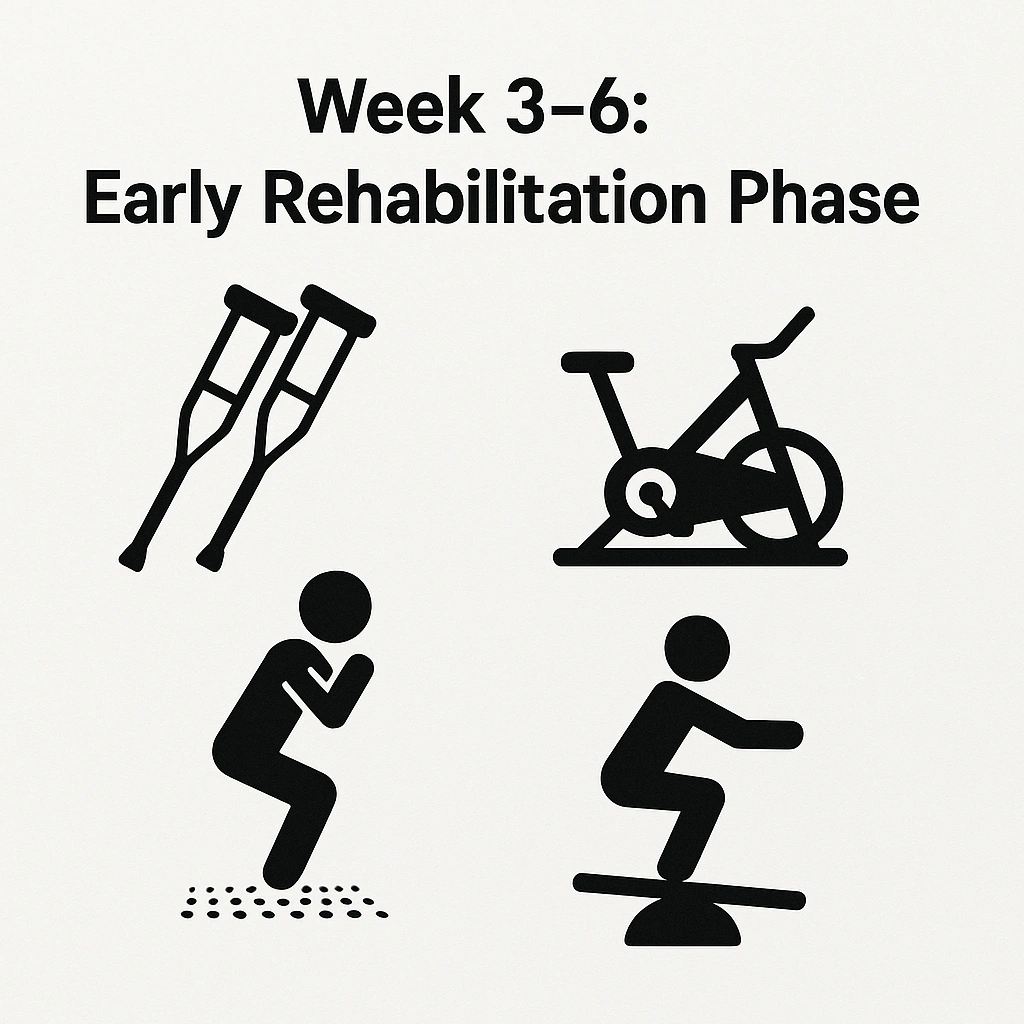
Week 3-6: Early Rehabilitation Phase
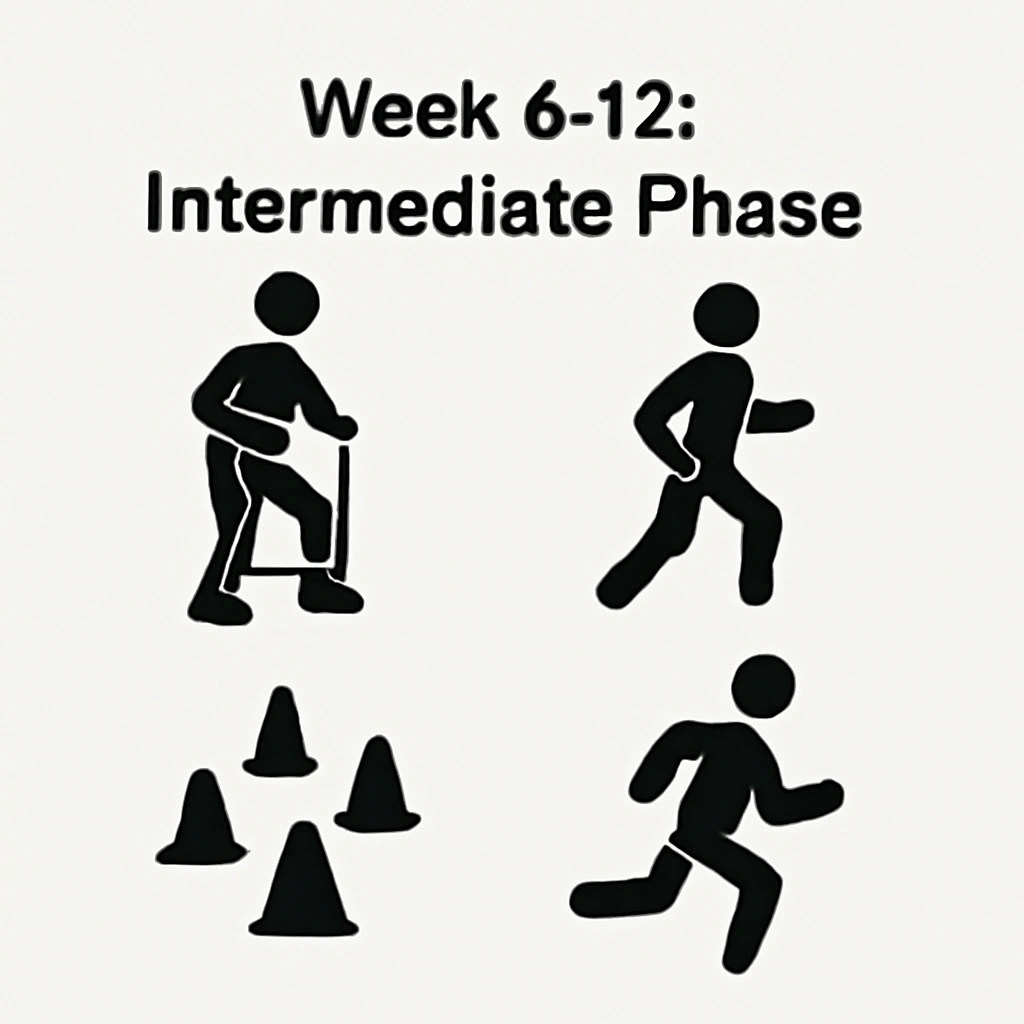
Week 6-12: Intermediate Phase
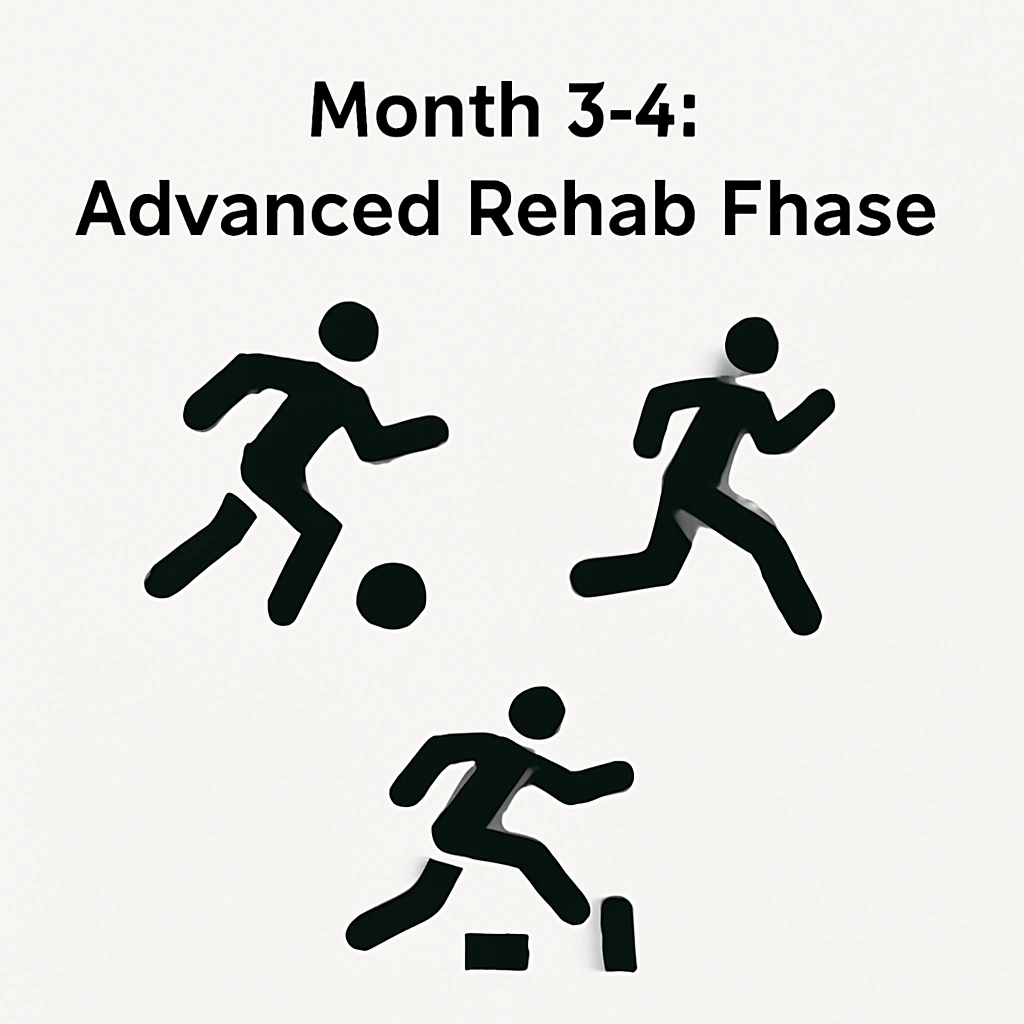
Month 3-6: Advanced Rehab Phase
6 Months and Beyond
Total ACL injury recovery time without surgery typically ranges from 3 to 9 months, depending on the individual’s baseline fitness and adherence to the rehab protocol.
Choosing conservative management has some advantages:
That said, this approach is not for everyone. Some people may still need surgery later if instability persists.
Avoiding surgery doesn’t mean avoiding effort. Recovery still demands discipline, including:
If your knee frequently gives out, surgery might be revisited to prevent further damage to cartilage or meniscus.
When comparing surgical and non-surgical recovery timelines, several differences emerge. Non-surgical recovery typically allows a return to daily activities within 2 to 3 months, while those undergoing surgery may need 3 to 4 months to regain similar function.
Returning to sports also varies. With non-surgical treatment, many people can resume certain activities within 6 to 9 months, though high-impact sports may remain limited. In contrast, surgical patients often return to full sports participation in 9 to 12 months.
Rehabilitation duration reflects this difference as well. Non-surgical rehab may last 3 to 6 months, while surgical recovery often extends over 9 to 12 months.
The risk of re-injury is another important factor. Non-surgical recovery carries a higher risk in sports settings due to reduced knee stability, whereas surgical recovery tends to result in lower re-injury rates, provided the rehab process is completed thoroughly.
Recovery isn’t just about time – it’s about function. Signs that you’re healing well include:
If you reach a plateau or experience setbacks, your physical therapist may adjust the plan or refer you for further imaging.
For non-contact, straight-line activities like swimming, cycling, or jogging, many individuals do return to sports without surgery.
However, cutting sports (like football, basketball, or soccer) have a higher risk of re-injury. In these cases, surgery is often recommended to restore full stability.
That said, a well-managed rehab program can help some avoid surgery completely.
An ACL injury in football players often leads to concerns about recovery time and return to play. Without surgery, returning to competitive football is unlikely unless the tear is partial and stability is well-maintained. Even then, full contact may be off the table.
Professional or competitive players generally require surgery for a safe return to sport. Recreational players might return with braces and strict limitations.
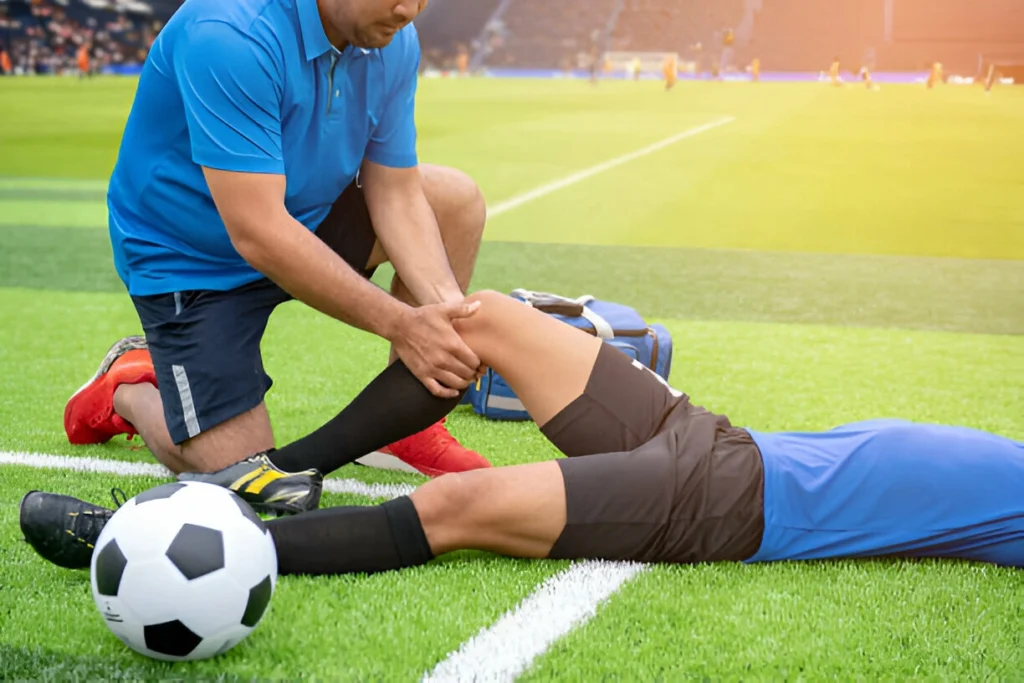
At Healyos, we understand that not everyone chooses surgery. Whether it’s due to lifestyle, health concerns, or personal preference, our physiotherapists offer tailored rehab plans that focus on building strength, restoring movement, and preventing further injury.
From early mobility work to advanced stability drills, our team ensures your knee is supported through every phase of your ACL knee ligament injury recovery time.
Let us help you move better, live stronger, and recover smart – with or without surgery.
A torn ACL doesn’t always mean going under the knife. For the right candidate, a well-structured, disciplined rehab plan can offer real results. But the key is commitment.
Understanding your personal torn ACL injury recovery time means knowing your goals, working with a skilled team, and adapting as needed.
Recovery is possible. And with the right support, you can regain strength, confidence, and control.