
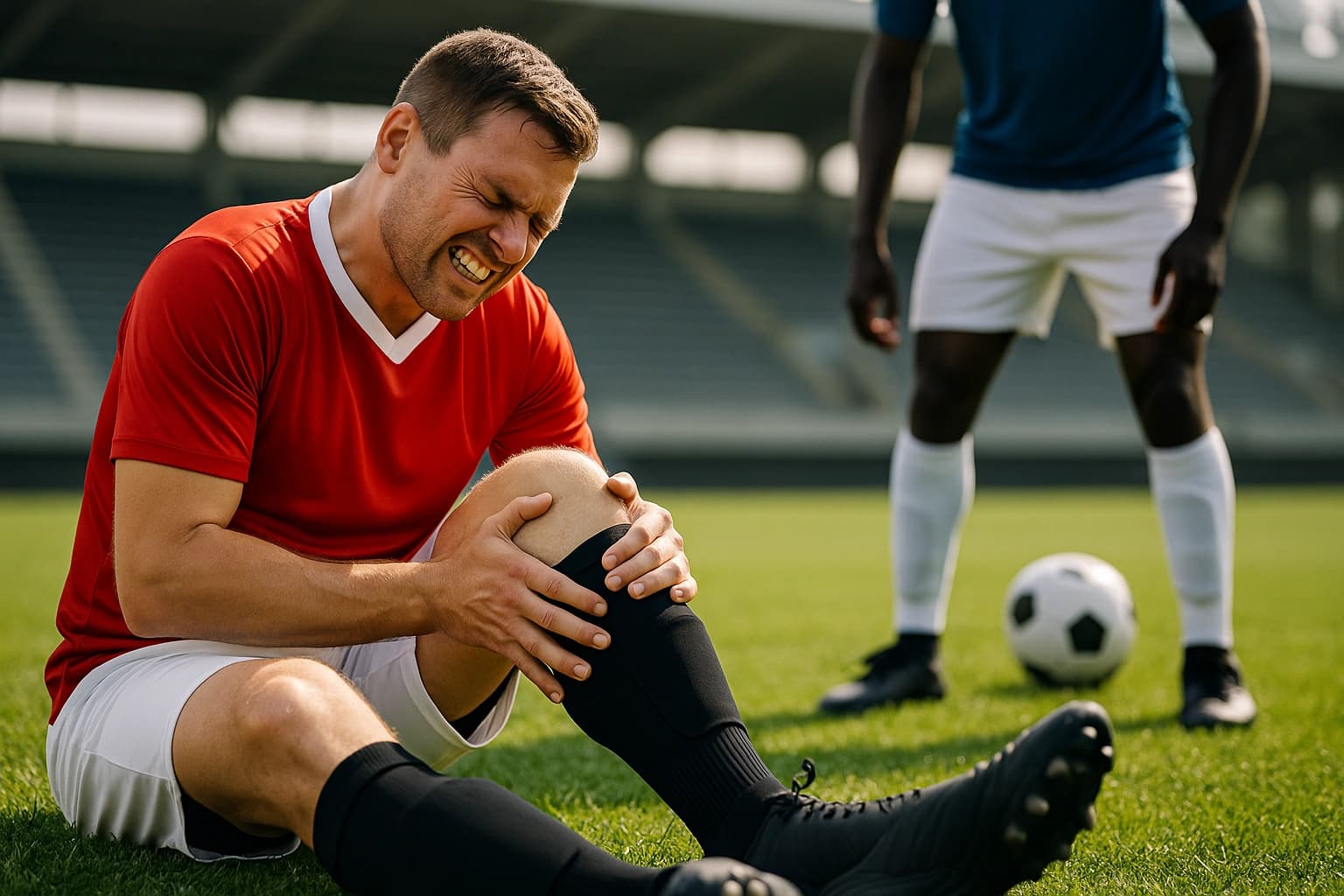
Football is a fast-paced, high-impact sport that demands speed, strength, and sudden directional changes. Unfortunately, it’s also one of the leading sports when it comes to serious knee injuries, particularly those involving the anterior cruciate ligament, or ACL.
If you’re a player, coach, or parent trying to understand what is ACL injury in football, or how to recover from one, this guide explains the essentials – from ACL injury causes to rehabilitation and long-term prevention.
The ACL is one of four major ligaments in the knee and is responsible for stabilizing the joint during movement, especially twisting or pivoting. When it tears, the injury is often sudden and painful, leading to instability and loss of function.
An ACL injury in football players usually involves a partial or complete tear of the ligament, sometimes accompanied by damage to the meniscus or other knee structures. This can sideline athletes for months and, in some cases, permanently affect performance.
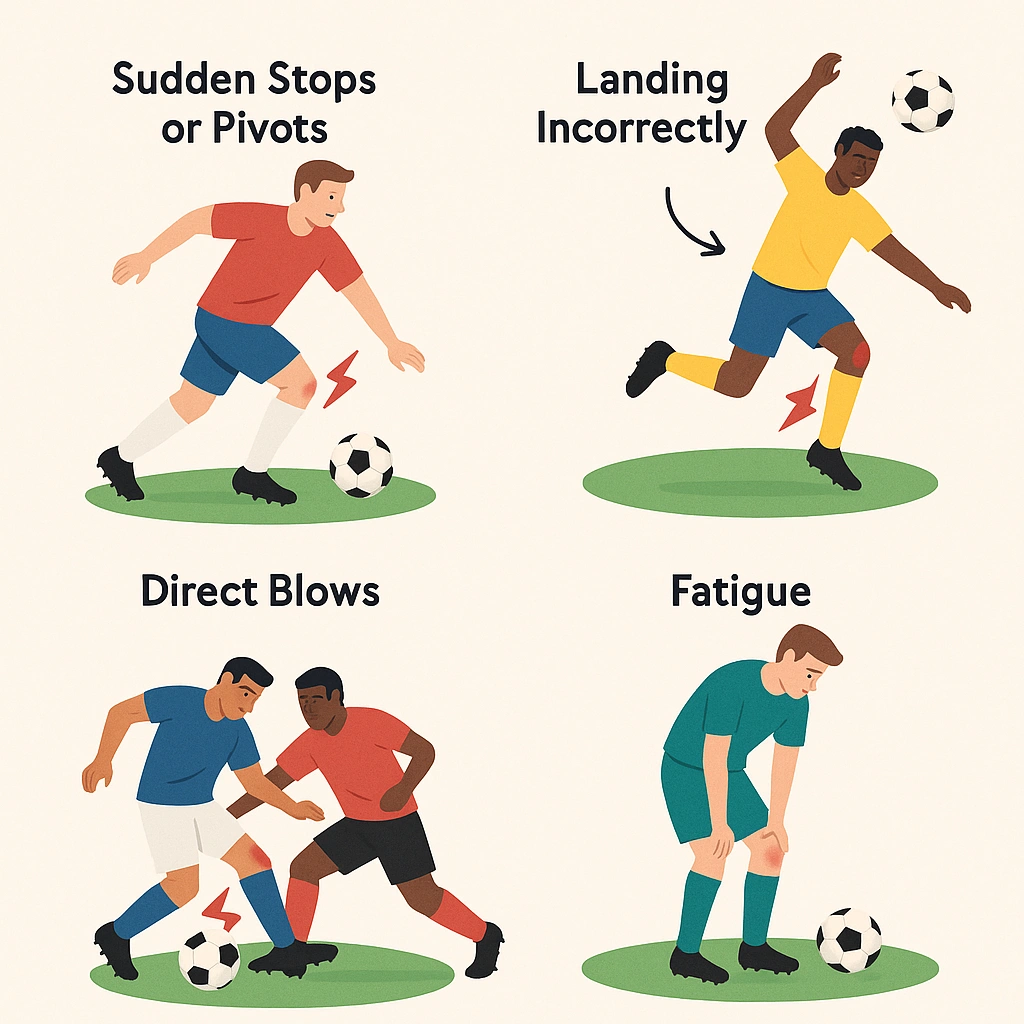
So, how do ACL tears happen, especially in football? The mechanism is almost always non-contact and happens during rapid changes in direction, awkward landings, or deceleration. Here are the most common causes in football:
Understanding how ACL injuries occur helps players train smarter and reduce their risk.
Recognizing an ACL tear early ensures quicker diagnosis and treatment. Common signs include:
If you’re a football player with ACL injury symptoms, seek medical evaluation immediately. Delayed treatment can worsen the injury.
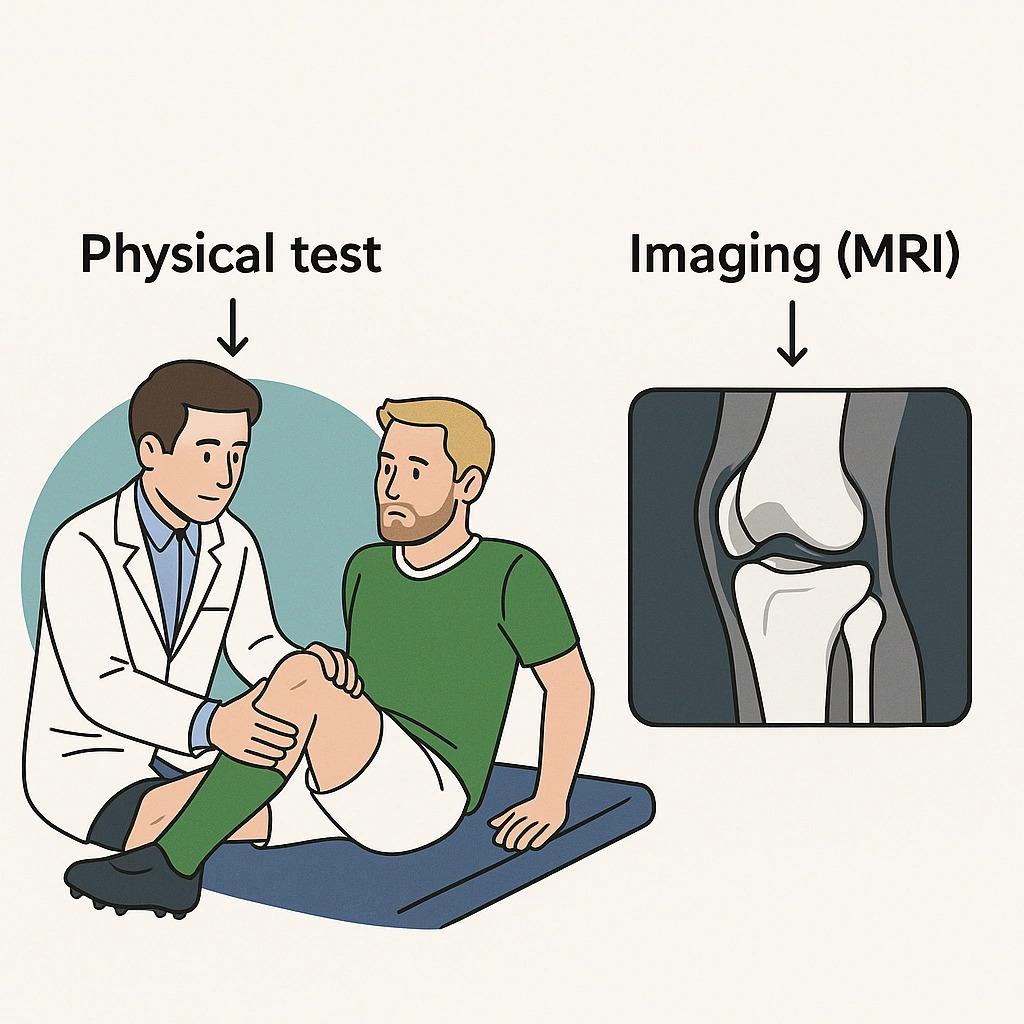
Once an ACL tear is suspected, doctors will conduct physical tests (like the Lachman test) and imaging (MRI) to confirm the diagnosis. Treatment depends on the severity of the injury and the player’s level of activity.
The goal is to restore knee stability and prevent long-term joint issues like osteoarthritis.
One of the biggest questions athletes have is about ACL injury recovery time in football. It varies, but here’s a typical timeline:
Full recovery can take 9 to 12 months. However, some football players with ACL injuries take longer, depending on setbacks or additional injuries.
ACL injury recovery football involves more than just surgery. A structured rehab plan includes:
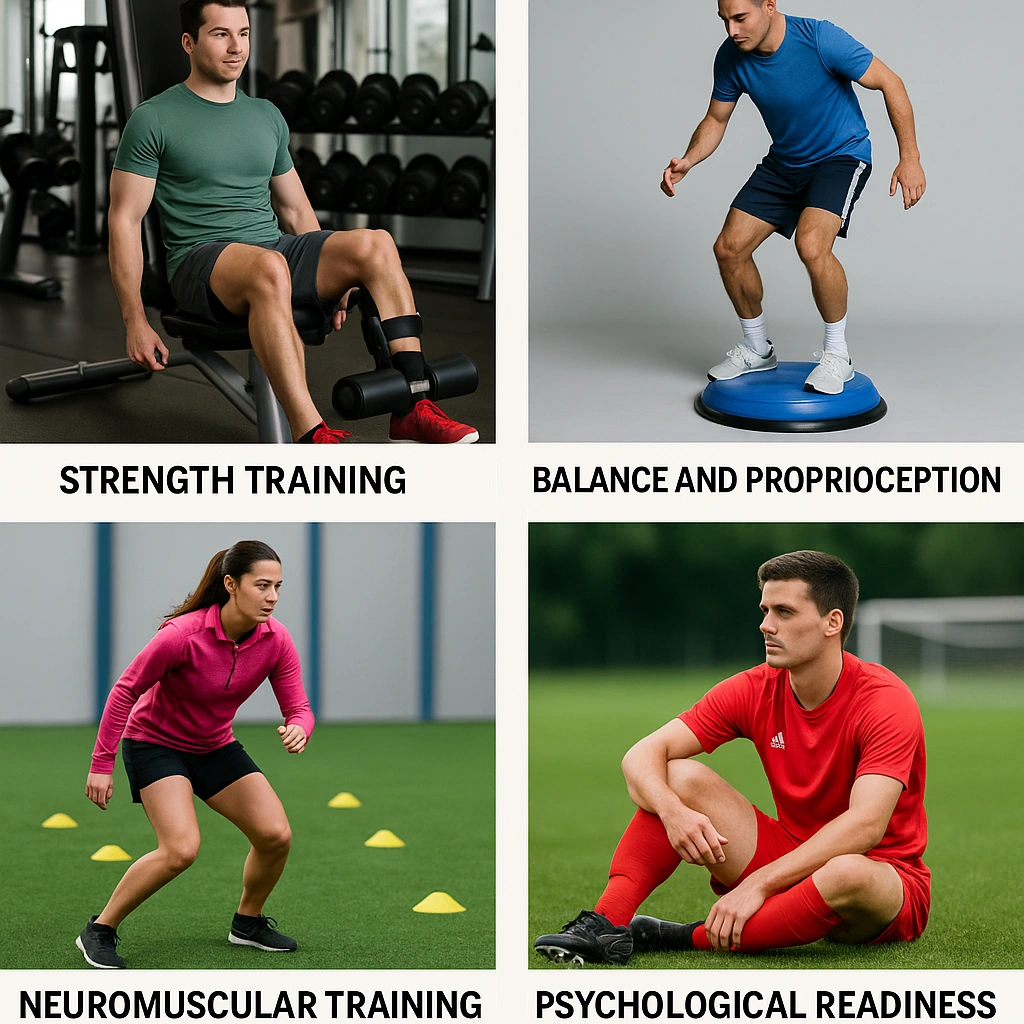
Sticking to rehab schedules and following professional guidance ensures the best outcomes.
ACL injuries are not uncommon at the highest levels of football. Notable football players with ACL injuries include:
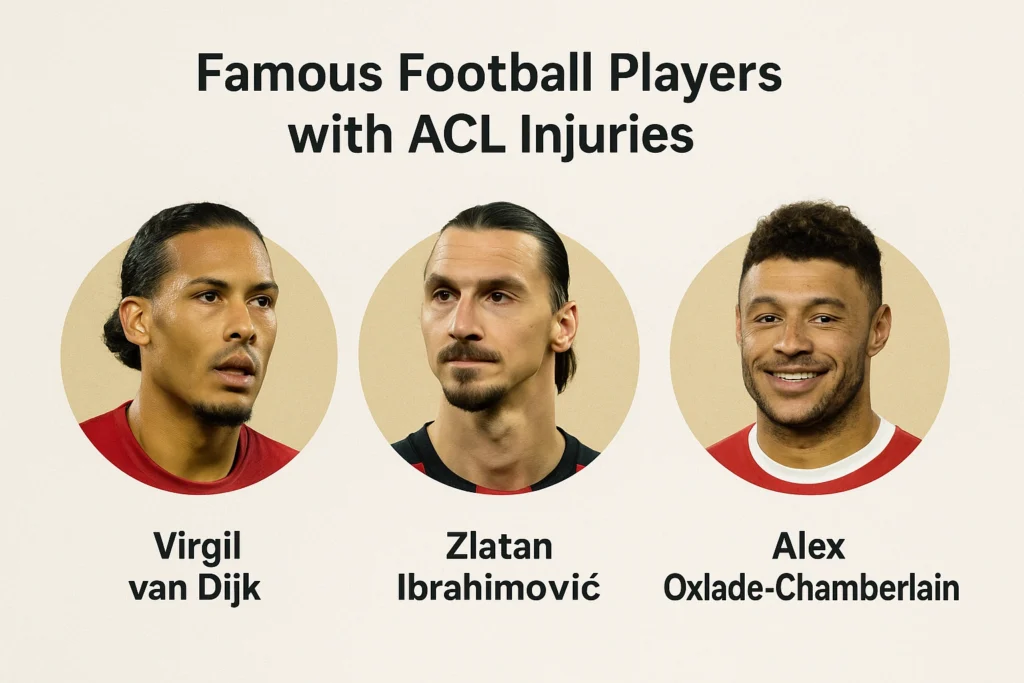
Their journeys highlight both the seriousness of the injury and the possibility of full recovery with proper care.
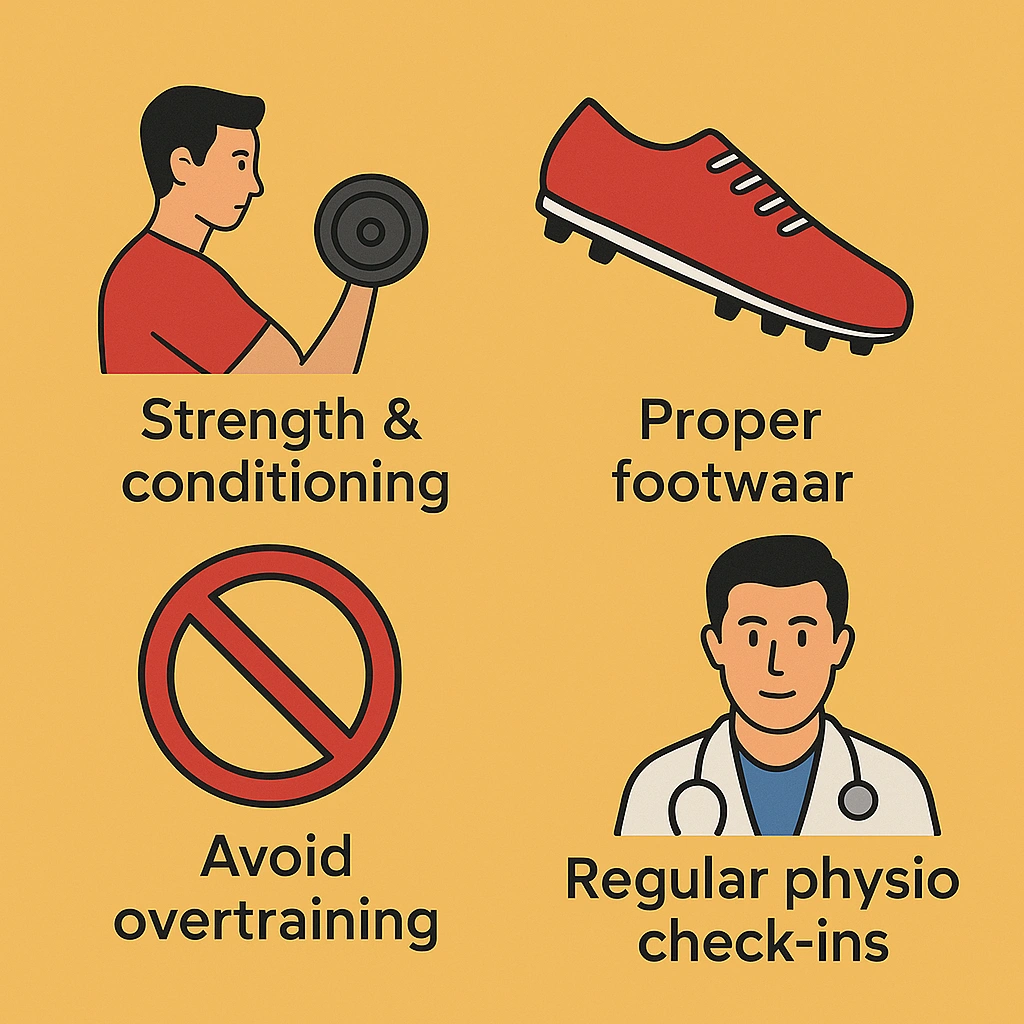
Prevention is always better than treatment. Here’s how to prevent ACL injury in football:
Education and awareness among coaches and players are critical to preventing injuries before they happen.
Even after recovery, footballers must take care of their knees. The risk of re-tear or injury to the opposite knee remains high. Tips for long-term joint health include:
Some players transition into different positions or styles of play to minimize reinjury risk.
At Healyos, we understand the physical and emotional impact of ACL injuries. Whether you’re a seasoned footballer or a rising star sidelined by a sudden football knee injury, our team creates customized recovery plans tailored to your sport, position, and goals.
From pre-surgery prep to return-to-play training, we guide you every step of the way. Our focus is on strength, agility, confidence, and most importantly, injury prevention moving forward.
An ACL injury in football isn’t just a medical issue – it’s a career-changing event. But with early diagnosis, expert rehab, and consistent effort, a full return is possible. Understand how ACL injuries occur, focus on proven recovery methods, and take prevention seriously.
If you’re dealing with an ACL injury football setback, know this: many have walked this path and returned stronger. And with the right plan, so can you.