 +919325609388

 +919325609388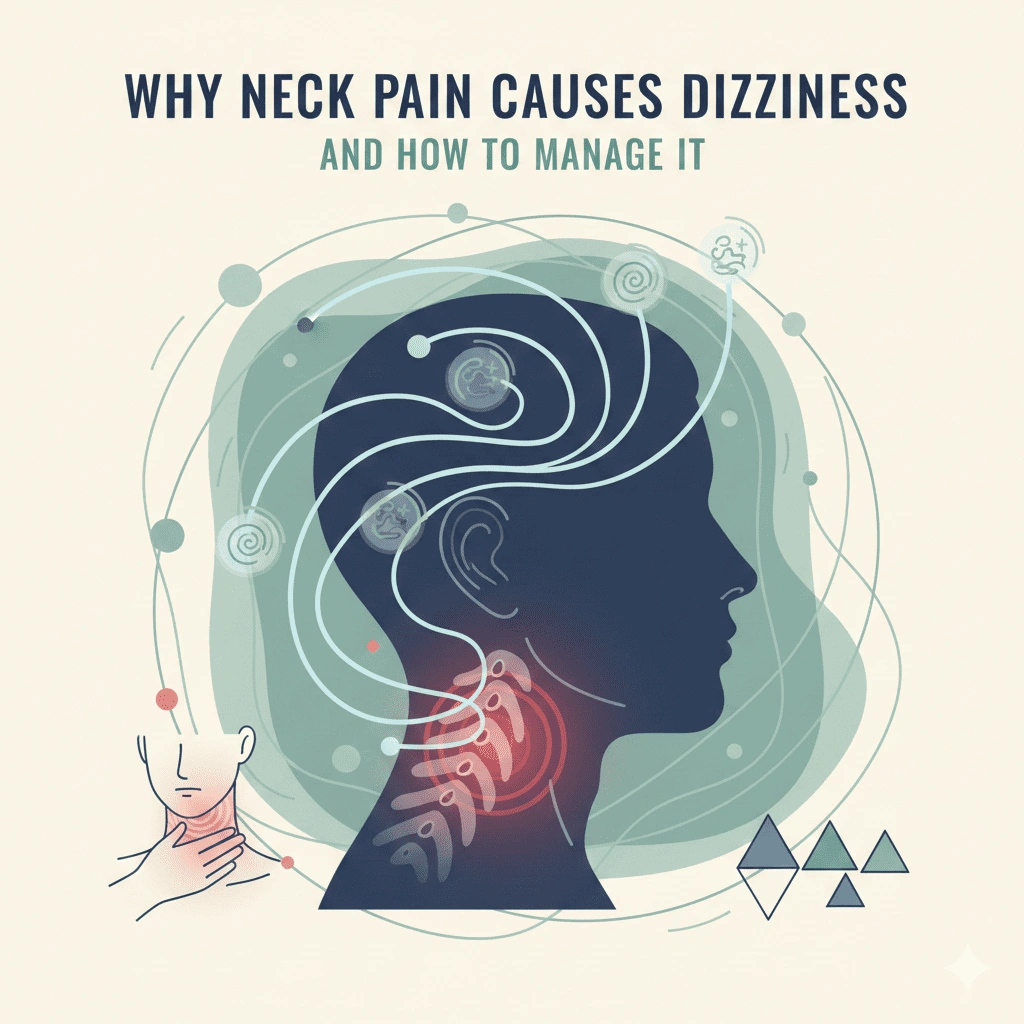
Why Neck Pain Causes Dizziness and How to Manage It
If you’ve ever experienced neck pain and dizziness simultaneously, you’re not alone. Neck pain causing dizziness is a surprisingly common condition known as cervicogenic dizziness, which occurs when problems in the neck—such as muscle tension, joint dysfunction, or nerve compression—disrupt signals to the brain that control balance and spatial orientation.
While it can be unsettling, understanding the connection between these symptoms and exploring effective treatment options can help you regain stability and comfort in your daily life.
Understanding the Connection Between Neck Pain and Dizziness
The relationship between neck pain and dizziness is more intricate than many people realize. Your cervical spine (neck) contains a complex network of nerves, blood vessels, and sensory receptors that play crucial roles in maintaining balance and body awareness.
How the Neck Affects Balance
Your neck houses proprioceptors—specialized sensory receptors that provide your brain with information about your head’s position in space. When neck structures become damaged, inflamed, or tense, these proprioceptors can send faulty signals to your brain, creating a mismatch between what your eyes see, what your inner ear senses, and what your neck reports. This sensory conflict results in dizziness due to neck pain.
What Is Cervicogenic Dizziness?
Cervicogenic dizziness is the medical term for dizziness that originates from neck problems. Unlike vertigo (which creates a spinning sensation), cervicogenic dizziness typically manifests as:
- Unsteadiness or feeling off-balance
- Lightheadedness
- Disorientation with head movements
- Visual disturbances
- Difficulty concentrating
Common Causes: Can Neck Pain Cause Dizziness?
Can neck pain cause dizziness? Absolutely. Several neck-related conditions can trigger these interconnected symptoms:
Cervical Spine Disorders
Degenerative disc disease, herniated discs, and cervical spondylosis can compress nerves or restrict blood flow, leading to both pain and dizziness. Arthritis in the neck joints can create similar effects.
Muscle Tension and Trigger Points
Chronic muscle tension in the neck and upper shoulders can develop trigger points—tight knots that refer to pain and disrupt normal nerve function. This tension often restricts neck mobility and contributes to balance problems.
Whiplash and Neck Injuries
Trauma from car accidents, falls, or sports injuries can damage neck structures and the delicate balance system. Even after the initial injury heals, lingering dysfunction may cause persistent neck pain and dizziness.
Poor Posture and “Tech Neck”
Spending hours hunched over computers or smartphones creates forward head posture, straining neck muscles and joints. This modern epidemic of “tech neck” is increasingly recognized as a contributor to cervicogenic dizziness.
Cervical Artery Issues
In rare cases, problems with the vertebral arteries running through the neck can reduce blood flow to the brain, causing dizziness alongside neck discomfort. This requires immediate medical evaluation.
Anxiety Connection: Neck Pain, Dizziness, and Mental Health
Many people experience anxiety, neck pain and dizziness as interconnected symptoms. This relationship works in multiple directions:
Anxiety causes physical tension: When you’re anxious, your body enters a stress response that tightens neck and shoulder muscles. This prolonged tension can trigger both pain and dizziness.
Physical symptoms worsen anxiety: Experiencing unexplained neck pain and dizziness anxiety can create worry about serious health conditions, which paradoxically increases muscle tension and symptom severity.
The stress-symptom cycle: Chronic pain and dizziness contribute to stress, which amplifies physical symptoms, creating a self-perpetuating cycle that’s challenging to break without proper intervention.
Recognizing the Symptoms: Head Pressure, Neck Pain, and Dizziness
Head pressure, neck pain and dizziness often occur together as a symptom cluster. Pay attention to these associated signs:
- Tightness or pressure sensation at the base of the skull
- Headaches that start in the neck and radiate forward
- Increased symptoms with specific head positions or movements
- Stiffness and reduced range of motion in the neck
- Visual disturbances or difficulty focusing
- Ringing in the ears (tinnitus)
- Nausea or general malaise
If you experience severe symptoms such as sudden onset dizziness with severe headache, vision loss, difficulty speaking, weakness, or loss of consciousness, seek immediate medical attention as these could indicate serious conditions.
Neck Pain and Dizziness Treatment: Effective Management Strategies
Fortunately, neck pain and dizziness treatment offers numerous approaches that can provide significant relief.
Medical Evaluation
Start with a thorough examination by a healthcare provider. They may recommend:
- Physical examination and medical history review
- Imaging studies (X-rays, MRI, or CT scans)
- Balance and vestibular testing
- Blood flow assessments
Physical Therapy and Exercise
Physical therapy stands as one of the most effective treatments for cervicogenic dizziness. A specialized physical therapist can design a program including:
- Neck strengthening exercises that stabilize the cervical spine and improve muscle endurance.
- Vestibular rehabilitation to retrain your balance system and reduce dizziness sensitivity.
- Proprioceptive training that helps restore accurate position sensing in the neck.
- Postural correction techniques to address underlying mechanical issues.
Manual Therapy
Hands-on treatments can provide relief:
- Gentle mobilization of stiff neck joints
- Soft tissue massage to release muscle tension
- Trigger point therapy
- Osteopathic or chiropractic manipulation (when appropriate)
Lifestyle Modifications
Simple changes can make a significant difference:
- Ergonomic improvements. Adjust your workspace to promote neutral neck positioning. Your computer screen should be at eye level, and your chair should support proper posture.
- Movement breaks. Set reminders to stand, stretch, and move every 30-45 minutes if you have a desk job.
- Sleep positioning. Use a supportive pillow that maintains your neck’s natural curve. Avoid sleeping on your stomach.
- Stress management. Practice relaxation techniques like deep breathing, meditation, or progressive muscle relaxation to reduce tension.
Medications
While not a long-term solution, medications can help manage symptoms:
- Over-the-counter pain relievers (acetaminophen, ibuprofen)
- Muscle relaxants for severe tension
- Anti-anxiety medications when anxiety is a significant component
- Vestibular suppressants in specific cases
Alternative Therapies
Some people find relief through:
- Acupuncture
- Massage therapy
- Yoga or tai chi
- Cognitive-behavioral therapy for anxiety management
Prevention: Keeping Neck Pain and Dizziness at Bay
Preventing recurrence requires ongoing attention:
- Maintain good posture throughout the day, especially during prolonged sitting or device use.
- Stay active with regular exercise that includes neck strengthening, core stability, and overall fitness.
- Manage stress through healthy coping strategies rather than allowing it to manifest as physical tension.
- Take breaks from repetitive activities that strain your neck.
- Stay hydrated and maintain overall health, as dehydration and general wellness affect symptom severity.
When to Seek Professional Help
While many cases of neck pain causing dizziness respond well to conservative treatment, consult a healthcare provider if you experience:
- Symptoms lasting more than a few weeks despite home care
- Progressive worsening of pain or dizziness
- Dizziness that significantly impacts daily activities
- Numbness, tingling, or weakness in arms or legs
- Difficulty with coordination or walking
- Any concerning or unusual symptoms
Key Takeaways
- Neck pain and dizziness commonly occur together as cervicogenic dizziness, caused by dysfunction in neck structures affecting balance signals to the brain.
- Multiple factors can contribute, including muscle tension, spine disorders, poor posture, injuries, and even anxiety.
- The connection between anxiety and neck pain dizziness creates a cycle where physical and psychological symptoms reinforce each other.
- Treatment is multifaceted, with physical therapy, manual therapy, lifestyle modifications, and stress management forming the foundation of effective care.
- Most cases respond well to conservative treatment, but persistent or severe symptoms warrant professional evaluation.
- Prevention through good posture, regular exercise, stress management, and ergonomic awareness helps reduce recurrence.
Frequently Asked Questions
Q: How long does cervicogenic dizziness typically last?
The duration varies significantly based on the underlying cause and treatment approach. Acute cases from muscle tension may resolve within days to weeks with appropriate care, while chronic conditions related to degenerative changes might require months of consistent therapy. Most people experience significant improvement within 4-8 weeks of starting a comprehensive treatment program that includes physical therapy and lifestyle modifications.
Q: Can cervical stenosis cause dizziness even without severe neck pain?
Yes, cervical stenosis (narrowing of the spinal canal in the neck) can cause dizziness even with minimal pain. The stenosis may compress the spinal cord or affect blood vessels without triggering significant pain signals. This is why comprehensive evaluation is important for unexplained dizziness, as the absence of pain doesn’t rule out neck-related causes. Symptoms might include balance problems, coordination difficulties, and weakness alongside subtle neck discomfort.
Q: Is there a difference between cervicogenic dizziness and vertigo from inner ear problems?
Yes, there are key differences. Cervicogenic dizziness typically presents as unsteadiness, lightheadedness, or disorientation that worsens with neck movements and often improves when lying down. Inner ear vertigo (like BPPV or Meniere’s disease) usually causes a spinning sensation, is triggered by specific head positions relative to gravity, and may include hearing changes or tinnitus. However, these conditions can coexist, and accurate diagnosis often requires specialized testing by healthcare professionals.
Q: Can sleeping position worsen neck-related dizziness?
Absolutely. Sleeping in positions that strain your neck—particularly on your stomach or with inadequate pillow support—can exacerbate both neck pain and dizziness. The ideal sleeping position is on your back or side with a pillow that maintains your neck’s natural curve, keeping your head aligned with your spine. Your pillow shouldn’t be too high or too flat. Many people notice their morning dizziness improves significantly after optimizing their sleep setup.
Q: Are there specific exercises I should avoid if I have cervicogenic dizziness?
Initially, you should avoid exercises that significantly worsen your symptoms or involve rapid head movements, heavy overhead lifting, or extreme neck positions. High-impact activities might need temporary modification. However, complete rest isn’t recommended either, as gentle, progressive movement aids recovery. Work with a physical therapist to identify your specific limitations and gradually expand your exercise tolerance. They can guide you through safe progressions that strengthen your neck without triggering severe symptoms.

Leave a Reply