 +919325609388

 +919325609388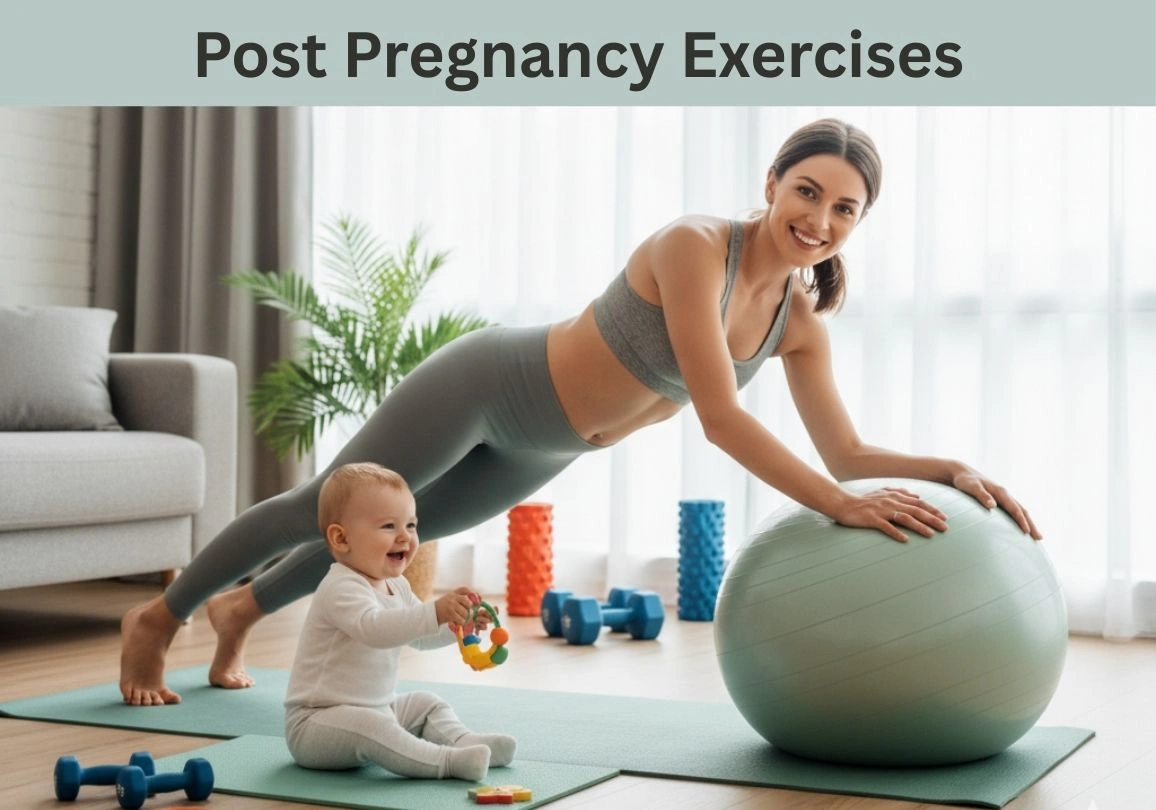
Post-Pregnancy Exercise: Effective Ways to Regain Strength and Tone Your Body
Becoming a mother is one of life’s most transformative experiences, but it also brings significant physical changes to your body. After giving birth, many women wonder when and how they can safely return to exercise to regain their strength, energy, and pre-pregnancy fitness levels. Post-pregnancy exercise isn’t just about aesthetics—it’s about rebuilding core strength, improving mental health, and supporting your body’s recovery during this demanding phase of life.
This comprehensive guide will walk you through everything you need to know about postpartum fitness, from understanding when it’s safe to start exercising to discovering the most effective workouts for new mothers. Whether you’re dealing with diastasis recti, pelvic floor weakness, or simply feeling exhausted from sleepless nights, we’ll provide medically accurate, practical advice to help you safely rebuild your strength and feel like yourself again.
Understanding Your Postpartum Body
Before diving into any exercise routine after pregnancy, it’s crucial to understand what your body has been through and how it needs time to heal.
Physical Changes After Childbirth
Pregnancy and childbirth cause profound changes to your body, including:
- Abdominal muscle separation (diastasis recti) affecting up to 60% of postpartum women
- Pelvic floor weakness from the weight of pregnancy and the birthing process
- Joint laxity due to hormones like relaxin that remain elevated for months
- Cardiovascular deconditioning from reduced activity during late pregnancy
- Posture changes from carrying and nursing your baby
These changes mean that your post-pregnancy body requires a thoughtful, gradual approach to exercise rather than jumping back into your pre-pregnancy routine.
When Can You Start Exercising After Delivery?
The timeline for returning to postpartum exercise varies depending on your delivery type and any complications:
- For vaginal deliveries without complications: Most healthcare providers clear women to begin gentle exercise within 1-2 weeks after delivery, with more intensive workouts approved at the 6-week postpartum checkup.
- For cesarean deliveries: Since a C-section is major abdominal surgery, most doctors recommend waiting until after your 6-week checkup before starting any structured exercise program. Gentle walking can typically begin within the first week, as tolerated.
Always consult your healthcare provider before beginning any exercise program after childbirth to ensure you’re healing properly and ready for physical activity.
Essential Postpartum Exercises for New Mothers
Pelvic Floor Exercises: Your Foundation
Pelvic floor exercises, also known as Kegel exercises, should be the cornerstone of your postpartum recovery. These muscles support your bladder, bowel, and uterus, and they’re significantly weakened during pregnancy and delivery.
How to perform pelvic floor exercises:
- Identify the muscles by stopping urination midstream (only do this once to identify the muscles, not as regular practice)
- Squeeze and lift these muscles for 5-10 seconds
- Relax completely for 5-10 seconds
- Repeat 10-15 times, three times daily
Start these exercises within the first few days after delivery, regardless of delivery type. Strengthening your pelvic floor helps prevent urinary incontinence, supports core recovery, and can improve intimate wellness.

Core Strengthening After Pregnancy
Core strengthening exercises are vital for postpartum fitness, but traditional crunches and sit-ups should be avoided until you’ve been assessed for diastasis recti and your healthcare provider has cleared you.
Safe core exercises for new mothers:
- Pelvic tilts: Lying on your back with knees bent, gently tilt your pelvis to flatten your lower back against the floor
- Heel slides: From the same position, slowly slide one heel away from your body while maintaining a stable core
- Modified planks: Begin with wall planks or incline planks before progressing to floor planks
- Transverse abdominal breathing: Draw your belly button toward your spine while breathing normally
These abdominal exercises after delivery help rebuild deep core stability without putting excessive pressure on healing abdominal muscles.
Cardiovascular Exercise for Postpartum Recovery
Cardiovascular exercise is excellent for boosting energy, improving mood, and supporting weight management during the postpartum period.
Walking: The Perfect Starting Point
Walking is the ideal first postpartum workout because it’s low-impact, accessible, and can be done with your baby. Start with short 10-15 minute walks and gradually increase duration and intensity as your stamina improves.
Benefits of walking after pregnancy:
- Promotes healing and circulation
- Reduces risk of blood clots
- Improves mental health and reduces postpartum depression risk
- Can be done with your baby in a stroller for bonding time
Progressing Your Cardio Routine
As you regain strength, you can incorporate:
- Brisk walking or power walking with intervals
- Swimming (once postpartum bleeding has stopped and any stitches have healed)
- Cycling on a stationary bike
- Low-impact aerobics or dance-based workouts
Avoid high-impact activities like running or jumping until you’ve rebuilt adequate pelvic floor and core strength, typically 3-6 months postpartum for most women.
Strength Training for New Mothers
Strength training exercises help rebuild muscle lost during pregnancy, improve bone density, and increase metabolism—all beneficial for busy new mothers.
Upper Body Exercises
Sleep-deprived nights and constant baby-carrying can cause upper body tension and weakness. Focus on:
- Modified push-ups (wall or incline versions initially)
- Resistance band rows to strengthen upper back
- Shoulder presses with light weights
- Bicep curls to support baby-carrying endurance
Lower Body Exercises
Lower body strengthening supports daily activities like squatting to pick up your baby and climbing stairs.
- Bodyweight squats: Rebuild leg and glute strength
- Lunges: Start with stationary lunges before progressing to walking lunges
- Glute bridges: Excellent for rebuilding glute strength and supporting lower back health
- Wall sits: Build endurance in thigh muscles
Start with bodyweight exercises and gradually add resistance as your strength improves. Aim for 2-3 strength training sessions per week, allowing rest days between workouts.
Specialized Postpartum Fitness Programs
Postnatal Yoga
Postnatal yoga offers numerous benefits for new mothers, including improved flexibility, stress reduction, and mindful movement that honors your healing body.
Look for classes specifically designed for postpartum women that avoid:
- Deep twists that strain healing abdominal muscles
- Intense core work before diastasis recti assessment
- Inversions until your body has fully recovered
Pilates for Postpartum Recovery
Postpartum Pilates focuses on core stability, alignment, and controlled movement—perfect for rebuilding strength after pregnancy. Many Pilates exercises emphasize the deep transverse abdominal muscles and pelvic floor, making it ideal for postnatal fitness.
Work with a certified instructor experienced in postpartum modifications to ensure exercises are appropriate for your recovery stage.
Important Considerations for Postpartum Exercise
Warning Signs to Stop Exercising
Discontinue exercise and contact your healthcare provider if you experience:
- Increased vaginal bleeding or bright red blood
- Severe abdominal or pelvic pain
- Urinary or fecal incontinence during exercise
- Feeling of heaviness or bulging in the vaginal area (possible prolapse)
- Dizziness, chest pain, or difficulty breathing
Nutrition and Hydration
Postpartum nutrition is crucial, especially if you’re breastfeeding. Ensure you’re:
- Consuming adequate calories (typically 300-500 extra calories daily if breastfeeding)
- Staying well-hydrated before, during, and after exercise
- Eating protein-rich foods to support muscle recovery
- Not restricting calories excessively, which can impact milk supply and energy levels
Managing Fatigue and Realistic Expectations
Be kind to yourself. Post-pregnancy fitness isn’t about quickly “bouncing back”—it’s about gradually rebuilding strength while caring for a newborn.
Practical tips for tired new mothers:
- Exercise in short 10-15 minute sessions if needed
- Move when your baby sleeps rather than forcing scheduled workout times
- Celebrate small victories and progress, not perfection
- Remember that your body took nine months to change; give it time to recover
Creating Your Postpartum Exercise Plan
A balanced postpartum workout routine should include:
Weeks 0-6: Focus on gentle pelvic floor exercises, breathing exercises, and short walks as approved by your healthcare provider.
Weeks 6-12: After medical clearance, gradually add core strengthening, light resistance training, and longer walking sessions.
Months 3-6: Progress to more challenging exercises, including moderate-intensity cardio, full-body strength training, and flexibility work.
6+ months: With proper progression and no complications, most women can return to their pre-pregnancy exercise intensity, including high-impact activities.
Key Takeaways
- Post-pregnancy exercise should begin gradually, with medical clearance from your healthcare provider before starting any structured program
- Pelvic floor exercises are essential for all postpartum women and should begin within days of delivery
- Walking is the ideal starting point for cardiovascular exercise and can be done with your baby
- Core strengthening requires modifications to avoid worsening diastasis recti or pelvic floor dysfunction
- Strength training exercises help rebuild muscle, support daily activities, and boost metabolism
- Listen to your body and watch for warning signs that indicate you need to reduce intensity or seek medical advice
- Postpartum fitness is a journey, not a race—focus on gradual progression and celebrate your body’s incredible strength
Frequently Asked Questions
Q: Will exercising make my C-section scar worse or cause it to open?
A: If your C-section incision has fully healed (typically 6-8 weeks), gentle exercise won’t damage your scar. However, avoid exercises that create a pulling sensation across your abdomen initially. Start with low-impact activities and gradually progress. Massaging your scar once healed can improve flexibility and reduce adhesions. If you notice redness, warmth, or discharge from your scar during exercise, stop immediately and contact your doctor.
Q: I have back pain from carrying my baby—which exercises help the most?
A: Focus on exercises that strengthen your core and upper back while stretching tight chest muscles. Try wall angels, band rows, and cat-cow stretches. Also check your nursing and baby-carrying posture—many new mothers develop rounded shoulders and forward head position. Strengthen your glutes with bridges, as weak glutes often contribute to lower back pain. A physical therapist can assess your specific pain pattern and provide targeted exercises.
Q: Can exercise help with postpartum depression or anxiety?
A: Yes, research shows that regular physical activity can significantly improve postpartum mood disorders. Even 20-30 minutes of moderate exercise 3-4 times weekly can reduce depression and anxiety symptoms. Exercise releases endorphins, improves sleep quality, and provides time for self-care. However, exercise should complement—not replace—professional treatment. If you’re struggling with postpartum depression or anxiety, speak with your healthcare provider about a comprehensive treatment plan.
Q: Why do my joints feel loose and unstable when I exercise postpartum?
A: The hormone relaxin, which loosens ligaments during pregnancy, can remain elevated for 3-6 months postpartum (longer if breastfeeding). This causes increased joint laxity and potential instability. Avoid overstretching, focus on controlled movements, and strengthen the muscles around your joints. Skip yoga poses that push your flexibility limits and be cautious with exercises requiring balance until your joints stabilize. This improves gradually as hormone levels normalize.
Q: How do I know if I’m pushing too hard too soon after delivery?
A: Your body will give you clear signals. Stop and scale back if you experience increased bleeding, pain that doesn’t resolve with rest, extreme fatigue that lasts more than a day, or inability to perform daily activities after exercising. Good fatigue feels energizing and resolves with rest; bad fatigue leaves you depleted and interferes with caring for your baby. Progress should feel gradual and sustainable, not exhausting or painful.

Leave a Reply